
How to Incorporate Dental 3D Printing Successfully in Your Practice in 2026
Auckland, Sep 04 | 6:00 PM to 9:00 PM
SOLD OUT
Sydney, Nov 20 | 6:00 PM to 9:00 PM
3 Hours of CPD Points
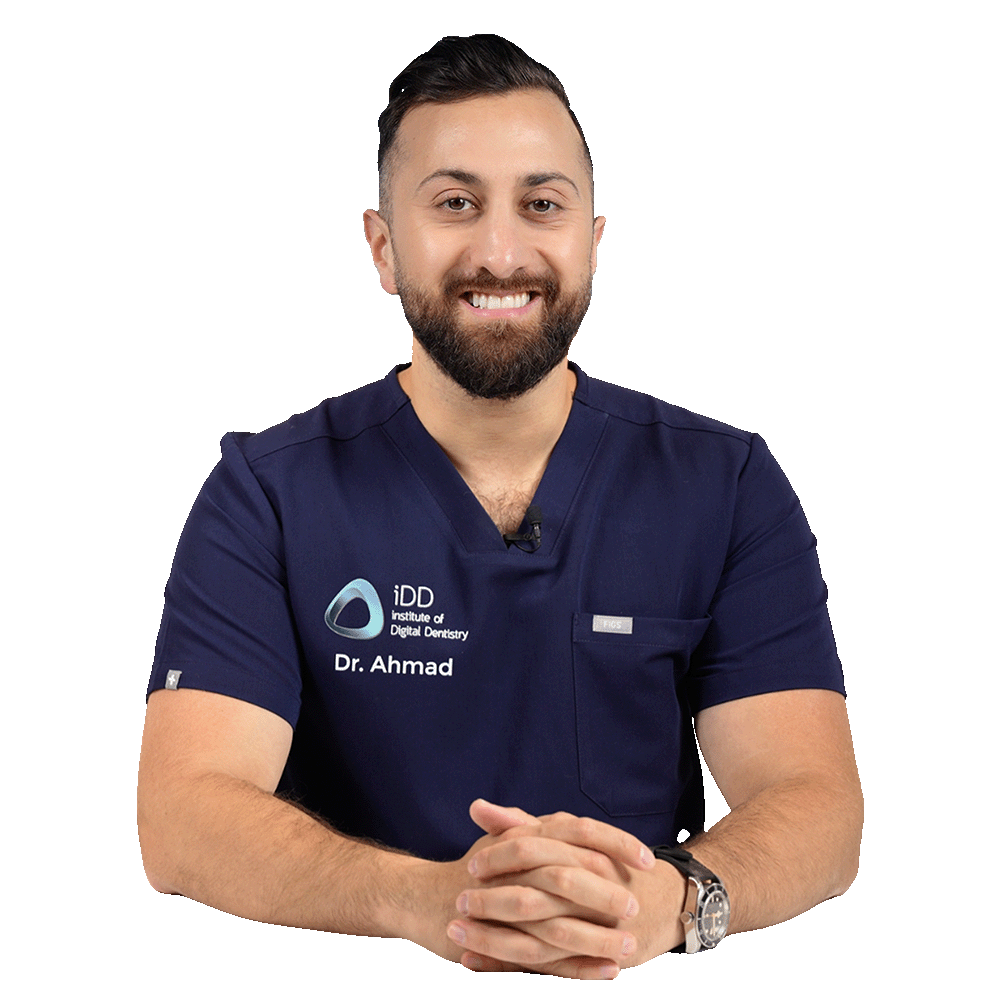
Presented by | Dr Ahmad Al-Hassiny
Founder of The Institute of Digital Dentistry
Digital Dentistry in 2026 - What Works, What Doesn't, and What's Next
Digital dentistry is evolving rapidly, and 3D printing has become an essential component of modern clinical practice. Join internationally recognized digital dentistry educator Dr. Ahmad Al-Hassiny for an exclusive hands-on course designed to provide practical, evidence-based training in the complete digital workflow - from intraoral scanning and treatment planning to designing, printing, and post-processing clinical applications.
What you will learn
- Develop a complete understanding of the digital workflow from scan to final printed appliance.
- Identify the clinical applications that provide the greatest value, including surgical guides, splints, models, provisionals, dentures and more.
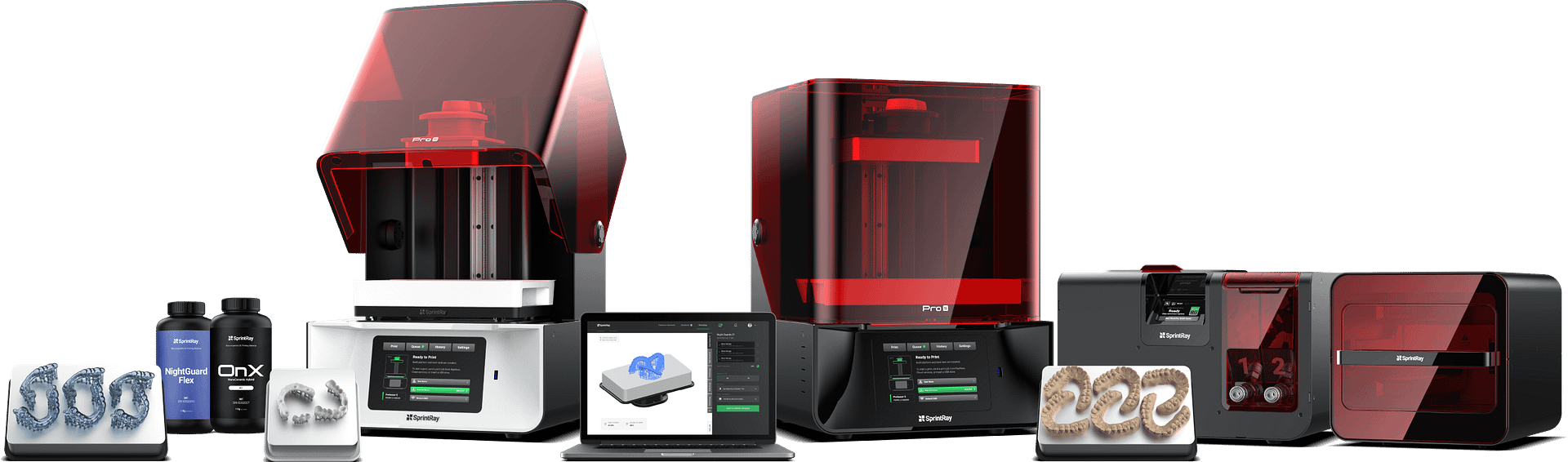
- Select the right hardware, software, materials, and workflows to ensure predictable clinical outcomes.
- Improve efficiency, reduce lab bills, and streamline treatment delivery.
- Explore how AI and digital technologies are shaping the future of restorative and implant dentistry.
A Practical, Hands-On Learning Experience
This is an independent educational program focused on real-world clinical workflows and practical implementation. Through live demonstrations and guided hands-on exercises, participants will gain the confidence to integrate digital dentistry into practice immediately.
How to Incorporate Dental 3D Printing Successfully in Your Practice in 2026
The Printers, Materials, Scanners, and Digital Workflows Worth Your Attention
Two cities. Two evenings. Limited seats.
EARLY BIRD: $199 AUD/NZD + GST
Normal Price: $299


In three hours, you'll walk away with a clear picture of exactly which technologies deserve your attention in 2026, which ones aren't ready yet, and what your next practical step should be for your practice.
Here's what your ticket includes:
1) Three hours of focused digital dentistry education
2) Honest assessments of dental 3D printers, materials, scanners and clinical workflows
3) A practical breakdown of what clinics are actually printing today
4) Direct Q&A with Dr Ahmad Al-Hassiny throughout the evening
5) Dinner included
6) 3 hours of CE credits
7) Networking with other leading dentists
8) Live demonstrations of dental 3D printing workflows available throughout the evening
9) Exclusive event offers for all attendees
10) The clarity to stop researching and start making confident decisions
After registering, you'll receive a confirmation email with the venue address, parking details, and everything you need for the evening. If your plans change, you can transfer your registration to a colleague at no charge.
"I am naturally a little bit cynical sometimes. You get these dentists that promote themselves as being experts and gurus, and it's all over Instagram. So I'm naturally a little bit skeptical. But actually this course massively exceeded my expectations. Ahmad really knows his stuff, he is absolutely on it, and he's enthusiastic, and that really is quite infectious."
Dr Ian Hedley
General Dentist, Sydney, Australia
Explore the Technologies That Are Shaping
the Future of Chairside Dentistry
The Institute of Digital Dentistry is bringing its live education to dentists who want a clearer, more practical understanding of dental 3D printing and digital workflows. The Future of Dentistry is a focused three-hour evening course where I'll walk you through the technologies that matter most in 2026:
What actually works.
What's still developing.
What's worth your attention.
And what you can safely ignore for now.
This event has a special focus on dental 3D printing and workflows, while also showing how scanners, CAD software, and digital workflows all connect together.
This isn't just a product launch or a generic manufacturer demo night. It is practical education designed to help you understand where printing fits in modern dentistry, what it can realistically do for your practice, and how to make better decisions before investing.
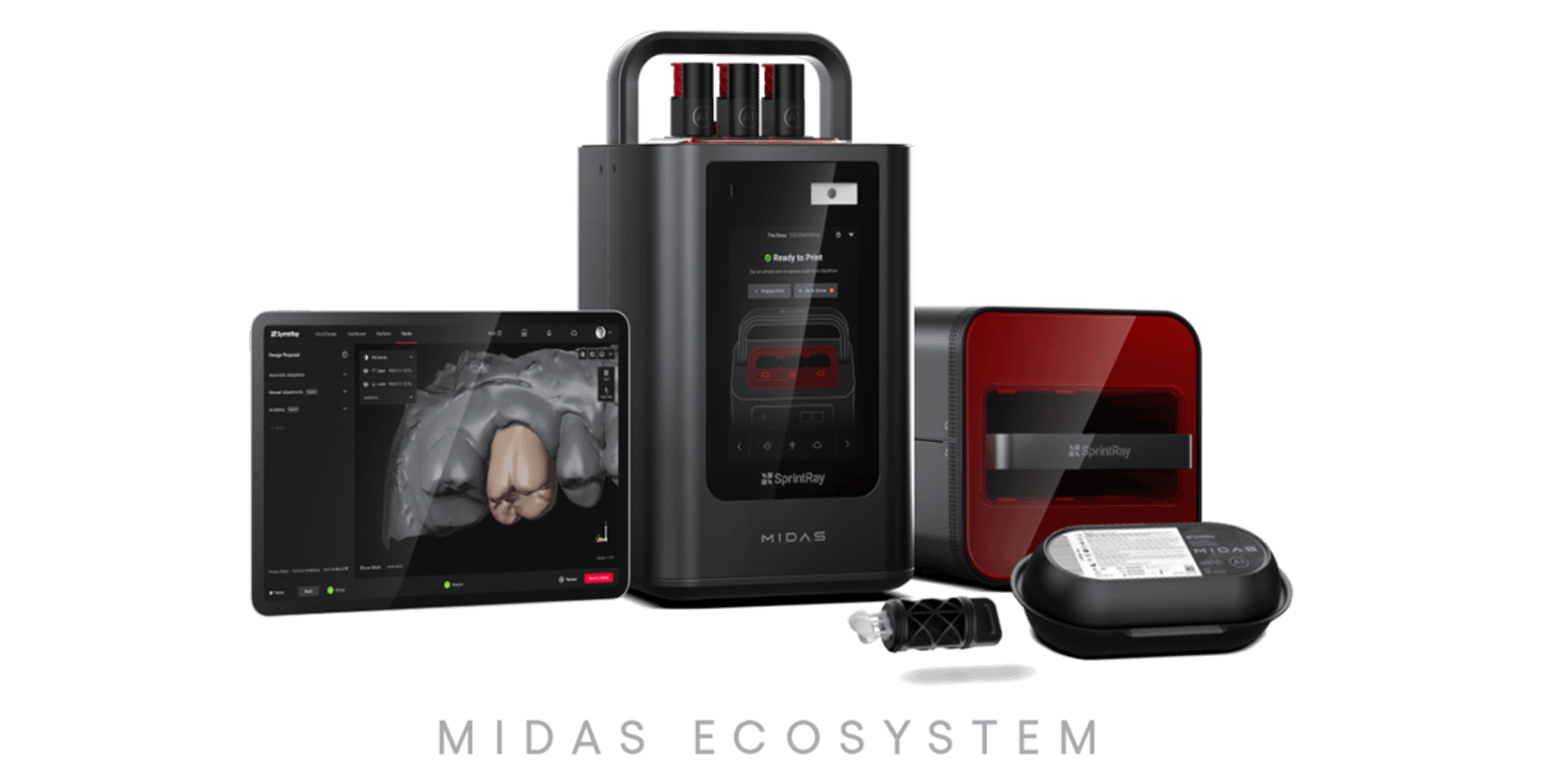
This event is supported by SprintRay, one of the leading innovators in dentistry. Throughout the evening, you'll have the opportunity to see their latest products in action, while also learning how dental 3D printing fits within the broader digital dentistry landscape.
What You'll Walk Away With
This event is structured around four focused topics, each covering a different part of the modern digital workflow.
By the end of the evening, you'll have a clear picture of where dental 3D printing stands today, what it can realistically do for your practice, and how it connects with scanning, CAD software and clinical dentistry.
Dental 3D Printing in the Clinic
Dental 3D printing has matured significantly, but it is still not straightforward.
This topic covers what dental clinics are actually printing today, what the realistic opportunities are, and where the limitations still sit.
If you're considering adding a printer to your practice, or if you already own one but are not using it to its full potential, this section will help you understand what is worth doing now and what is still developing.
You'll learn:
What dental clinics are currently printing, including models, surgical guides, splints, dentures, provisionals and restorations
The real opportunities and limitations of chairside printing in 2026
Which applications make the most clinical and financial sense
Where dental 3D printing is heading next
How to decide whether printing belongs in your practice
Choosing the Right Dental 3D Printer
Not all dental 3D printers are the same.
Speed, accuracy, software, materials, post-processing, validation, support and ecosystem all matter. The challenge is knowing which of these factors actually impacts your day-to-day clinical results, and which are just marketing points.
This section gives you a practical framework for evaluating dental printers properly.
You'll learn:
What actually matters when choosing a dental 3D printer
The difference between printer specs and real-world clinical performance
How to compare open vs closed ecosystems
Why materials and post-processing are just as important as the printer itself
How to think about cost, ROI and implementation
Materials, Applications and Chairside Workflows
A dental printer is only as useful as the workflow around it.
The biggest mistake dentists make is buying a printer without understanding what they will actually print, how often they will print it, who will manage the workflow, and how the printed appliance or restoration will be finished and delivered.
This topic covers the clinical applications that matter most.
You'll learn:
Which printed applications are most predictable today
How to think about models, guides, splints, dentures and restorations
What is realistic for a general dental clinic
What still requires careful case selection
How post-processing impacts accuracy, strength and final results
How to avoid buying equipment that sits unused
How Scanners Fit Into the Printing Workflow
Even though this event focuses heavily on printing, scanning still matters.
Your scanner is the starting point for almost every digital workflow. The quality of your scan affects your design, your printed output, and ultimately the clinical result.
This section explains how scanners and printers work together in the real world.
You'll learn:
How scan quality impacts printed models, splints, guides and restorations
What scanner features actually matter for printing workflows
How to move from scan to design to print
How to build a complete digital workflow without overcomplicating your practice
"I'm fortunate. I've got three scanners in my practice. I've already got a printer. But even for me, there were lots of little tips and tricks and things we're going to change that we can implement. Many who were here were just starting out in this field and he was able to cover everything in the range for all of us."
Dr Craig Duval
General Dentist, Brisbane, Australia
Why This Event?
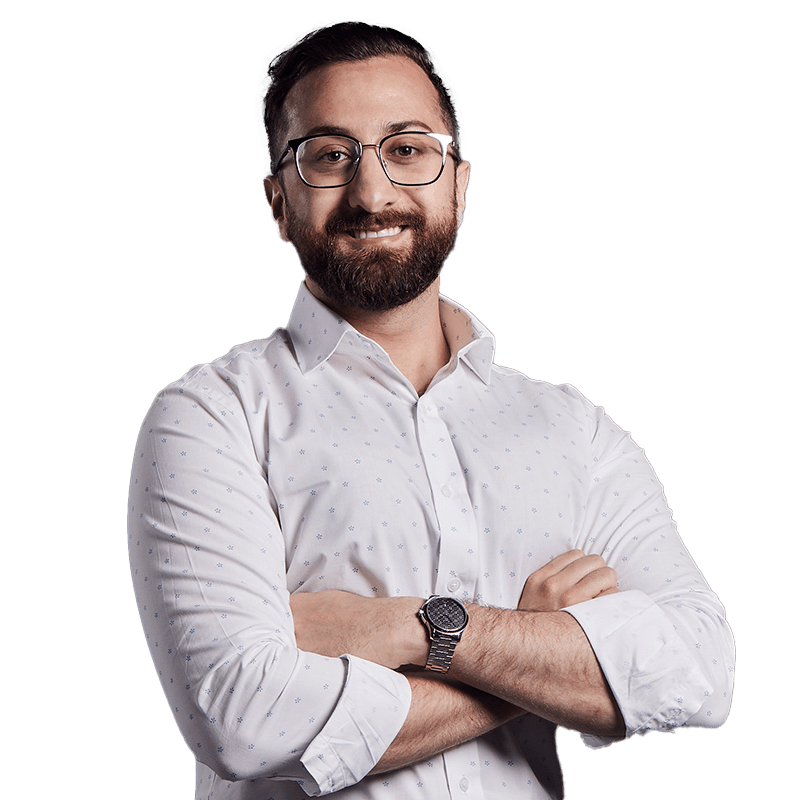
Dr Ahmad Al-Hassiny
Global Leader in Digital Dentistry & IOS
Industry KOL | Full-Time Private Dentst in NZ | International Lecturer
My name is Dr. Ahmad Al-Hassiny. I'm the founder of the Institute of Digital Dentistry and one of the most widely consulted voices in digital dentistry.
I've personally tested and reviewed more than 15 dental 3D printers and basically every intraoral scanner on the market. I've been evaluating digital dental technologies for 10 years. Over 60,000 dentists worldwide have learned from iDD's courses and content.
Here's what makes iDD different from most dental education providers. I still work as a full-time private dentist. We run a successful 43-operatory business in NZ and a digital lab. I know the pain points and what really works in a real clinic.
That gives us a broad view of the market, rather than a narrow opinion based on a single product or brand. You'll get my honest assessment, not just a sales pitch.
I've delivered events like this in Australia and internationally, covering scanning, 3D printing, and digital workflows, and the feedback from attending dentists motivated me to keep bringing this education to more clinicians. Seats are limited, and once the dates pass, they're gone.
If you've been on the fence about dental 3D printing, or you're already printing and want to get more out of your investment, this is your evening.
I look forward to seeing you there.
"I knew what the way to go was"
"When we're talking about digital dentistry, it can be very overwhelming. You can spend hours doing your research about what's the best printer to buy, what's the best scanner to use. I'm leaving very happy because Ahmad gave us basically all the tips that we need to take into account when we make the final step to invest.
We all know it is a big investment and sometimes we don't know if it's the right thing to do. But I'm convinced that with this course, I know already what's the way to go and I'm looking forward to getting to this new era of dentistry."
Dr Gus Zamora
General Dentist, Sydney, Australia
"One of two courses in the last 10 years that have changed my life"
"I got dragged into digital dentistry kicking and screaming. I bought a scanner and just about threw it out the window in the first week. My office manager found this course and I thought, why not? I've already invested this much.
I've been in practice for 32 and a half years. I've gone to two courses in the last 10 years that have changed my practice life. This is one of them.
I came here without a clue how to use this new expensive scanner, and I'm leaving thinking I probably should have just paid for the one day, because I know it all now. It was absolutely fantastic. Anybody who has a scanner should be doing this course, full stop."
Dr Jeffrey Field
General Dentist, Portland, Victoria, Australia (32 years in practice)
"He gives it to you direct with no BS"
"He gives it to you direct with no BS. And same thing with the printers.
I've got three scanners in my practice. I've already got a printer. But even for me, there were lots of little tips and tricks we can implement. The course is great for beginners, but also excellent for those who already have some of the digital dentistry equipment and are using it. Because it is a journey, and you want to keep getting better.
He's got an incredible knowledge in the area, and that was demonstrated by being able to answer questions well, give great examples, and he really made the day fun and educational."
Dr Craig Duval
General Dentist, Brisbane, Australia
"It made something that looked foreign look like something that's achievable."
Dr. Joseph Lattouf, General Dentist, Sydney
"Even though I've been doing this for quite some time, someone with Ahmad's calibre will always be a great wealth of knowledge."
Dr. Hani Shafik, General Dentist, Sydney and Melbourne (7+ years in digital dentistry)
"iDD's lecture programs are leading the market, particularly with all the information and comparison points across all the different scanners and printers."
Dr. Luke Cronin, Clinical Advisor, IQ Active Aligners, Brisbane
"This is the future of dentistry. And when we say future, I don't think it's 10 or 15 years. I believe it's the next five. Jump in before everyone else does."
Dr. Joseph Lattouf, General Dentist, Sydney
"Just go in and do it. We all sit on the fence and think we can learn everything by YouTube or Dr. Google. Just go out and talk to people that really know what they're doing."
Dr. Andrew Baderski, General Dentist, Sydney (38 years in practice)