
Predictable Soft Tissue Surgery
Master Multiple Techniques Through Learning Loops – The Science-Backed Alternative to Weekend Intensives
With Dr. Fadi Hasan, DDS, MSD
Board Certified Periodontist | VCU Faculty | 300+ Live Course Graduates

You're Leaving $36,000-$150,000 On The Table Every Year
Let me guess:
You see a recession in patient hygiene recalls.
Your patients ask about "gum restoration" after seeing it on Instagram.
You know you should offer soft tissue treatment, but you either:
- Refer it all out (and watch the revenue leave), or
- Patch it with restorative fillings (and watch it get worse)
Maybe you place implants. Maybe you don't. Either way, you're leaving $36,000-$150,000 on the table every year in soft tissue cases.
But when a patient presents with recession, thin tissue around an implant, or inadequate keratinized tissue... you refer it out.
Here's what that costs you:
2-3 soft tissue cases per month
Average fee per case: $1,500 - $2,500
Annual revenue walking out your door
$36,000-$90,000
Calculate just 2-3 soft tissue cases per month at an average fee of $1,500-2,500. That's $36,000-$90,000 in annual revenue walking out your door. For more complex cases or multiple sites? Easily $150,000+ per year.
But the real cost isn't just the money.
The Wednesday Morning That Changes Everything
It's Wednesday morning. New patient exam. 38-year-old professional, meticulous hygiene, whitens religiously.
She points to her lower canine. "This tooth looks longer than the others. My dentist said to watch it. But it's getting worse, and now it's sensitive."
You see 4mm of recession. Miller Class I. Textbook graftable case.
She asks, "Can you fix it?"
You hesitate. You've never done a gum graft.
"I'll refer you to a specialist."
Her face falls. She wanted this handled today, by you, her new dentist.
Instead, she'll wait 6 weeks for a perio appointment, pay a $350 consult fee, then schedule surgery for 8 weeks after that.
Three months for a procedure you could have done in an hour, if you had the training.
That case? $1,800-2,500 that just walked out your door.
Multiply by 10-15 similar cases per year, and you've found your $36,000.
You have three options:
1. Refer to a periodontist
Admit you can't manage this. Watch her face change as she realizes the implant she trusted you to place now requires someone else to save. Hope they can fix what you couldn't prevent.
2. Attempt treatment yourself
With no soft tissue training, no technique knowledge, no clinical judgment developed through systematic practice. Risk making it worse. Risk losing the implant entirely.
3. Do nothing and monitor
The worst option. Watch it progress. Document your way toward the inevitable lawsuit.
This isn't a hypothetical. This is happening in your practice right now.
The Ugly Truth The CE Industry Won't Tell You
The dental continuing education industry has built a $4,500-per-weekend empire on a model that contradicts 40 years of neuroscience research.
Weekend Intensives Have Poor Recall.
Here's what they won't tell you at those celebrity instructor courses:
Massed learning (cramming) produces 46% worse retention than spaced repetition.
That's not opinion, that's published neuroscience research with measurable effect sizes.
Yet the industry keeps selling you the same model:
- Fly to a city Friday afternoon
- Cram 16 hours of content into 2 days
- Practice each technique once on a pig jaw
- Fly home Sunday night "certified"
- Many never implement
Why does this model persist?
Because it's profitable. A celebrity periodontist can teach 40 dentists in a weekend, charge $4,500 each, gross $180,000, and repeat it 10 times per year.
The model isn't built for your success. It's built for their revenue.
"There is no single technique that can be applied to all soft tissue cases."
There is no one-size-fits-all approach to soft tissue.
Here's something that drives me crazy: Most soft tissue courses teach ONE technique.
The tunnel technique course. The VISTA course. The CAF course.
They teach you their instructor's preferred/known method and send you home to force that square peg into every round hole you encounter.
This creates pattern rigidity.
You learn to do a modified CAF, so you try to use modified CAF on every recession case, even when the tissue biotype is wrong, the papilla width doesn't support it, or the defect classification demands a different approach.
When the technique doesn't match the clinical presentation, you freeze. Analysis paralysis. You refer it out.
Real clinical competence means knowing 5+ techniques and understanding when each applies.
The moment you numb a patient up, the entire soft tissue landscape changes. The solution you planned in your head? It might not work anymore. You need options. You need clinical judgment.
That's why my assistants never know what technique I'll use until I start the surgery. Because I'm responding to what the tissue tells me, not forcing a memorized pattern onto every case.

How I Went From Hating Perio To Training 300+ Dentists
I need to be honest with you: I used to hate periodontology.
Not just dislike it, I genuinely hated it.
In dental school in Iraq: Failed it. In dental school in the US: Still one of my worst subjects. I tried so hard to understand it. "This subject is following me from Iraq to the States, and I can't get it in my head."
I wanted to be an endodontist. I had already applied to 7-8 programs.
Then Dr. Mike Kenter changed everything.
This faculty member, God rest his soul, decided to do something radical. He started a non-credited, after-hours perio study club. For students who wanted to learn more.
No one told him to do it. The school didn't support it. He did it because he wanted to give back.
We started with 25 students. By summer's end: 10. By end of year: 5.
But those 5? All became periodontists. All incredibly successful.
Dr. Kenter would bring in local periodontists to show us real private practice cases. Not textbook presentations, actual complications, aesthetic challenges, revision surgeries. He taught us that there's no "one right way."
That's when I fell in love with soft tissue.
My First Soft Tissue Case Was A Disaster!
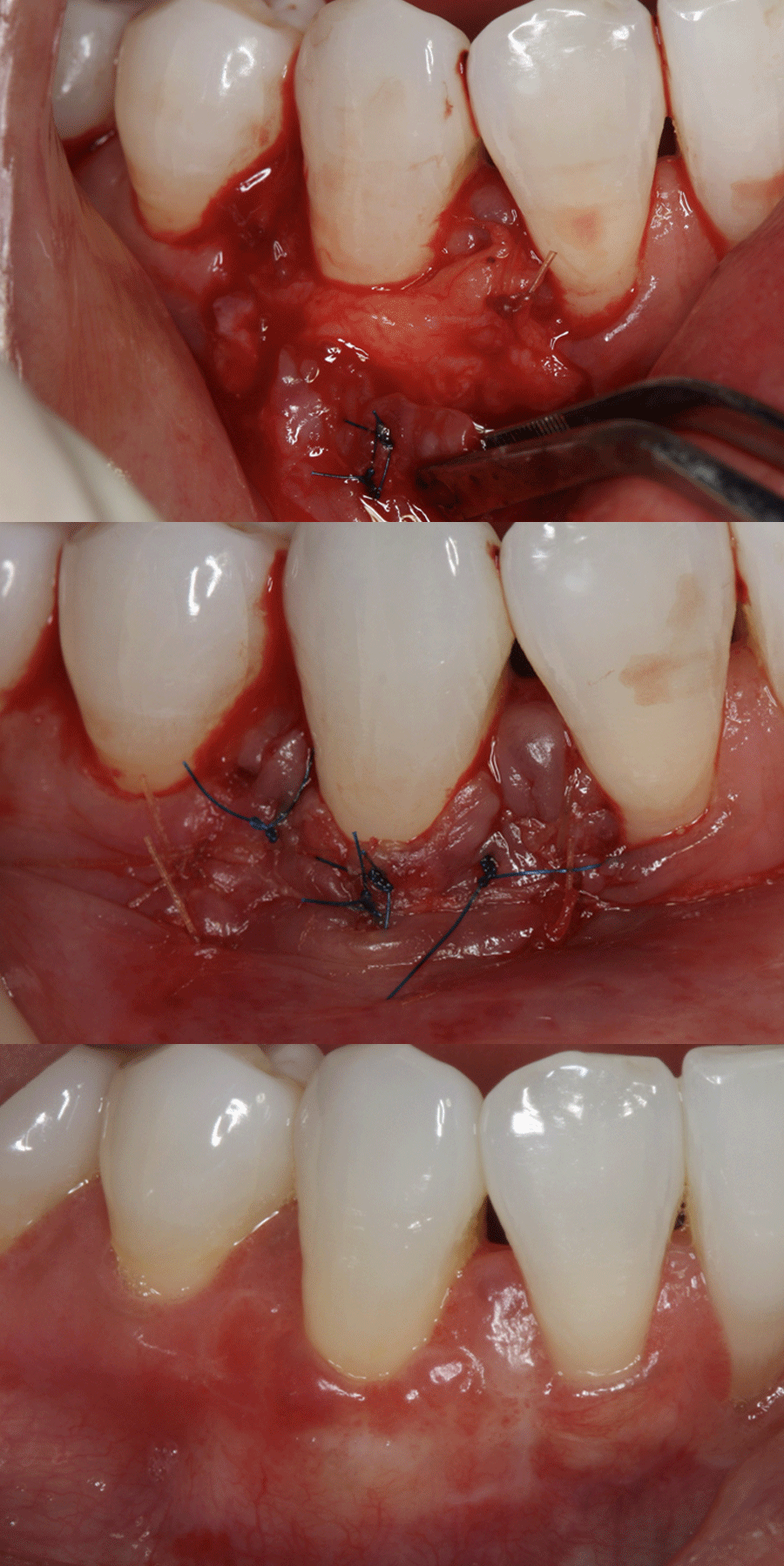
I'll never forget my first gum graft as a resident. A canine recession. Faculty gave me "basic of the basic" instruction.
I didn't understand what he was talking about. I had no real mentorship on how to execute it cleanly.
When I finished, it looked messy. The healing was disorganized, bulky. Nothing that screamed finesse.
That failure stuck with me.
For the first two years of residency, I felt like I was really lacking in soft tissue knowledge. Our program was heavily focused on bone grafting, implants, sinus lifts, but soft tissue was never a strong pursuit.
Honestly? Most periodontal residencies still don't emphasize soft tissue mastery.
COVID Changed Everything
I learned one technique in residency. Then I took Pat Allen's tunnel course, now I had two techniques. Then I taught myself VISTA, three techniques. But I was still just doing the same patterns over and over.
Then COVID forced everyone to sit down.
Social media exploded. Instagram became the window into what elite periodontists around the world were actually doing. I started having conversations with periodontists internationally, people doing things at levels I'd never seen in the US.
I started traveling. Brazil, Europe. Learning VIP CTG, tuberosity grafts, advanced suturing techniques, the intricate details of finesse.
That's when I realized: Most US courses are teaching techniques that are 5-10 years behind what's happening internationally.
The celebrity instructor model focuses on name recognition, not actual teaching ability or technique diversity.
I decided to do something different.
Why I Started Teaching Differently
Between me and my colleague Dmitri, we noticed something: We kept seeing dentists who'd taken weekend intensives, spent $4,500, practiced on pig jaws... and never implemented.
A very high non-implementation rate.
They'd email weeks later: "I had a perfect case but couldn't remember which technique to use." "The patient presentation didn't match what we practiced." "I need to see you do it one more time."
The weekend intensive format contradicts everything neuroscience teaches about skill acquisition.
So we built something different for our live courses:
Multiple techniques. Spaced practice over three days. Hands-on typodont work. Real case discussions.
Over 300 dentists have completed our live Perio Amigos courses.
Now I'm taking everything I've learned from teaching those live courses and building the definitive online implementation system, one that uses spaced repetition, many practice opportunities, and ongoing mentorship to ensure you don't become another non-implementation statistic.
This isn't a weekend intensive that has been moved online. This is the scientifically superior alternative the industry doesn't want you to know exists.
The Problem Is Actually Three Problems
Problem 1: You're Placing Implants Without Understanding The Foundation
Let me ask you something:
How many of you are placing implants? (Pretty much everyone raises their hand at courses)
How many have placed implants for 5+ years? (About 75%)
How many do anterior implants? (Maybe 20%)
How many do posterior implants? (Almost everyone)
For those who've done posterior implants for 5+ years: How many have seen your own implants develop thin tissue, recession, or food entrapment?
Every. Single. Hand. Goes. Up.
So why haven't you thought about gum grafting? "No one told us. No one taught us. They just taught us to pack bone and place an implant."
Here's the uncomfortable truth:
If you don't understand soft tissue biology around an implant, you shouldn't be placing implants.
All implants, whether we like it or not, need adequate soft tissue. You have no problem placing implants and doing bone grafts, but none of you will touch a recession on a tooth.
Fixing recession on a tooth is easier than fixing recession on an implant.
Why? Because teeth have blood supply. Implants don't. If you screw up a gum graft on an implant, the failure is catastrophically worse. You might expose entire threads. You might lose papilla 100%. That's not easy to fix.
A tooth has interdental bone, supracrestal fibers, biological rebound potential. The body regenerates some of it naturally.
You need to master teeth before you master implants.
Yet dentists graduate, immediately take Zygomatic courses, and they can't even reflect a flap. They've never held a suture in their life.
I was in Brazil teaching. Two attendees talked about doing full arches every day. One woman, supposedly doing it for 10 years, took five times longer than anyone else to complete a full arch. When she finished suturing, she placed three sutures and walked away.
The patient was bleeding from everywhere. Tissue was open. Three sutures on a full arch.
I had to close it myself. She left that course and immediately went to a Zygomatic course the next day.
She can't even suture a standard all-on-four, but she's learning Zygos.
This is the state of surgical education in dentistry.
Problem 2: You're Patching Instead Of Treating
A lawyer came into my office two weeks ago. Her mother is a hygienist.
"Don't be upset with me," she said. "I had recession here. It was so sensitive. My dentist told me to get a filling."
I looked at it. The filling was disgusting. Hideous.
"What about a gum graft?" I asked.
"Yeah, my mom told me I should get a gum graft. But I decided to do a filling instead."
Her mother, sitting right there in the consult room, nodded. "I told her to get a gum graft."
Here's what I told her:
"The first step is I'm gonna pop that filling off. Because that is making things worse. This filling isn't helping. You're gonna lose your tooth if you keep this."
She spent $100 on a filling that I removed in my first appointment.
This is happening in dental offices across America every single day.
Dentists have trained their patients to accept patchwork. They've conditioned them that insurance-driven Band-Aids are acceptable.
You know what would have been better? A $1,500-2,500 gum graft that:
- Provides 10x more profit than a filling
- Solves the problem long-term
- Gives the patient better outcomes
- Doesn't require replacement in 3-5 years
But it's not taught. It's not emphasized. So dentists refer it out, or worse, they patch it.
Problem 3: You're Losing Patients To Implant Complications You Could Have Prevented
I'm known in my area as the "go-to fixer" for soft tissue complications.
I have patients who've had 3-4 gum grafts before they see me. They've been to multiple periodontists. Nothing worked.
"My dentist told me no one can fix it but you," they tell me. "I've seen three periodontists and they all tried. Nothing worked."
Here's what I wish they understood:
It would be nice if your dentist had sent you to me first, before three failed attempts traumatized the tissue and made my job ten times harder.
I just had a patient drive from New Jersey. "There's a million perios between here and New Jersey," I said.
"I follow you on Instagram," she said. "I know you can do it because you're the only one I saw that can do it."
She drove down the night before. Booked a hotel. Came to see me the next morning.
No pressure, right?
These stories are flattering, but they're also tragic.
Because most of these complications were preventable. If the GP who placed the implant understood soft tissue, we wouldn't be here.
If the first periodontist they saw knew more than one technique, we wouldn't be here.
The CE industry created this problem. Because they're teaching single techniques in weekend formats that don't work.
Why Everything You've Been Taught About Learning Surgery Is Wrong
The Science Says Otherwise:
Cepeda et al. (2006) meta-analysis of 317 studies: Spaced repetition produces 46% better retention than massed learning (d = 0.46).
That's massive. That's the difference between remembering how to do the technique six months later versus completely forgetting it.
Kornell & Bjork (2008): Spacing produces 2x better retention at delayed intervals.
Your brain needs time between exposures to consolidate motor learning. Cramming 8 techniques into 16 hours creates interference, each technique competes with the previous one for memory consolidation.
What happens in reality:
Friday night: Learn free gingival graft, CTG harvesting, and modified CAF.
Saturday: Add tunnel technique, VISTA, and lateral closed tunnel.
Sunday morning: Try to remember what you learned Friday. Can't. It's all a blur.
Sunday night: Fly home exhausted. Tell yourself you'll practice. You don't.
Six months later: Patient presents with perfect tunnel case. You can't remember the steps. You refer it out.
The $4,500 course becomes a $4,500 networking event.
The Research:
Sutherland et al. (2006) surgical simulation research: No significant difference in outcomes between simulation-trained vs cadaver-trained groups.
Seymour et al. (2002) VR surgery training: Simulation-trained residents were 29% faster with higher precision.
McGaghie et al. (2011) meta-analysis: Deliberate practice with immediate feedback outperforms one-time live experience.
Here's why unlimited model practice beats one-time live practice:
In a weekend course, you do each technique once. Maybe twice if you're fast. On a pig jaw that doesn't bleed, doesn't have realistic tissue tension, doesn't reflect real patient anatomy.
Then you go home. No more practice. No feedback loop.
With unlimited typodont models, you can:
- Practice the same technique 10, 20, 50 times
- Make mistakes without harming patients
- Develop muscle memory through repetition
- Identify your error patterns and correct them
- Practice until the movements become automatic
The weekend course gives you exposure. Unlimited practice gives you competence.
The Reality:
Cadaver tissue doesn't behave like living tissue. No bleeding. No real-time complications. No patient management.
More importantly: You don't need cadaver practice to learn soft tissue grafting.
Cadaver labs are expensive ($1,500-2,000 additional cost). They're logistically complex (limited availability, travel required). And for soft tissue specifically, they provide minimal additional benefit over high-quality simulation models.
Know what's more valuable?
Unlimited practice on realistic models, with expert feedback, in your own timeline, with spaced repetition, followed by careful case selection and mentorship support when you do your first live cases.
The Truth:
Most weekend courses boast: "You'll complete 10 grafts in 2 days!"
What they don't tell you: Cramming 10 procedures in 48 hours creates interference, not mastery.
Ericsson's deliberate practice research: Expert performance requires focused practice with immediate feedback over extended time periods.
Ten grafts with no time for reflection, no sleep consolidation between attempts, no spaced retrieval practice = poor retention.
Better approach:
Space those 10 practice sessions over 6-8 weeks. After each session, review your performance. Identify errors. Correct technique. Sleep on it (literal memory consolidation). Practice again.
That's how the brain actually learns motor skills.
This Creates Pattern Rigidity.
When you only know one technique, you try to force it onto every case, even when the clinical presentation doesn't support it.
Patient has thick biotype, 2mm recession, poor papilla? You try modified CAF because that's what you learned.
But modified CAF isn't ideal for that presentation. A tunnel technique would be better.
You don't know tunnel. So you either:
1. Attempt modified CAF and get suboptimal results
2. Refer the case out
Learning multiple techniques simultaneously creates clinical judgment.
You learn to assess tissue biotype, recession classification, papilla integrity, aesthetic demands, bone loss patterns, and then select the appropriate technique.
This is diagnostic thinking, not pattern matching.
My residents learn 4-5 techniques in their first year. Not because they'll master all of them immediately, but because they'll develop the diagnostic framework to know which technique applies to which case.
That's real competence.

Introducing: The Multi-Technique Mastery System
What if you could:
This isn't theory. This is the system that's created 300+ successful graduates.
How This Course Is Different
Most courses teach you techniques. This course teaches you clinical judgment.
The Problem with Single-Technique Courses:
"Here's how to do tunnel technique. Now go do tunnel technique on everything."
The Problem with Weekend Intensives:
"Here's 8 techniques in 2 days. Good luck remembering which is which in 6 months."
Our Approach:
Learn multiple techniques. Understand when each applies. Develop diagnostic thinking. Practice repeatedly. Implement systematically. Get support throughout.
The Multi-Technique Advantage
Give me one recession case. I can show you five different ways to approach it.
Same clinical presentation. Five different techniques. Each with pros and cons:
• Free Gingival Graft: Thick biotype, maximum recession coverage, fastest healing
• CTG (3 harvesting approaches): Aesthetic zones, predictable outcomes, versatile
• Vertical CAF: Anterior aesthetic, single tooth, good blood supply
• Modified CAF: Multiple adjacent recession, Miller Class I-II
• Tunnel Technique: Multiple non-adjacent sites, aesthetic advantage
• Lateral Closed Tunnel: Preservation technique
• VISTA/Modified VISTA: Multiple teeth, minimal trauma, maximum aesthetics
You need to know all of them. Because different cases demand different solutions.
When you numb that patient up, the tissue changes. The solution you planned? Might not work anymore. You need options.
That's why my assistants never know what technique I'll use until I start.
Because I'm responding to what the tissue tells me, not forcing a memorized pattern onto every case.
Why This Course Starts With Natural Teeth (Not Implants)
You might be thinking: "But I need to learn implant soft tissue!"
Here's what Dr. Hasan teaches in every live course:
"Fixing recession on a tooth is easier than fixing recession on an implant. Teeth have a blood supply. Implants don't. If you screw up a gum graft on an implant, the failure is catastrophically worse."
The progression path:
- Cases 1-20: Natural teeth only (build confidence, develop motor skills)
- After 20+ successful cases: Ready to consider implant soft tissue
This isn't a limitation, it's a feature.
Most recession cases in general practice are on natural teeth anyway. You'll build a profitable soft tissue service treating teeth long before implant tissue becomes relevant.
And when you're ready? There's an advanced course specifically for implant soft tissue that builds on everything taught here.
What Comes Next: "Soft Tissue Around Implants"
This course teaches you soft tissue surgery on natural teeth. It's the essential foundation.
Coming soon: An advanced course that builds directly on this one, covering the specific modifications needed when applying these techniques to implant cases.
The harvesting techniques, suturing skills, and diagnostic thinking you develop here transfer directly. But implants require adjustments due to their different biology (no blood supply, different tissue attachment, higher stakes for failure).
Graduates of Predictable Soft Tissue Surgery will have the prerequisite foundation for the advanced implant course when it launches.
Think of it as a progression:
- This course: Master soft tissue on natural teeth
- Advanced course: Apply modified techniques to implant cases
Whether you stop at natural teeth or eventually expand into implant work, you're building valuable skills either way.
Complete Course Curriculum
Phase 1: Foundation (Chapters 1-7)
- The impact of soft tissue on restorative outcomes (the Tuesday afternoon scenario)
- Understanding patient complaints about recession and aesthetics
- The connection between gum health and treatment success
- Financial impact: Calculating your annual referral losses
- The biological basis of muco-gingival defects
- Why weekend intensives fail (neuroscience of learning)
- Understanding tissue healing and blood supply
- Evidence-based treatment development
- Comprehensive soft tissue examination protocols
- Miller Classification System (when it applies)
- Cairo Classification System (modern approach)
- Recession classification and treatment predictability
- Biotype assessment: thick vs thin surgical considerations
- How to read tissue and predict outcomes
- Causative factors and multifactorial nature of soft tissue problems
- Prevention strategies (better than treatment)
- Toothbrush trauma, frenum pulls, restorative violations
- Orthodontic movement and fenestrations
- Developing pattern recognition for risk factors
- How to communicate realistic outcomes to patients
- Complete vs incomplete root coverage expectations
- Treatment planning hierarchy
- When to treat, when to monitor, when to refer
- Managing patient expectations and consent
- Phases of soft tissue healing
- Factors that promote healing (blood supply, stability, primary intention)
- Factors that impair healing (tension, trauma, smoking)
- Optimal healing protocols and post-operative management
- Why some grafts fail (and how to prevent it)
- Systematic approach to comprehensive treatment planning
- Sequence of interventions (perio first, then restorative)
- Integrating soft tissue procedures with restorative treatment
- Case selection for beginners vs advanced practitioners
- Building your skill progression pathway
Phase 2: Surgical Techniques (Chapters 8-13)
- Palatal anatomy and donor site selection
- Three different CTG harvesting approaches
- Single incision technique (trap door)
- Dual incision technique (Hürzeler)
- Distal wedge technique
- Tuberosity grafts for maximum thickness
- Common mistakes and how to avoid them (VIDEO DEMONSTRATIONS)
- Donor site management and healing optimization
- When FGG is the right choice (vs wrong choice)
- Step-by-step technique demonstration
- Recipient site preparation
- Graft thickness considerations
- Suturing techniques for FGG
- Post-operative protocols
- HANDS-ON PRACTICE: Typodont demonstration
- Common mistakes video series
- CTG vs FGG: Decision framework
- Envelope Technique
- Pouch technique
- Tunnel technique modifications
- Thickness considerations for aesthetics vs function
- HANDS-ON PRACTICE: Harvesting and placement
- Common mistakes and corrections
- Modified CAF (Zucchelli approach)
- Vertical CAF (single tooth anterior)
- CAF + CTG combinations
- Incision design and flap elevation
- Suturing for tension-free closure
- HANDS-ON PRACTICE: Multiple approaches
- Mistake videos: Why your flap failed
- Indications for lateral approach
- Preserving papilla while gaining access
- Instrumentation and specialized tools
- Graft insertion and positioning
- HANDS-ON PRACTICE
- Advanced suturing techniques
- Standard tunnel technique (Pat Allen approach)
- VISTA modification (vertical incision)
- Modified VISTA (my preferred approach)
- Multiple site management
- When tunnel works (and when it doesn't)
- HANDS-ON PRACTICE: Most technique-sensitive
- Suturing mastery for tunnel success
Phase 3: Implementation and Practice Management (Chapters 14-18)
- Immediate post-op protocols
- Managing patient concerns (swelling, pain, appearance)
- Early complications: bleeding, dehiscence, necrosis
- Late complications: scarring, incomplete coverage, color mismatch
- Revision surgery decision-making
- Documentation for medical-legal protection
- Recognizing cases beyond your current skill level
- Complex implant aesthetics requiring specialists
- Vertical augmentation challenges
- Multiple failed previous grafts
- Medical complexity and risk factors
- Building periodontist referral relationships
- How to present gum grafting to patients (they've never heard of it)
- Overcoming "it's just cosmetic" objection
- Insurance navigation and out-of-pocket presentation
- Before/after photos (with permission) for education
- Setting expectations: realistic timelines
- Consent process and documentation
- Case selection strategy: Start easy, progress systematically
- Developing protocols for your team
- Training your hygienist for early recognition
- Instrument and material management
- Coding and billing for soft tissue procedures
- Marketing soft tissue services ethically
- Essential instruments (start with these)
- Advanced instruments (add as you progress)
- Suture selection: when to use what
- Local anesthesia techniques for soft tissue
- Typodont models and practice tools
- Setting up your surgical bay
Who This Course Is For
Primary Audience: General Dentists Who Want to Perform Soft Tissue Surgery
You're ideal for this course if you:
Implant experience is NOT required.
In fact, Dr. Hasan's teaching philosophy is "Natural Teeth First." Fixing recession on a tooth is *easier* than fixing recession on an implant, teeth have blood supply, biological rebound potential, and more forgiving anatomy.
You'll master soft tissue surgery on natural teeth before ever considering implant-related procedures. That's the safe, evidence-based progression.
Also Valuable For:
Dentists who place implants and want to:
Specialists expanding their repertoire:
Honest Reality Check
Not everyone who takes this course will become a full surgical practitioner.
Some graduates become expert diagnosticians who refer with precision, and that's valuable too.
But the course is designed for surgical execution.
The three core outcomes are:
- Diagnosis
- Proper treatment planning
- Confidence in the surgical execution of the treatment plan
You get practice models shipped to your door. You practice each technique 10-20+ times until movements feel automatic.
You get 12 months of mentorship to support your first cases.
This isn't a course about becoming a better referrer. It's a course about becoming a practitioner.
What You Get: Complete Implementation System
Core Training Content
18 Comprehensive Video Modules
- 40+ hours of content (but delivered in digestible lessons)
- Every technique demonstrated step-by-step
- Multiple camera angles for complex movements
- Narrated thought process: "Here's what I'm thinking and why"
- Available March 2026
Complete Surgical Video Library
- Real patient cases (full procedures)
- Multiple approaches to same clinical presentation
- Complication management in real-time
- Revision surgery examples
- "Here's what I'd do differently" commentary
Common Mistakes Video Library
- "Here's what went wrong and why"
- Real examples from live course students and cases
- How to recognize errors early
- Correction techniques
- Prevention strategies
Virtual Hands-On Practice System (Sold Separately)
This is where real learning happens, through structured practice on realistic models.
What's Included in the Practice Kit:
- 6 professional soft tissue typodont models
- Realistic tissue simulation (not cheap rubber)
- Progressive difficulty levels
- Designed for multiple technique practice
- Reusable for ongoing skill maintenance
Investment: $900 USD for complete 6-model set (Plus shipping and customs duties)
- Shipping costs vary by location
- International orders may incur customs fees
Why separate pricing? We're ordering models in bulk to get you the best possible pricing. The exact cost depends on how many dentists join the Pioneer Launch, more participants mean lower per-person costs through volume discounts.
Practice until techniques become automatic. This is the critical difference between this course and weekend intensives where you practice each technique once.
Implementation Support
12-Month Mentoring Access (Included in Complete Package)
- Monthly group Q&A calls with Dr. Hasan
- Case review submissions in exclusive iDD Academy Soft Tissue Mastery group
- "Here's what I'm facing tomorrow" consultations
- Private community forum with active support
- Direct messaging for urgent questions
- This is what prevents the high non-implementation rate
Progressive Case Selection Guide
- Start here: ideal beginner cases
- Progress to: intermediate complexity
- Eventually: challenging aesthetic cases
- Never: cases you should still refer
- Systematic skill building, not random trial
Complete Protocol Manual
- Office workflow integration
- Hygienist screening protocols
- Scheduling and blocking
- Inventory management
- Pre-op and post-op checklists
- Emergency management protocols
Patient Communication Templates
- Consultation scripts
- Treatment presentation frameworks
- Consent forms (customizable)
- Post-op instruction handouts
- Insurance narrative templates
- "How to educate without selling" approach
Community and Ongoing Education
iDD Academy Soft Tissue Mastery Group
- Exclusive community for this course
- Case discussions and feedback from Dr. Hasan
- Connect with fellow students
- Success stories and lessons learned
- Continuing motivation and accountability
Lifetime Access
- Watch and re-watch forever
- Access updates at no additional cost
- Download materials for offline viewing
- Return for refreshers before challenging cases
Student Success Stories From Live Courses
These testimonials are from Dr. Hasan's live 3-day Perio Amigos courses. This online course is brand new and launching March 2026.
"If it wasn't for you, I wouldn't be doing so many gum grafts"
"Took your live course last year. Reached out to tell you: if it wasn't for you, I wouldn't be doing so many gum grafts now. Everything you taught, everything I learned from that course has been a huge impact on my practice. Thank you."
Dr. Michael R., Oral Surgeon, Nevada
Dr. R. now performs 8-12 soft tissue procedures monthly, cases he previously referred to periodontists.
"My eyes were wide open, I had no idea"
"I thought I had limitations. You taught me there's no limitations. When I left your course, my mind was blown. 'Holy shit, this was unexpected', that's literally what I said to my colleague. I didn't know soft tissue could be approached so many different ways."
Dr. Sarah L., GP, Virginia
Dr. L. completed her first 5 cases within 90 days of the live course.
"Better than the $4,800 course that taught one technique"
"I spent $4,800 on a weekend tunnel course two years ago. Practiced on a pig jaw twice. Never implemented. Took your live course because you teach multiple techniques, and now I actually understand when to use what. The hands-on typodont practice was game-changing. I practiced probably 30 times before my first patient. Completely different experience."
Dr. James K., GP, Maryland
Dr. K. is now averaging 4-6 soft tissue cases per month.
"You saved my patient, and my reputation"
"I placed an implant 18 months ago. Beautiful placement, great bone integration. Patient came back with 7mm probing and thread exposure. I panicked. Sent her to Fadi. He fixed it. But I asked him: 'Could I have prevented this?' He said: 'If you understood soft tissue at placement, yes.' That's why I took his live course. I never want to create a complication I could have prevented."
Dr. David P., GP, Washington DC Area
Dr. P. now grafts tissue at every implant placement and hasn't had a peri-implantitis case since.
What Live Course Graduates Are Saying
"I've taken three other soft tissue courses. This is the only one where I actually implemented."
| Dr. Robert M., Pennsylvania
"The multiple techniques approach makes so much sense. Why doesn't everyone teach this way?"
| Dr. Jennifer T., Florida
"The model practice was worth the course price alone. I practiced for 6 weeks before my first case and felt completely confident."
| Dr. Alan W., Texas
"You're not like other instructors, you're real. No BS. That's refreshing."
| Dr. Maria G., California
Feature | Weekend Intensive | Other Online Courses | This Course |
|---|---|---|---|
Techniques Taught | ❌ Single technique focus | ❌ Limited technique coverage | ✅ 5+ techniques (multi-technique mastery) |
Learning Format | ❌ Massed learning (poor retention) | ❌ Lecture-only (no hands-on) | ✅ Spaced repetition (46% better retention) |
Practice Opportunities | ❌ One-time pig jaw practice | ❌ No practice materials | ✅ High-volume model practice (6 professional models) |
Mentorship Duration | ❌ No ongoing support | ❌ "Watch and hope" model | ✅ 12-month mentorship included |
Implementation Support | ❌ None after weekend | ❌ Limited support | ✅ Progressive case selection + community |
Success Rate | ❌ High non-implementation rate | ❌ Unknown/Low | ✅ Based on 300+ live course success stories |
Access Duration | ❌ 2 days only | Varies | ✅ Lifetime access |
Total Investment | ❌ $4,500-5,500 + travel | $1,500-2,500 | ✅ $3,900 + ~$900 models |
Travel Required | ❌ Yes (additional time/cost) | ✅ No | ✅ Learn at your pace, at home |
Real Patient Videos | Limited | ❌ Generic content | ✅ Complete surgical video library |
Common Mistakes Library | ❌ No | ❌ No | ✅ Learn from others' errors |
Proven Results From Real Practitioners
300+
Live Course Graduates
$40K+
Average Additional Revenue Year One
5+
Surgical Techniques Mastered
The Investment That Pays for Itself
Let's examine the real numbers:
Total Investment Summary
Course Content
(At full price) $3,990
Practice Models
$900
Total:
(Maximum) $4,890 USD
ROI: Break even after
2-3 Cases
Year One Revenue (conservative)
$36,000+
Lifetime Skill Value: $36,000-$150,000+ Annually
What Pioneer Launch Members Get:
- Lowest pricing (price increases after launch)
- 12-month mentorship included (others pay separately)
- First access to content (March 2026)
- Influence course development (your feedback shapes content)
- Founding member status in iDD Academy
- Priority support from Dr. Hasan
- 6-Month Implementation Guarantee
Predictable Soft Tissue Surgery
Online Course
$3,990 USD
Payment Plans are available at checkout.
Practice Kit is recommended (Sold separately).
Course Includes:
Are you a Perio Amigos Alumni?
Reach out to support@instituteofdigitaldentistry.com to access exclusive alumni pricing.
Virtual Hands-on Practice Kit
$900 USD
(Sold Separately)
Ordering for the Models will open in Jan 2026
Why separate? You can re-order practice kits at any time should you wish to continue practicing.
Additional Costs:
Shipping and customs duties charged separately.
Have questions? Reach out to support@instituteofdigitaldentistry.com, and our customer success team will assist you.
Implementation Success Guarantee
6-Month "Try It, Apply It, Succeed" Guarantee
We're so confident this works, we guarantee your implementation, not just your satisfaction.
Dr Ahmad Al-Hassiny
Founding Director of the Institute of Digital Dentistry
Complete these requirements within 6 months of course launch (March 2026):
• Watch all 18 core modules
• Practice on typodont models
• Attempt 5 soft tissue cases
• Submit all 5 cases to iDD Academy group
• Receive feedback from Dr. Hasan
• Attend 5 monthly mentorship calls
If you do all that and still don't feel this was worth your investment, full refund. Every penny. No questions asked.
This guarantee is based on real implementation. You can't evaluate a surgical course without attempting surgery. Six months gives you time to learn, practice, and complete 5 real cases with support.
We've never had a live course graduate complete these requirements and ask for a refund. When you actually implement, you see the value immediately.
Important: All guarantees require a documented implementation process.
We guarantee results for those who do the work, not those who buy and abandon.
Here's What Happens When You Enroll
Immediately After Enrollment:
☑️ Confirmation email with course details
☑️ iDD Academy Soft Tissue Mastery group invitation
☑️ Practice kit ordering instructions
☑️ Pioneer Launch community access
☑️ Pre-launch preparation resources
January - February 2026:
☑️ Connect with fellow Pioneer Launch members
☑️ Order practice models (if you haven't already)
☑️ Receive pre-launch educational content
☑️ Ask questions and influence course development
☑️ Prepare your practice for new services
March 2026 - Course Launch:
☑️ Full access to all 18 video modules
☑️ First monthly mentorship call
☑️ Begin systematic learning journey
☑️ Start practicing on models
☑️ Engage with community
Months 1-2 (March-April 2026):
☑️ Complete foundation modules at your pace
☑️ Watch technique demonstrations
☑️ Begin typodont practice
☑️ Master suturing techniques
Months 3-6 (May-August 2026):
☑️ Identify and plan your first case
☑️ Identify and plan your first case
☑️ Complete your first procedure
☑️ Submit post-op photos for feedback
☑️ Build toward 5 cases for guarantee completion
Month 6+ (September 2026 onwards):
☑️ Continue building your soft tissue practice
☑️ Ongoing mentorship support
☑️ Advanced case consultations
☑️ Community success sharing
Meet Your Educator
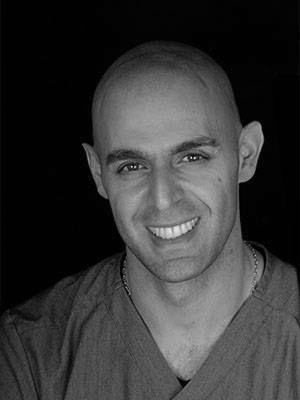
Dr. Fadi Hasan
Washington DC, United States. Periodontist and Implant Surgeon
Dr. Hasan is a specialist in the field of Periodontology and Dental Implant surgery. He received his Bachelors of Dental Surgery from University of Baghdad in 2007 and his DDS from the University of Colorado in Denver in 2011.
Dr. Hasan completed his Periodontics residency at the Virginia Commonwealth University (VCU) with a Masters of Science in Dentistry. He then achieved Board certification from the American Board of Periodontology and Dental Implant Surgery.
Dr. Hasan has published been published in peer-reviewed papers on the field of Platelet Rich Fibrin (PRF) and in Implant dentistry with regards to Osseodensification. He currently holds a position as an Assistant Clinical Professor at the VCU Dental School, Department of Periodontics and also maintains a private practice in VA and DC.
Dr. Hasan is also the co-founder of Perio Amigos which focuses on Advanced soft tissue courses for implants and teeth.
Frequently Asked Questions
This is the #1 objection. Here's the evidence:
Published research (Sutherland et al., 2006): No significant difference in surgical outcomes between simulation-trained vs cadaver-trained groups.
The advantage of online + simulation:
- Unlimited practice (vs one-time pig jaw)
- Spaced repetition (vs cramming in a weekend)
- Learn at optimal pace (vs keeping up with group)
- Review difficult sections multiple times (vs hope you remember)
- Practice until automatic (vs hope you get it right first time)
What you can't learn online:
- Patient management and chairside manner
- Real-time bleeding control
- Actual tissue handling under stress
What you definitely can learn online:
- Diagnostic thinking and case selection
- Technique steps and sequences
- Suturing skills (through unlimited practice)
- Error recognition and correction
- Clinical judgment development
The truth: Most weekend courses teach you techniques. This course teaches you clinical judgment. Then you apply that judgment to carefully selected cases, with mentorship support, building competence systematically.
This approach has worked for 300+ dentists in our live courses. Now we're making it available online with even more practice opportunities through unlimited model access.
Honest answer: It depends on you.
Some students feel ready after 4 weeks. Others need 8-12 weeks. No rush, lifetime access means learn at your pace.
Here's the progression:
Weeks 1-2: Complete foundation modules (diagnosis, classification, healing)
Weeks 3-4: Watch technique demonstrations, take notes, ask questions
Weeks 5-8: Practice on typodont models (this is where real learning happens)
- Start with FGG (easiest)
- Progress to CTG and CAF
- Eventually tunnel/VISTA (most complex)
- Practice each technique 10-20 times minimum
Weeks 9-12: Case selection and planning
- Identify ideal first case in your practice
- Submit to iDD Academy for feedback
- Review similar cases in video library
- Practice specific technique for that case presentation
Week 13+: First live case
- Start with lower canine or premolar recession
- Miller Class I or II only
- Patient with realistic expectations
- Have periodontist backup arranged
- Document thoroughly
You'll know you're ready when:
- The thought of your first case creates excitement with manageable anxiety, not paralyzing fear
- You've practiced the technique enough that movements feel automatic
- You can explain to the patient what you're doing and why
- You have support system in place if complications arise
Bottom line: Most students from our live courses complete their first case within 90-120 days. With this online format providing unlimited practice access, you can take even more time if needed.
Course content launches March 2026.
Why the wait?
We're not rushing this. Dr. Hasan is filming comprehensive content with multiple camera angles, real patient procedures, and detailed technique demonstrations. Quality takes time.
What this means for Pioneer Launch members:
- Lock in lowest pricing now (price increases after launch)
- First access to content when it's released
- Influence course development (your questions help shape content)
- Practice models ship upon order (start practicing before content launches if you want)
- Community access begins immediately (connect with fellow pioneers)
Timeline:
- Now - February 2026: Pioneer Launch enrollment period
- March 2026: Course content releases, mentorship calls begin
- March - September 2026: Your 6-month implementation window
This gives you time to:
- Prepare your practice for new services
- Order and receive practice models
- Set up your training schedule
- Clear your calendar for focused learning
Yes, but only if you genuinely try.
The Implementation Success Guarantee
We're so confident this system works that we're offering a 6-Month "Try It, Apply It, Succeed" Guarantee.
Here's the deal:
If you complete all course requirements, attempt 5 soft tissue cases, submit them for feedback in the iDD Academy Soft Tissue Mastery group, and participate in mentorship, and you still don't feel this was worth your investment, full refund.
You must:
- Watch all 18 core modules
- Practice on typodont models (with documentation)
- Attempt 5 soft tissue cases on real patients
- Submit all 5 cases to the iDD Academy group for review
- Receive and implement feedback from Dr. Hasan
- Attend at least 8 of 12 monthly mentorship calls
Do all that within 6 months of course launch, and if you're not satisfied, every penny back.
You will NOT qualify for a refund if:
- You didn't watch the content
- You didn't practice on models
- You didn't attempt 5 cases
- You didn't submit cases for feedback
- You didn't attend mentorship calls
- "You didn't have time"
Why such strict requirements?
Because we're guaranteeing your implementation success, not just your satisfaction. We can't ensure you succeed if you don't do the work.
The bottom line: We've never had a live course graduate complete requirements and ask for a refund. When you actually implement, you see the value immediately.
Great question. Probably not redundant, here's why:
If you took a single-technique course: You learned tunnel, or VISTA, or CAF, but not the diagnostic framework for when to use each. This course teaches you 5+ techniques and clinical judgment.
If you took a weekend intensive: You crammed content, practiced once on a pig jaw, and didn't implement. This course uses spaced repetition, unlimited practice, and ongoing support, the things that actually drive implementation.
If you took a lecture-only course: You learned theory but had no hands-on component. This course includes 6 professional models for extensive practice.
If you implemented from a previous course: Then you understand the value of proper training. This course will expand your technique repertoire and help you handle more complex cases.
Past course alumni from other programs tell us:
- "I spent $4,800 and never implemented. Your approach finally made it click."
- "I learned one technique before. Now I understand when to use which technique."
- "The unlimited practice component is what I needed all along."
Excellent question. Both are valuable, for different reasons.
3-Day Live Course (Perio Amigos):
- Hands-on practice with immediate feedback
- In-person demonstration and coaching
- Networking with other attendees
- Intensive immersion experience
- $4,500-5,500 + travel/hotel
- Limited to scheduled dates
- Covers 4-5 techniques in compressed format
- 300+ graduates to date
Advanced Clinical Guide Online Course:
- Learn at your own pace (spaced repetition advantage)
- Unlimited practice on 6 professional models at home
- Lifetime access to rewatch difficult sections
- 12-month mentorship included for ongoing support
- $3,900 + ~$900 for models (no travel costs)
- Start March 2026 (enroll now at Pioneer pricing)
- Covers 5+ techniques with more depth per technique
- Progressive learning optimized for retention
- Brand new course with proven teaching methods from live courses
The ideal combination: Take this online course first → Build foundation and practice extensively → Then attend the live 3-day course for hands-on refinement and advanced cases.
For alumni of the 3-day live course: This online course provides the systematic review and continued practice opportunity that prevents skill decay. Plus access to mentorship and community for ongoing cases. See special alumni pricing below.
Let's be completely transparent about costs:
Course Content: $3,990
- 18 comprehensive video modules
- Surgical video library
- Common mistakes library
- 12 months of mentorship
- iDD Academy community access
- All templates and protocols
- Lifetime access
Practice Models (Separate): $900 USD
- 6 professional soft tissue typodont models
- Exact price depends on number of Pioneer Launch participants
- Bulk ordering reduces per-person cost
Shipping: Varies by location
- US domestic: typically $50-100
- International: $150-300+ depending on country
- Customs fees may apply for international orders
Total Investment: Approximately $4,890 USD plus shipping and customs duties.
Compare to:
- Weekend intensive: $4,500 + ($1000-$1500) travel/hotel = $5,500-$6000 (practice once, no ongoing support)
- Multiple weekend courses: $13,500+ (if you need to repeat to actually implement)
ROI Calculation:
- Average soft tissue fee: $1,500-2,500
- Break-even: 2-3 cases
- Conservative year one (2 cases/month × $1,500): $36,000
- Course investment: $4,890
- Net gain year one: $31,000+
The practice models alone save you money, if you took our live course 3 times trying to master the material ($13,500+), you'd still only practice each technique a handful of times. With these models, practice unlimited times for life.
Absolutely. Here's what you need to know:
Course content: Soft tissue principles and techniques are universal. Anatomy doesn't change based on country. The neuroscience of learning is the same worldwide.
Typodont models: We ship internationally. Delivery takes 2-3 weeks to most countries (vs 3-5 days in US).
Important: International shipping costs vary widely ($150-300+) and you may incur customs/import duties based on your country's regulations.
Mentorship calls: Scheduled to accommodate multiple time zones. Recordings available if you can't attend live.
Regulatory differences: Coding/billing modules are US-specific, but technique and clinical content applies globally.
Community: We have live course graduates in Canada, Australia, UK, Middle East, and South America. The iDD Academy forum is active across time zones.
Language: All content is in English. If you can read this sales page, you can follow the course content.
Currency: All prices in USD. International credit cards accepted.
Yes, if soft tissue isn't your strength.
For prosthodontists: You do amazing restorative work. But how often do you send cases to perio for soft tissue management first? This course helps you integrate soft tissue into your treatment planning, or at minimum, communicate better with periodontists about what you need.
I have a prosthodontist referral partner who won't place a crown on thin tissue. He sends for gum grafting first. That's the mindset we're building.
For oral surgeons: You're comfortable with surgery. But are you doing soft tissue grafting? One oral surgeon who took the course told me: "If it wasn't for you, I wouldn't be doing so many gum grafts now."
You have the surgical skills. This course teaches you the specific soft tissue techniques and diagnostic thinking.
For periodontists: If you're already doing comprehensive soft tissue, this course might be review. But if you learned one or two techniques in residency (like I did), this expands your repertoire.
Plus: My approach to teaching might give you ideas for educating your referring GPs.
First: This is why we emphasize case selection.
Your first case should be:
- Lower canine or premolar (not aesthetic zone)
- Miller Class I or II (predictable)
- Non-smoker with good oral hygiene
- Patient with realistic expectations
- Straightforward anatomy (no surprises)
But complications happen. Here's the safety net:
During the course:
- "What could go wrong" sections for each technique
- Complication prevention strategies
- Early warning signs to watch for
After your case:
- Post-op photo review in community
- Direct messaging for urgent concerns
- "Here's what I'm seeing" consultations
- Guidance on whether to intervene or monitor
If you have mentorship:
- Direct access for case review
- "Here's what I'd do" recommendations
- Revision planning if needed
- Referral guidance when appropriate
Backup plan: Identify a periodontist in your area before your first case. Introduce yourself: "I'm taking advanced training and plan to do basic soft tissue. Would you be available for backup if I encounter something beyond my skill level?"
Most periodontists respect this approach and will support you.
Conservative estimate for year one:
Assume you implement conservatively:
- 2 soft tissue cases per month (very achievable)
- Treating 2 to 3 teeth for recession
- Average fee $1,500 per case (conservative, many charge $2,000-2,500)
- 12 months
Math: 2 cases × $1,500 × 12 months = $36,000 in year one
Course investment: $3,900
ROI: 923% in first year
Break-even: After 2.6 cases
More aggressive (but realistic) scenario:
- 4 cases per month (once you're comfortable)
- Average fee $2,000
- 12 months
Math: 4 cases × $2,000 × 12 months = $96,000 in year one
Plus indirect revenue:
- Patients stay in your practice (vs referring out)
- Enhanced reputation drives new patient referrals
- Ability to do comprehensive treatment planning
- Reduced dependence on specialists
- Increased case acceptance (can offer more services)
Real student example: Dr. James K. (Maryland) averaged 4-6 cases per month within 6 months of completing the course. At $2,200 average fee, he generated $52,800-79,200 annually from soft tissue alone.
The limiting factor isn't demand; it's your confidence in offering the service.
Fair concern. Here's the reality:
Time commitment:
- Foundation modules: 12 hours total (can spread over 2-3 weeks)
- Technique modules: 20 hours total (critical viewing, can spread over 4-6 weeks)
- Practice time: 15-30 hours (this is where mastery happens)
Total active time: 45-60 hours over 8-12 weeks
That's about 4-6 hours per week.
Too busy? Then you're too busy to implement even if you took a weekend course.
The advantage of this format:
- Watch at 5:30 am before the office opens
- Watch at 9 pm after the kids are asleep
- Watch during lunch breaks
- Practice on models during downtime
- No pressure to keep pace with a group
Most students follow this pattern:
- Week 1-2: Watch foundation content (evenings/weekends)
- Week 3-5: Watch technique demonstrations (evenings)
- Week 6-10: Practice on models (whenever you have 30-60 minutes)
- Week 11-12: Case selection and planning (light time commitment)
- Week 13+: First case (you're already in the office anyway)
Compared to the weekend intensive:
- Friday afternoon: Leave practice early or close the office (lost revenue)
- Friday night: Travel, hotel check-in
- Saturday: 8 am-6 pm course (10 hours)
- Sunday: 8 am-4 pm course (8 hours)
- Sunday night: Travel home, exhausted
- Monday: Back to full patient schedule with no practice time
Which is actually more disruptive to your schedule?
Bottom line: If you can find 4-6 hours per week for 8-12 weeks, you can complete this course. If you can't find that time, you probably shouldn't invest in any CE, because implementation requires time regardless of format.
Good news: Less than you think.
The essentials (you might already have these):
| Item | Standard / Mid-Range | Premium / Name Brand |
| Round Scalpel Handle | $35 – $50 | $70 – $135 |
| Buser Elevator or similar | $35 – $60 | $105 – $120 |
| Tissue Forceps (Fine tipped) | $20 – $40 | $65 – $100 |
| Curved Iris Scissors | $25 – $50 | $85 – $110 |
| Castroviejo Needle Holder | $230 – $285 | $460 – $550 |
| Nylon 5-0 / 6-0 | ~$100 / box | ~$215 / box |
| Prolene 5-0 / 6-0 | ~$200 / box | ~$260 / box |
Soft tissue-specific additions:
| Item | Standard / Mid-Range | Premium / Name Brand |
| Tunneling Instrument (Each) | $45 – $80 | $100 – $150 |
| Tunneling Kit (Full Set) | $250 – $400 | $800 – $2,300 |
| Molt 2/4 Elevator | $15 – $35 | $50 – $110 |
| Micro Scissors (Spring) | $40 – $75 | $130 – $475 |
But here's the thing: Most practices already have 60% of what you need. You're not setting up an entirely new specialty, you're adding a few specialized instruments to existing surgical setup.
The course includes:
- Detailed instrument recommendations (with specific product links)
- "Start with this, add this later" guidance
- Budget-friendly alternatives to expensive brand names
- Used/refurbished sources for savings
One student's approach: "My first case charged $1,800. Second case $2,200. Instruments paid for themselves immediately."
Don't let the instrument cost stop you. Your first case recoups the investment.
Absolutely. You may be the ideal candidate.
Here's why: Dr. Hasan's teaching philosophy is "Natural Teeth First." The course teaches you to master soft tissue surgery on natural teeth before ever considering implant-related work.
Why? Teeth are more forgiving. They have a blood supply, biological rebound potential, and better healing capacity. If you're going to learn surgical skills, natural teeth are the safer, smarter place to start.
Most recession cases in general practice are on natural teeth anyway. You'll build a profitable soft tissue service and develop real surgical confidence, regardless of whether you ever place an implant.
The fact that you don't place implants means you're starting in exactly the right place.