
February 26, 2020

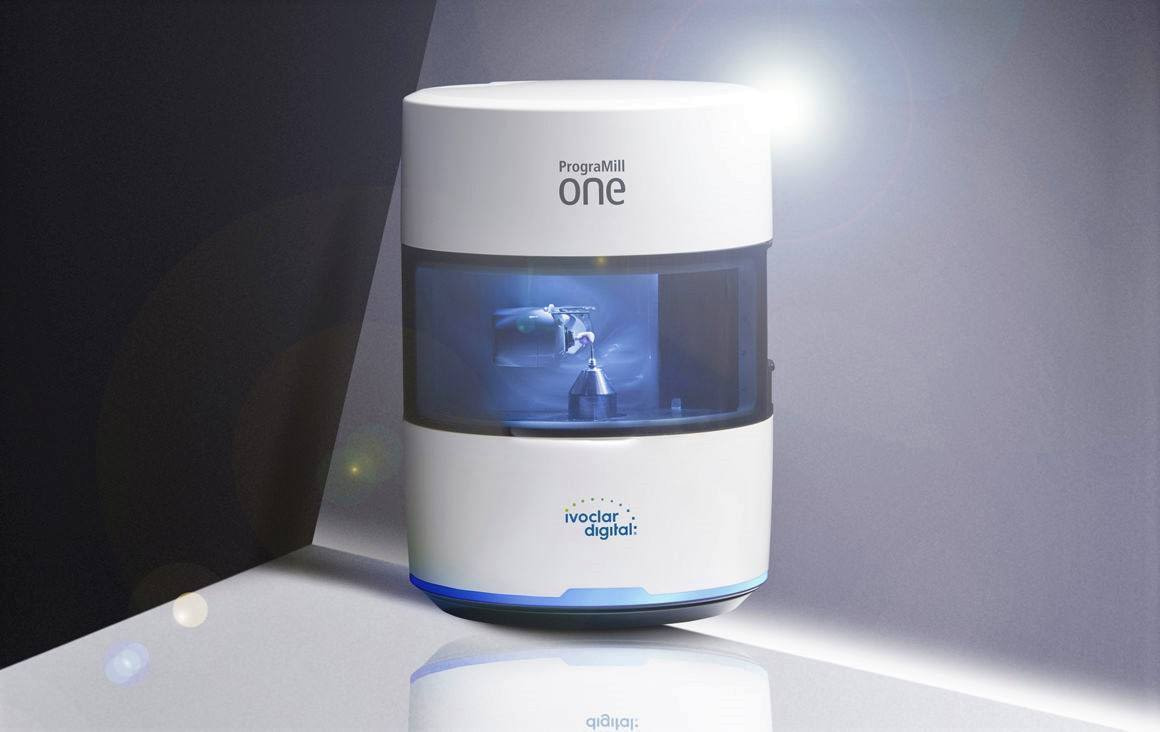
The long awaited Programill One may be just around the corner. Announced 3 years ago, the chairside mill from Ivoclar Digital had a bumpy start and ultimately was pulled from released. This was due to all sorts of issues with the mill performing to standard and now these concerns have been sorted out.

So the question becomes, what makes the PrograMill One different to other mills? What is the cost? What does it mill? etc. We have summarised all available information about this new mill down below.
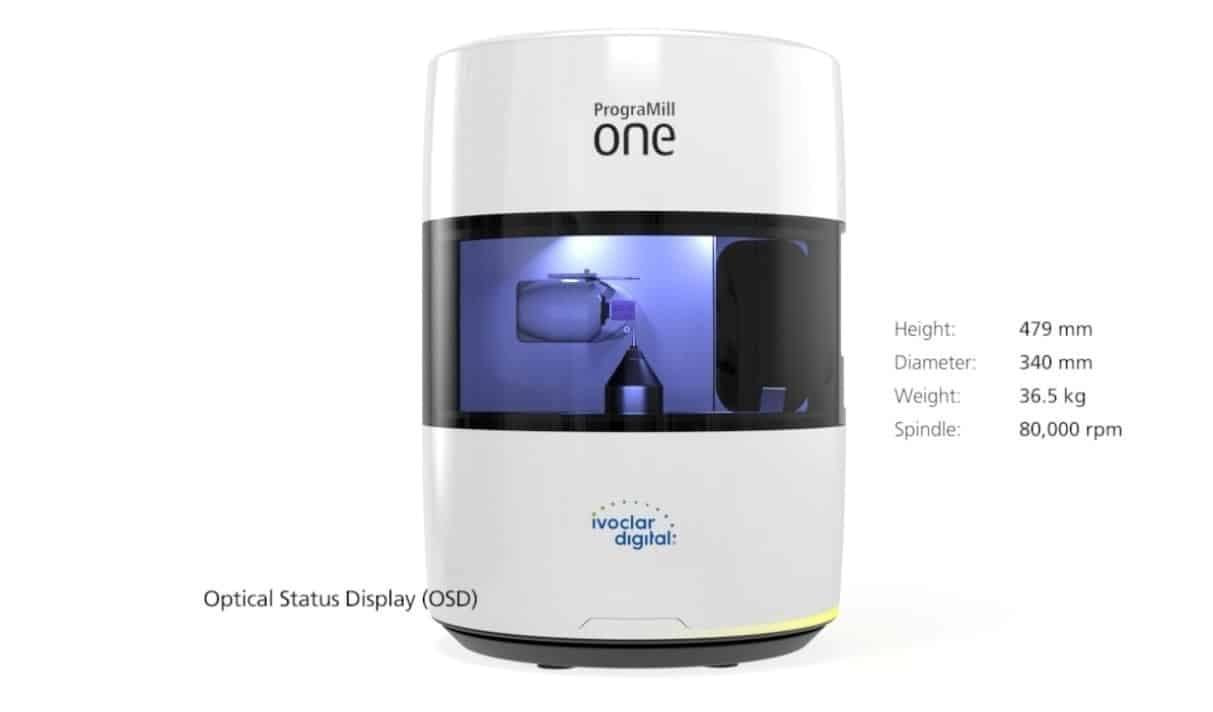
  • The PrograMill One is a very compact 5-axis milling machine. This means it has few limitations in regards to milling shapes. One downside is that, it is currently limited to milling single units.
  •  It will mill an e.max crown in the range of 15-20 minutes. Not particularly fast but said to mill beautiful anatomy.
  • It will only mill Ivoclar Blocks. The mandrill of these milling blocks differs to anything else on the market. Meaning you will be restricted to what materials are available to use on the mill. Currently this includes IPS e.max CAD, IPS Empress CAD and Tetric CAD.
  • It has an internal compressor and therefore only needs a mains power and network connection to operate. 
  • It is made to work closely with the 3Shape Software.
  • It has a 5-block magazine and can be loaded with five restorations and mill them in a row without having to touch the mill.
ivoclar-milling-machine

Will the Programill One mill find success in a ever competitive market?

About the author 

Dr Ahmad Al-Hassiny is a globally recognised leader in digital dentistry, intraoral scanning, 3D printing, and CAD/CAM, and the Director of the Institute of Digital Dentistry (iDD), a world-leading digital dentistry education provider. A full-time private dentist in New Zealand and international Key Opinion Leader for many of the industry’s leading companies, he is one of the few clinicians worldwide to personally own, test, and compare virtually every mainstream intraoral scanner and CAD/CAM system in real-world clinical practice. Beyond education, Dr Ahmad works within his family-owned dental business in Wellington, New Zealand, which operates 43 dental operatories, alongside a full-service digital dental laboratory with six technicians and a clear aligner manufacturing company. This unique combination of clinical dentistry, education, laboratory workflows, manufacturing, and extensive hands-on technology testing gives him a practical, independent perspective on how digital dentistry performs and scales in the real world.


{"email":"Email address invalid","url":"Website address invalid","required":"Required field missing"}

Read the latest digital dentistry news and reviews:

SprintRay has officially launched MIDAS Restore, and after several months of hands-on testing as part of the beta program, I think this is the

Read More

Materials, not printers, decide whether a 3D-printed crown works. That is the argument Hossein Bassir kept coming back to, and after a

Read More

One of the first Ceramix-Nano units in the world is here at the iDD Studio, and the first thing that hits you

Read More

Bringing your lab work in-house is not a technology decision. It is a business decision, and most dentists make it the other

Read More
>