world leader in unbiased and objective digital dentistry reviews and education
The Honest Economics of the In-House Digital Lab
Bringing your lab work in-house is not a technology decision. It is a business decision, and most dentists make it the other way around.They see a colleague post a milled crown or a 3D printed model online, get excited about the workflow, and buy the equipment before running a single number specific to their own
How To Communicate With Your Dental Lab For The Best Results
Clear communication with your dental lab can be the difference between a smooth case and a challenging remake. Although in-house workflows provide numerous benefits, the vast majority of dentists scan and send to a lab for their prosthetics. Understanding how to work effectively with your lab partner is essential for predictable outcomes and patient satisfaction. We
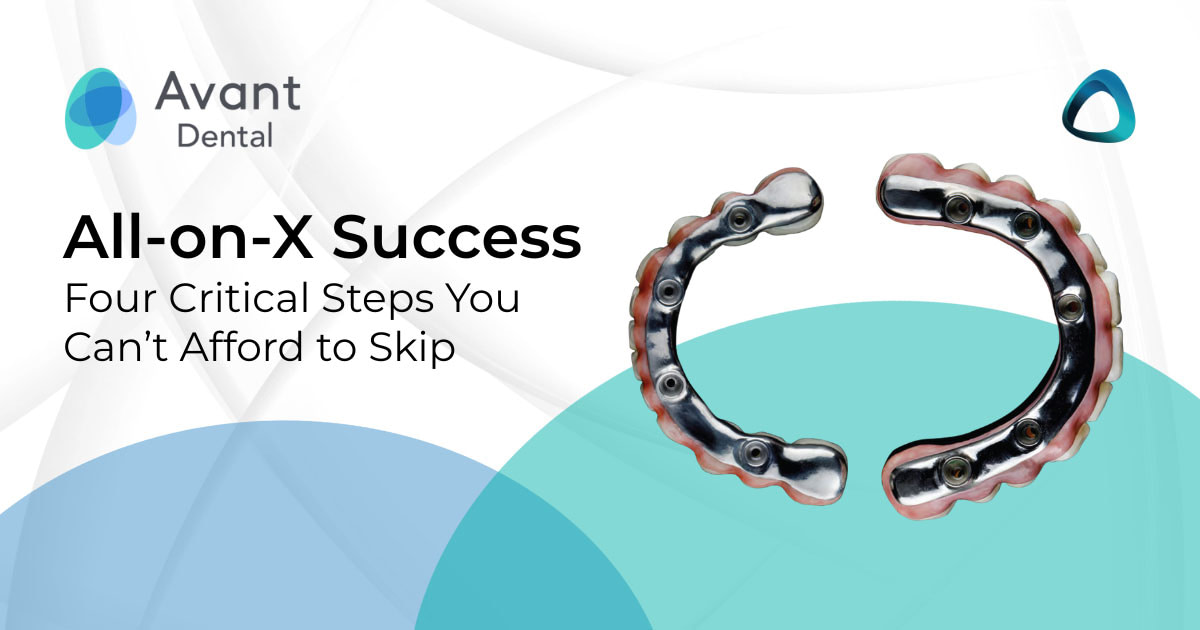
All-on-X Success – Four Critical Steps You Can’t Afford to Skip
I’ve just wrapped up work on a comprehensive white paper with Avant Dental (a large Lab in Australia) that addresses a crucial issue – why some All-on-X cases deliver life-changing results while others fail spectacularly, despite seemingly identical surgical execution.While working on this white paper we identified four phases of treatment where most complications originate. What
How Accurate Is Edentulous Scanning with Intraoral Scanners? A Comparison with Traditional Impressions
At iDD, we are often asked by clinicians and technicians alike: Is edentulous scanning possible with an intraoral scanner (IOS), and is it accurate?The short answer is yes. But it’s not always easy, and you need a great scanning technique.Additionally, edentulous scanning is the one indication that totally differentiates the various IOS brands. While a
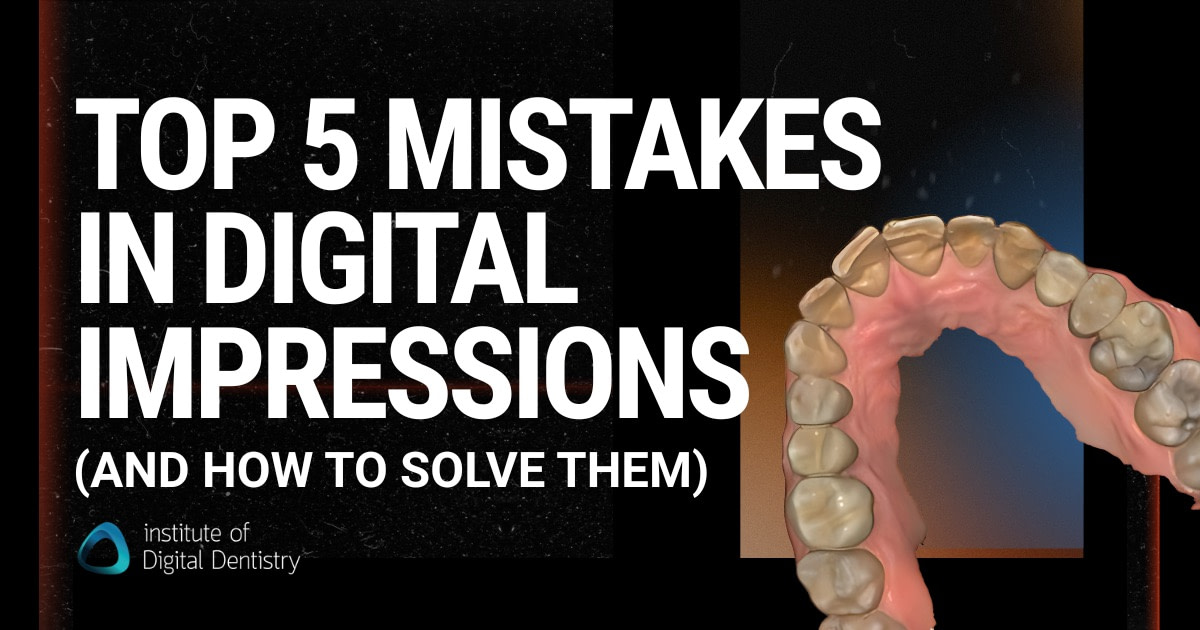
Top 5 Mistakes In Taking Intraoral Scans aka Digital Impressions (And How To Solve Them)
Digital impressions have come a long way in the last ten years.While the scanners available continue to get cheaper, faster and more user-friendly, there are some crucial mistakes that are commonly made. Understanding these mistakes and how to avoid them can significantly lower your costs, remakes and frustration. Often the difference between a successful case
Understanding the Oxygen Inhibition Layer: Why That Glycerin Blob Actually Matters
You’ve probably seen it on social media – a dentist carefully applying a clear gel over a composite restoration before curing. Maybe you wondered if it was just for show, or perhaps questioned their isolation technique.The truth is, there’s solid science behind that seemingly odd step. It’s all about managing the oxygen inhibition layer, and
Digital Vs Analog Dentistry – Quantifying the Real-World Benefits
The dental profession is experiencing a digital revolution, but the pace of adoption reveals an industry in transition. Most U.S. dentists now use an intraoral scanner. In a 2025 Inside Dentistry survey, 64% of respondents said they use one, twice the share in 2020¹. Yet only 17% have integrated 3D printers into their workflows², and even
Pac-Dent Launches N2-Free Glaze and Staining System for 3D Printed Restorations
Pac-Dent has just announced the release of their new Rodin Glaze N2-Free and Rodin Palette N2-Free Naturalizing Kit, aiming to solve a common challenge in finishing 3D-printed dental restorations: post-processing.Let’s take a closer look at what this system offers and how it might impact digital dental workflows.The Challenge with Current Glazing SystemsOne of the ongoing
The Next Big Market Trend in Intraoral Scanners: Cloud Integration
Today, we’re diving into what I believe is the next big market trend in the world of intraoral scanning. Having been in this field for nearly a decade, testing every scanner out there, and watching the market evolve, I’ve seen some significant shifts. But the one that’s catching my eye right now? It’s all about the
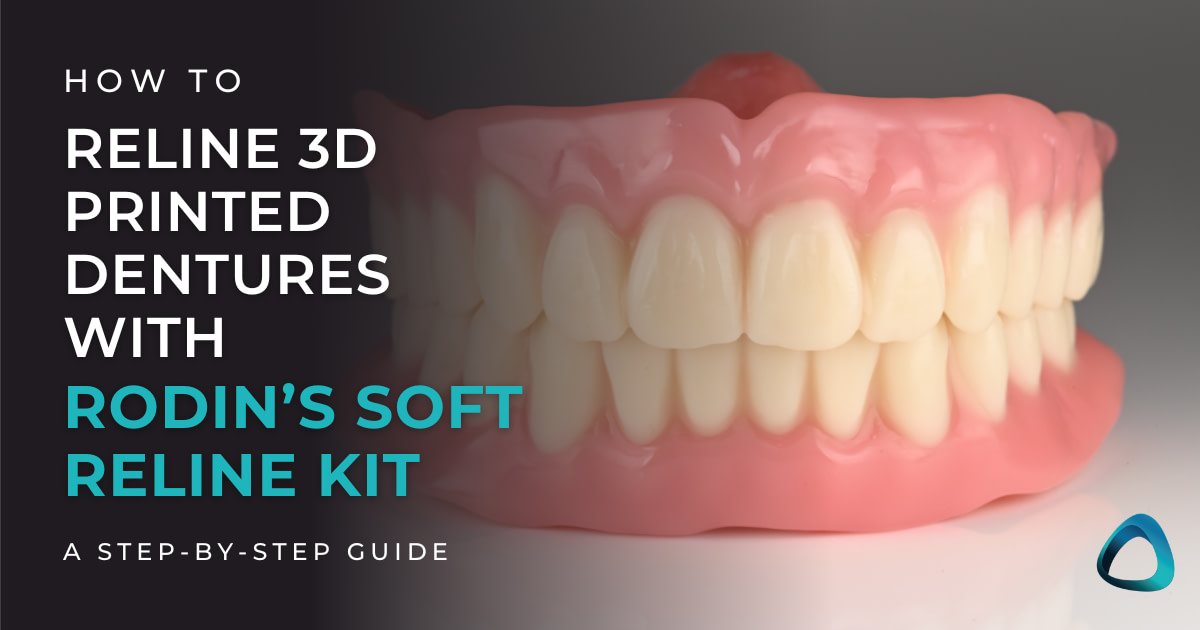
How to Reline 3D Printed Dentures with PacDent’s Rodin Soft Reline Kit: A Step-by-Step Guide
Introduction to Digital DenturesI had the opportunity to try out the Rodin Soft Reline Kit, and here is my experience. Relining 3D-printed dentures can be problematic, especially when compared to traditional acrylic dentures.This article highlights the entire workflow using the Rodin Soft Reline Kit, which we found to be a useful tool in the cupboard
Navident EVO Case Examples – Dynamic Dental Navigation for Implantology
Introduction to Navident EVOIn the rapidly evolving field of digital dentistry, dynamic navigation systems are emerging as game-changers, particularly in implantology and complex dental surgeries. These systems promise enhanced precision, improved patient outcomes, and potentially shorter procedure times. At the forefront of this technology is the Navident EVO by ClaroNav, a company based in Toronto,
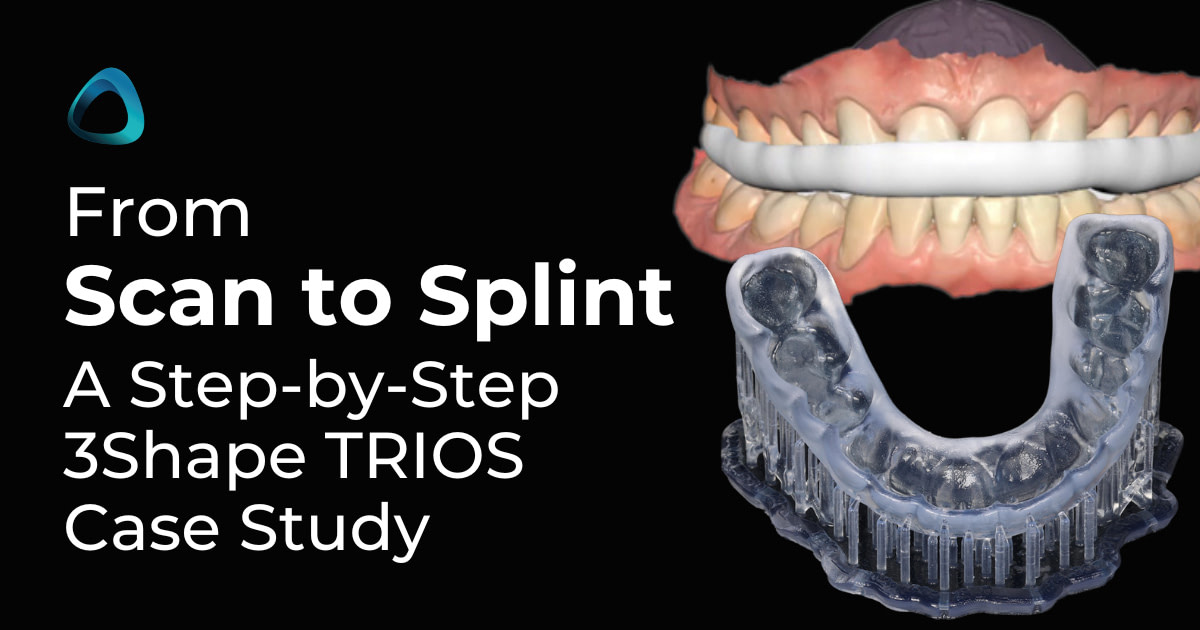
From Scan to Splint: A Step-by-Step 3Shape TRIOS Case Study
Dental technology used to be a traditional craft totally dependent on manual hand skills: dental impressions, poured stone models, and plaster mounting on a physical articulator. Traditionally, the fastest method of fabricating a bite splint was to take an alginate impression and pour a stone model. A thermoformed sheet of material is conformed to the stone