

Bringing your lab work in-house is not a technology decision. It is a business decision, and most dentists make it the other way around.
They see a colleague post a milled crown or a 3D printed model online, get excited about the workflow, and buy the equipment before running a single number specific to their own practice. Eighteen months later, they are still trying to work out whether the purchase actually made sense.
I want to save you those eighteen months. Here is the framework I actually use when a dentist asks me whether to bring design and production in-house, and the honest answer is that it depends entirely on your numbers, not mine.
Start with what you are actually comparing
The decision is not "in-house lab versus no lab." It is your per-unit lab fee, paid case after case for as long as you practice, against a fixed investment in equipment plus a new ongoing cost in materials and time.
Those are two different cost shapes. A lab fee scales with volume and never goes away. An in-house setup front-loads the cost, then trades your outside lab fee for a much smaller material cost per unit, plus your own chair time or a technician's time to run it.
The crossover point where in-house starts winning is not a fixed number of units. It is wherever your per-unit lab fee, multiplied by your monthly case volume, catches up to your equipment cost plus your ongoing material and labor cost. Nobody can hand you that number. You have to build it from your own bills.
Per-unit lab fees versus material costs
Pull your actual lab invoices from the last six months. Not an estimate, the real numbers, broken down by unit type, because a crown, a night guard, and a surgical guide do not cost the same to outsource and will not cost the same to produce.
Now find the real material cost for producing that same unit yourself. Resin or milling puck cost per unit, not per bottle or per disc. Divide the bulk price by how many usable units you actually get out of it, because failed prints and wasted material come out of that yield before you see a finished part.
The gap between your per-unit lab fee and your per-unit material cost is the entire opportunity. If that gap is small, the case for going in-house gets weak fast, no matter how appealing the workflow looks in a demo.
The Case for Same-Day Dentistry (and Its Real Learning Curve)
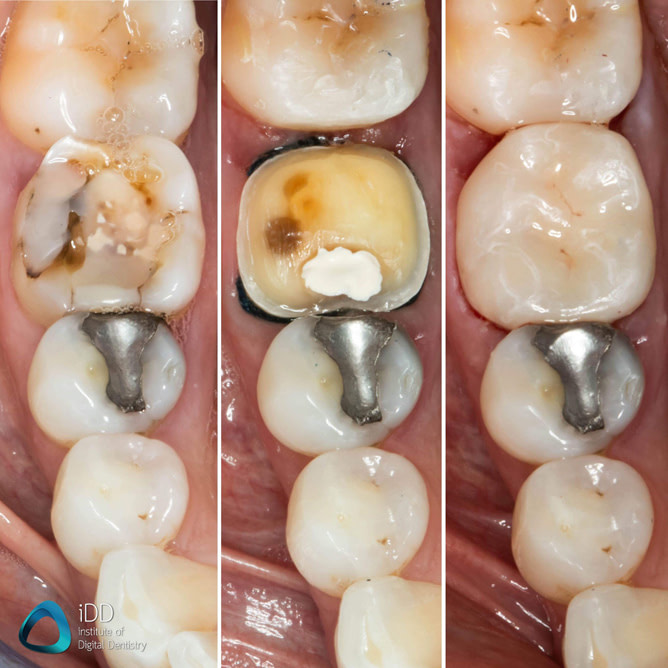
Let's address the part of this equation that is not purely financial, because it is often the actual reason a dentist wants to go in-house in the first place. Same-day dentistry is genuinely valuable, and I don't want the economics discussion above to bury that. I cannot practice without it anymore.
A patient who gets a crown seated in one visit instead of two skips a temporary restoration, the second injection, and the follow-up appointment on your schedule. Fewer visits means fewer no-shows to chase, less chair time lost to re-numbing a tooth that has already been prepped once, and a patient who leaves your practice talking about how easy that was. That word of mouth has real value, even if it never shows up on a lab invoice comparison.
The market reflects this shift. Straits Research projects the global dental CAD/CAM market to grow of roughly 8.24% annually between 2026 and 2034, with rising chairside restorative use cited as a direct driver. Separate market data pegs dental clinics and group practices as the fastest-growing end-use segment for CAD/CAM systems, with a share of around 35% in 2026, up from roughly 25% in 2020.
Here's the thing though. None of that convenience arrives for free, and the cost is not just the equipment. It is the learning curve, and it is steeper than most demos let on.
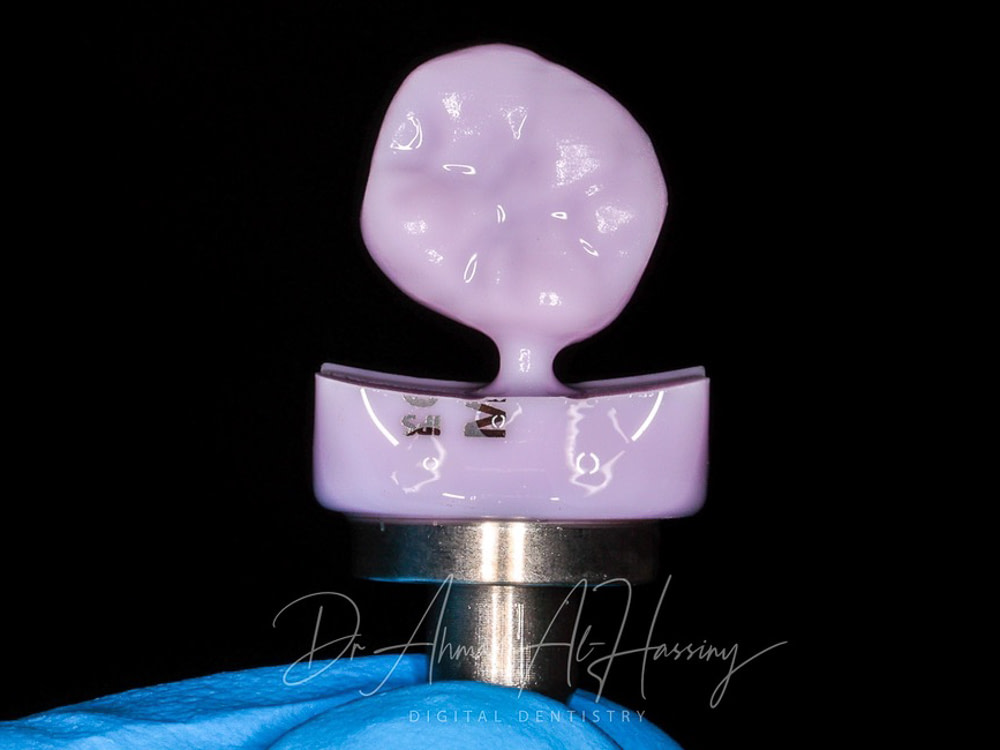
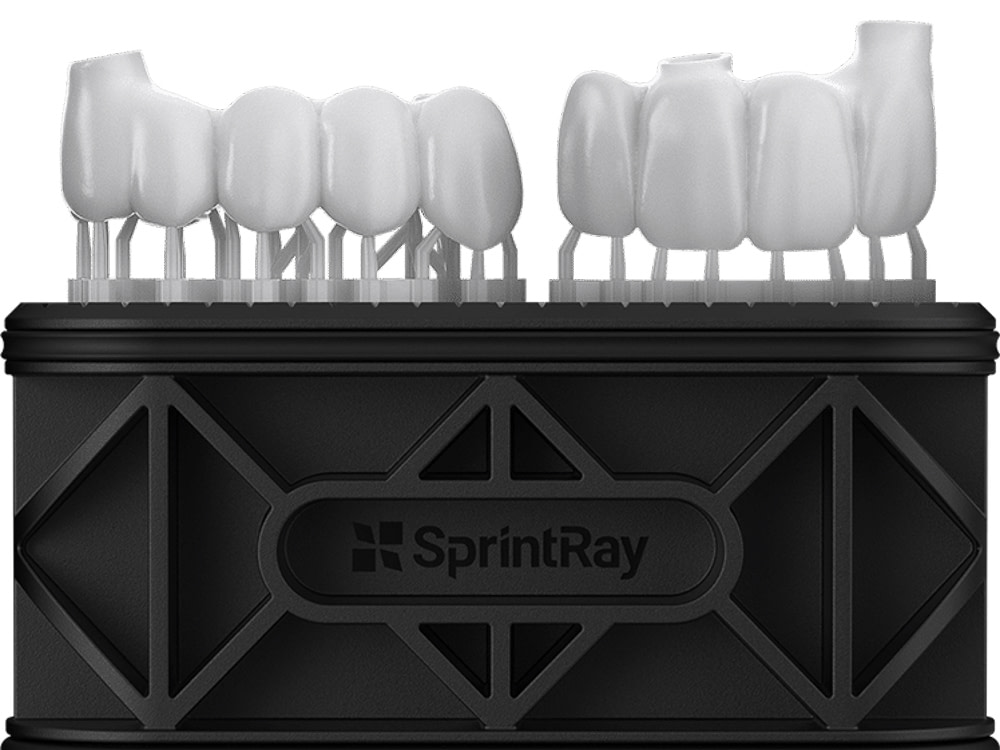
Designing and milling or printing a same-day crown chairside means you are now doing, in the space of one appointment, work that used to take a lab technician an entire day. Margin design, occlusion, contact points, and material selection all have to happen while your next patient is already in the waiting room. Early on, that pressure is real, and it shows up as remakes, adjustments, and appointments that run long.
That said, this curve does flatten. The same design that takes 30 minutes on your first attempt typically drops to 5 to 10 minutes once you are proficient, and most clinicians get there faster than they expect. Full-arch cases and multi-unit aesthetic work are a different story. Be realistic about how long those take to design well and whether same-day turnaround is even the right goal for that case type, because rushing a full-arch design to hit a same-day promise is how remakes happen.
So the question becomes, is same-day dentistry worth building into your in-house setup? For single-unit posterior crowns and straightforward cases, in my experience, yes, once you are past the learning curve. For complex aesthetic and multi-unit work, I would not chase same-day as the goal. Design it properly and deliver it right, even if that means a second visit.
Design time versus delegation
Here is the part most equipment conversations skip entirely. Producing the unit is only half the job. Someone still has to design it.
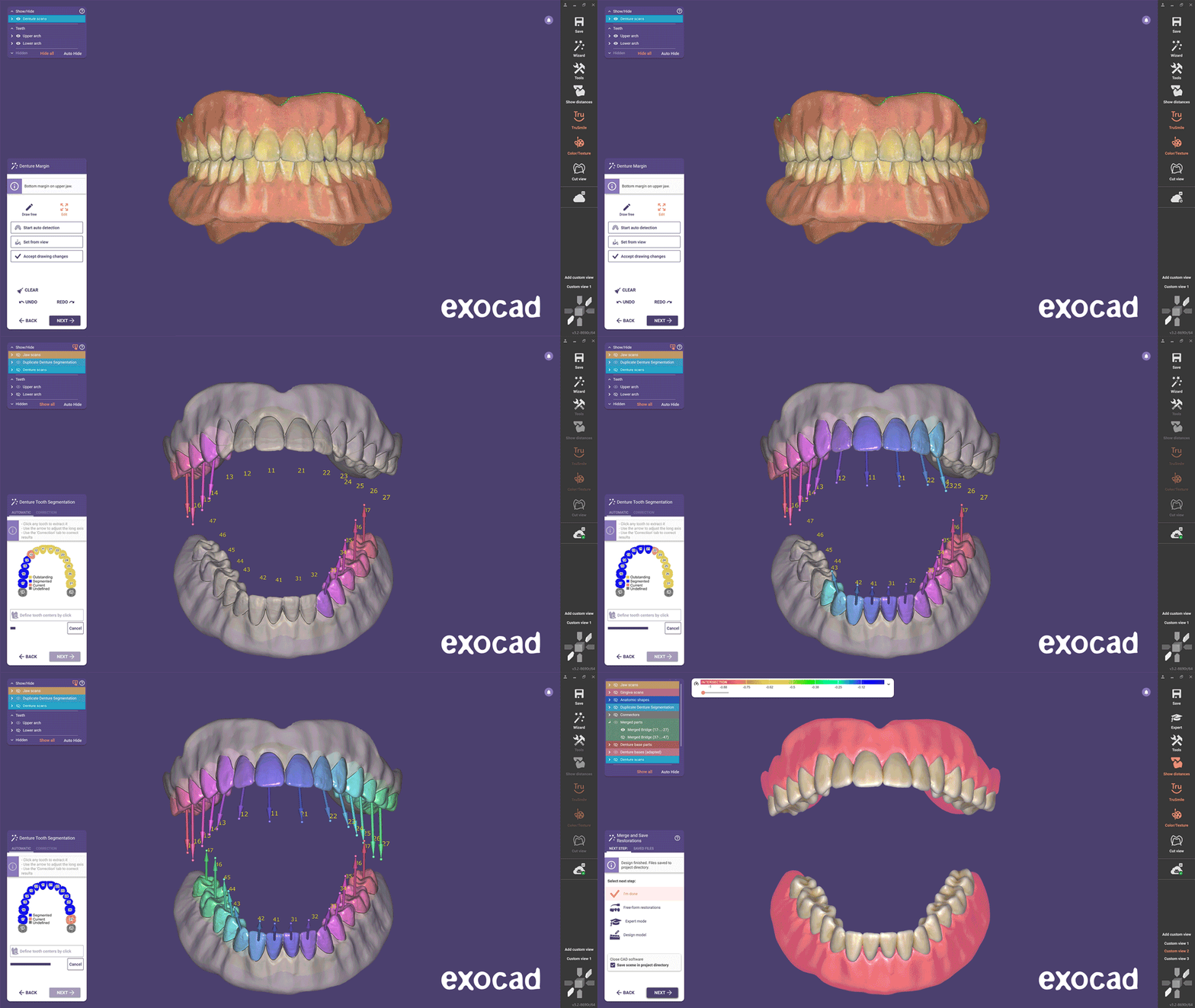
When you send a case to an outside lab, you are paying for their design time inside that lab fee. When you bring production in-house, you have a choice. Design it yourself in software like exocad, use AI-assisted design tools, outsource the design to a design lab, or hire and train someone to do it for you.
If you design it yourself, that is your time, and your time has a cost even when nobody invoices you for it. Every hour spent designing a crown is an hour not spent in an operatory generating the revenue you are actually trained to generate. Weigh your design time against what that same hour is worth doing dentistry, not against zero.
If you delegate design to a technician or a team member, you have a real wage cost, plus the ramp-up period before they are fast enough to make the math work. Either way, design time belongs in your calculation as its own line, separate from the machine.
The utilization a printer needs before it stops being furniture
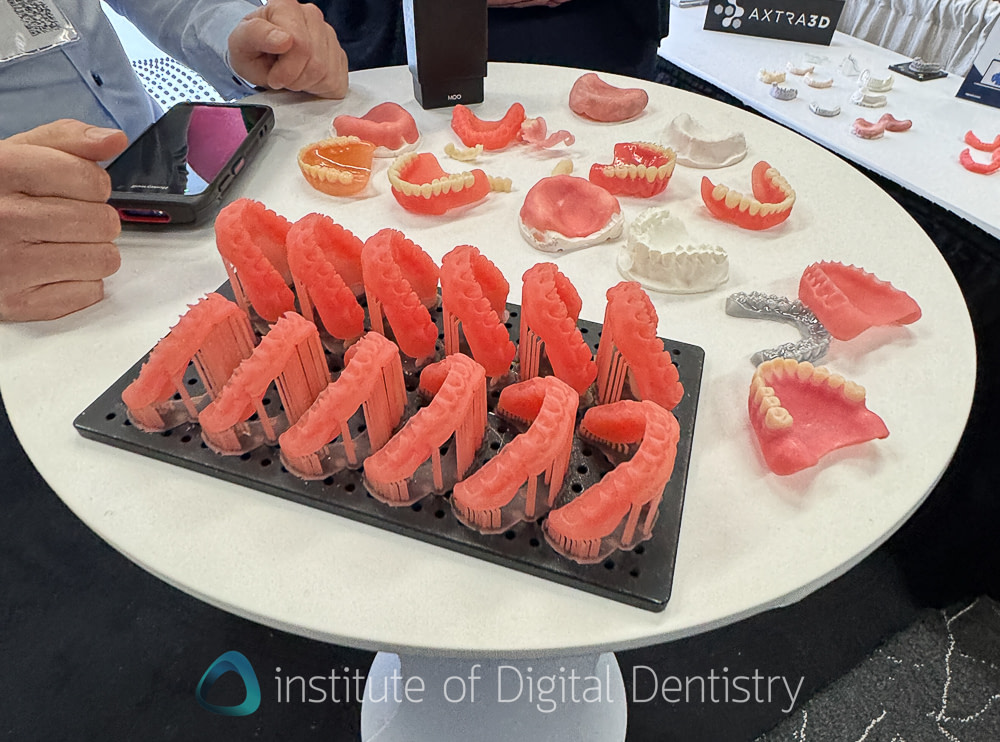
A 3D printer or a mill sitting mostly idle in the corner of your lab or clinic is not an asset. It is furniture with an electricity bill and a maintenance schedule attached.
The equipment only starts paying you back once it is running enough units per month for the savings on lab fees to outweigh the fixed cost of owning it, spread over its useful life. Below that utilization line, you are worse off than you were sending everything out.
This is where I see the most well-intentioned purchases go wrong. A dentist buys equipment sized for a case volume they hope to have in two years, not the case volume they actually have today, after seeing a colleague's setup online. The equipment then sits mostly unused while still incurring costs for depreciation, software subscriptions, and the space it occupies.
Work out your realistic monthly unit count first. Then work backward to whether that count is enough to justify the equipment, not the other way around.
The hidden costs people forget
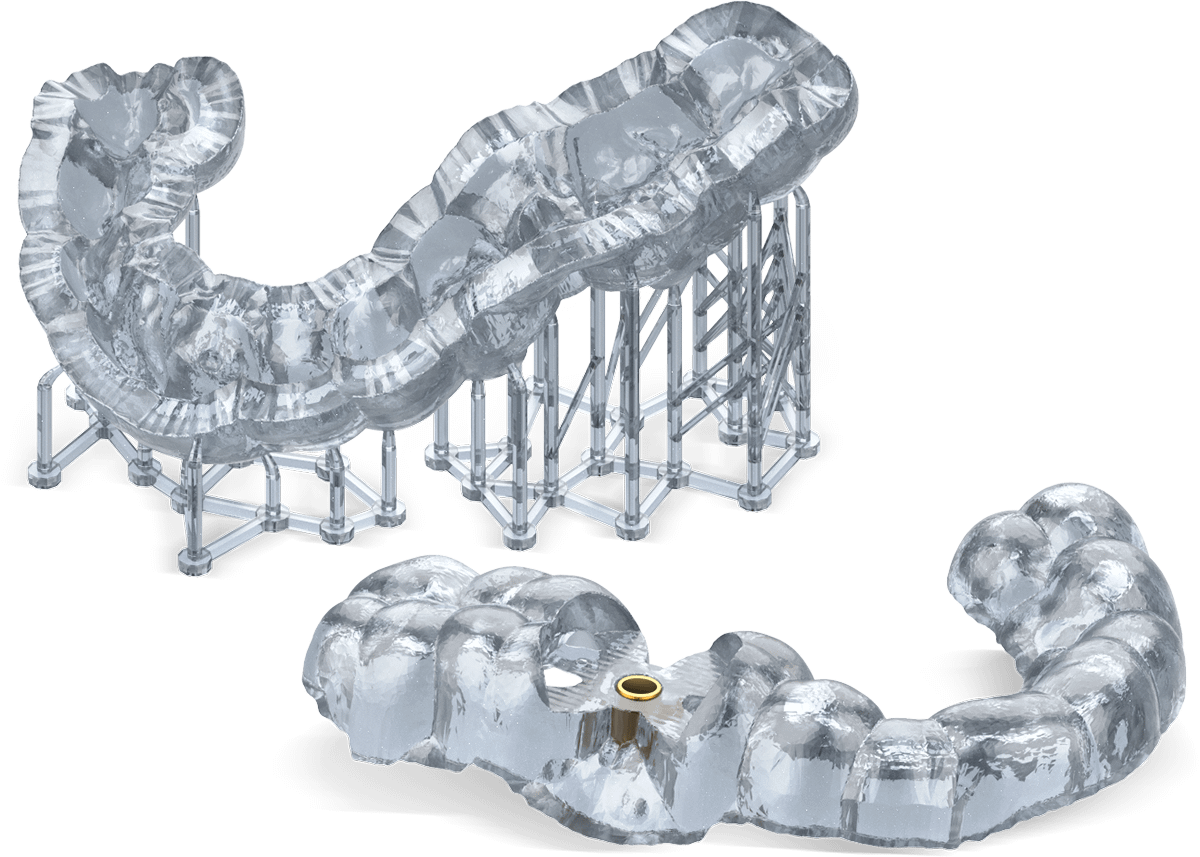
The equipment quote is never the whole cost, and this is where a lot of otherwise sound math quietly falls apart.
Training time is real time. Learning a new design software or a new printing workflow takes weeks of practice before you are working at a competent, repeatable pace, and every hour of that learning curve is an hour not spent on paying cases.
Failed prints and remakes are part of the tuition, not an occasional accident. Early on, you will scrap material, redo designs, and reprint parts that did not come out right, and every one of those has a real material and time cost that a lab fee comparison sheet never shows.
Software subscriptions, resin or disc storage, post-processing equipment, and the ongoing maintenance a mill or printer needs all sit underneath the headline equipment price. None of them show up in a demo. All of them show up in your actual monthly costs.
Build a buffer for all of this into your numbers before you decide anything. If the case for going in-house only works when everything goes right from day one, it is not actually a strong case.

Know what’s next in dentistry. Before everyone else.
The innovations, clinical insights, and digital trends that matter - curated by iDD and delivered straight to your inbox every week.
Running your own numbers
Here is the honest version of the exercise, stripped down to what actually matters.
List your monthly case volume by unit type, using real numbers from your own records, not a hopeful projection. Multiply that volume by your current per-unit lab fee to get what you are actually spending on outsourcing today. Estimate your per-unit material cost in-house, adjusted down for realistic yield, not the best-case yield a manufacturer quotes. Add your design time cost or delegation wage, your training ramp-up, and a buffer for early failed units and remakes.
Weigh the same-day convenience separately. It is real, but it belongs in a different column from the pure cost comparison, not folded into it as an assumed saving. Compare the two totals over a realistic time horizon, not the first month, because the first several months of any in-house setup are the most expensive ones you will ever have.
The honest conclusion
The numbers point in different directions for different practices, and that is not a hedge, it is the actual finding.
A high-volume practice doing steady aesthetic and restorative case work, with someone willing to genuinely learn the design and production skills properly, often finds the crossover point arrives faster than expected, and the same-day convenience becomes a genuine practice differentiator on top of the cost savings. A lower-volume practice, or one without anyone willing to commit real time to learning the workflow, often finds the outside lab remains the better deal for years, maybe indefinitely.
Both of those are correct answers. The only wrong answer is skipping the math and buying equipment because it looked good in someone else's case study.
If your numbers say yes, the next question is not which printer to buy. It is whether you and your team actually have the design and production skills to run it well, because the equipment was never the hard part.
Run your own numbers first. If they point toward bringing your lab in-house, the Digital Lab Excellence Collection is where I would send you next to build the skills that make the equipment actually pay for itself. You can also see everything else we teach at the Institute of Digital Dentistry.
Thanks for reading. If you have any questions, please leave them below.