
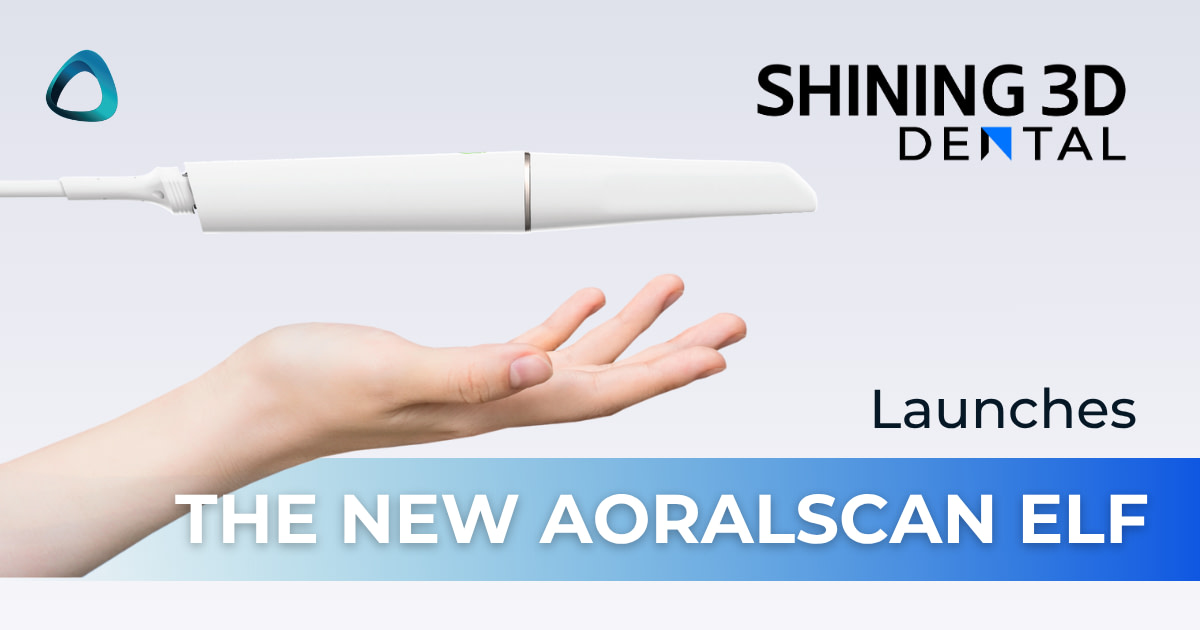

Shining 3D Dental has just announced the Aoralscan Elf, with one of the key messages being that it is one of the lightest intraoral scanners available at just 106 grams. This represents Shining 3D's third scanner release following the Aoralscan Elite and Elite Wireless.
The Elf appears to be designed to leverage the established Elite scanning technology and architecture while targeting a different price segment, thereby expanding its addressable market. This new scanner costs around 12k USD.
The launch also includes two significant software additions - IntelliBite for AI-driven occlusal capture and an Intelligent Plaque Management Suite for preventive care workflows.
Following the success of the Aoralscan Elite, the company continues to double down and aggressively compete in the IOS market. Let's go over all the details.
Hardware - Prioritizing Ergonomics
Why is it called Elf?
It's an acronym that Shining 3D says stands for - Ergonomic, Lightweight, and Functional.
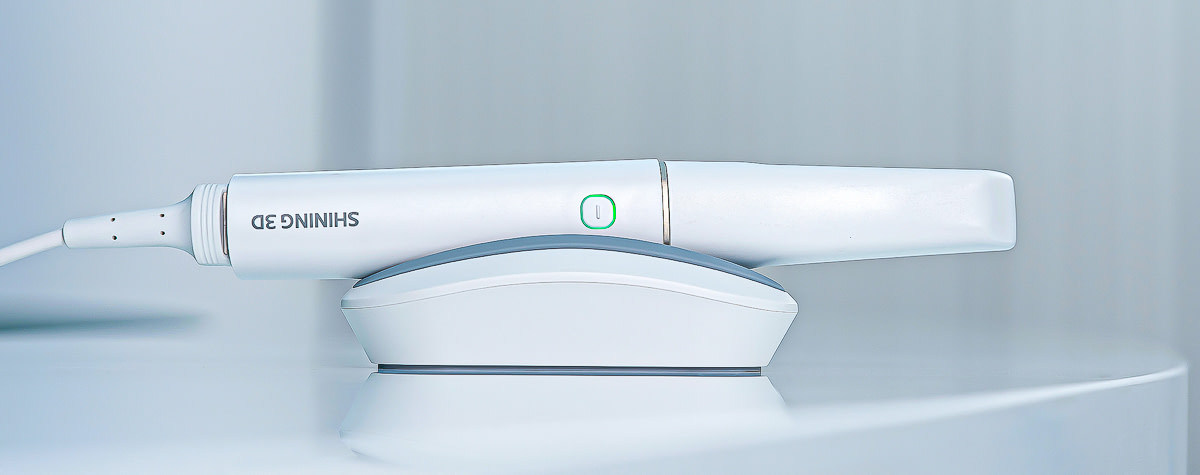
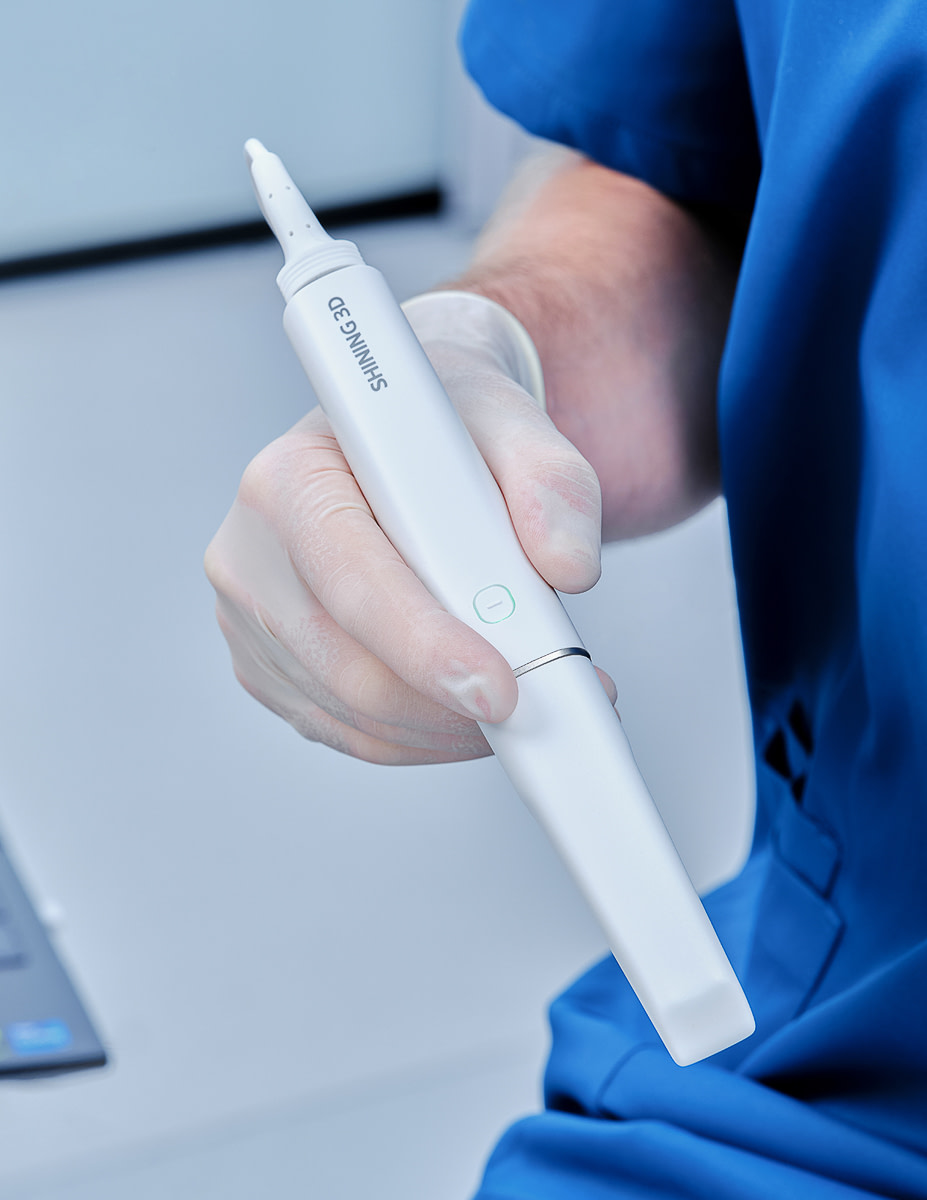
At a frankly impressive 106 grams, this makes it the lightest modern scanner that comes to mind. Much lighter than an iPhone.
How does it achieve an even lighter weight than the original Elite? My guess is the build material mainly. The metal exterior of the original Elite has been replaced with plastic, similar to other iOS devices. It is nice to see how this company continues to reduce the weight of its scanners. They already have one of the lightest wireless scanners, the Elite Wireless (a full review is coming this week). The extra lightweight will undoubtedly be a welcome addition to the Elite family of scanners.
Additionally, the scanner cradle differs from other Elite scanners, as it is more of a classic 'scanner cradle' design. Otherwise, it appears to be the exact same scanner, just more economical and lighter. Also, no intraoral photogrammetry (IPG). More on that below.
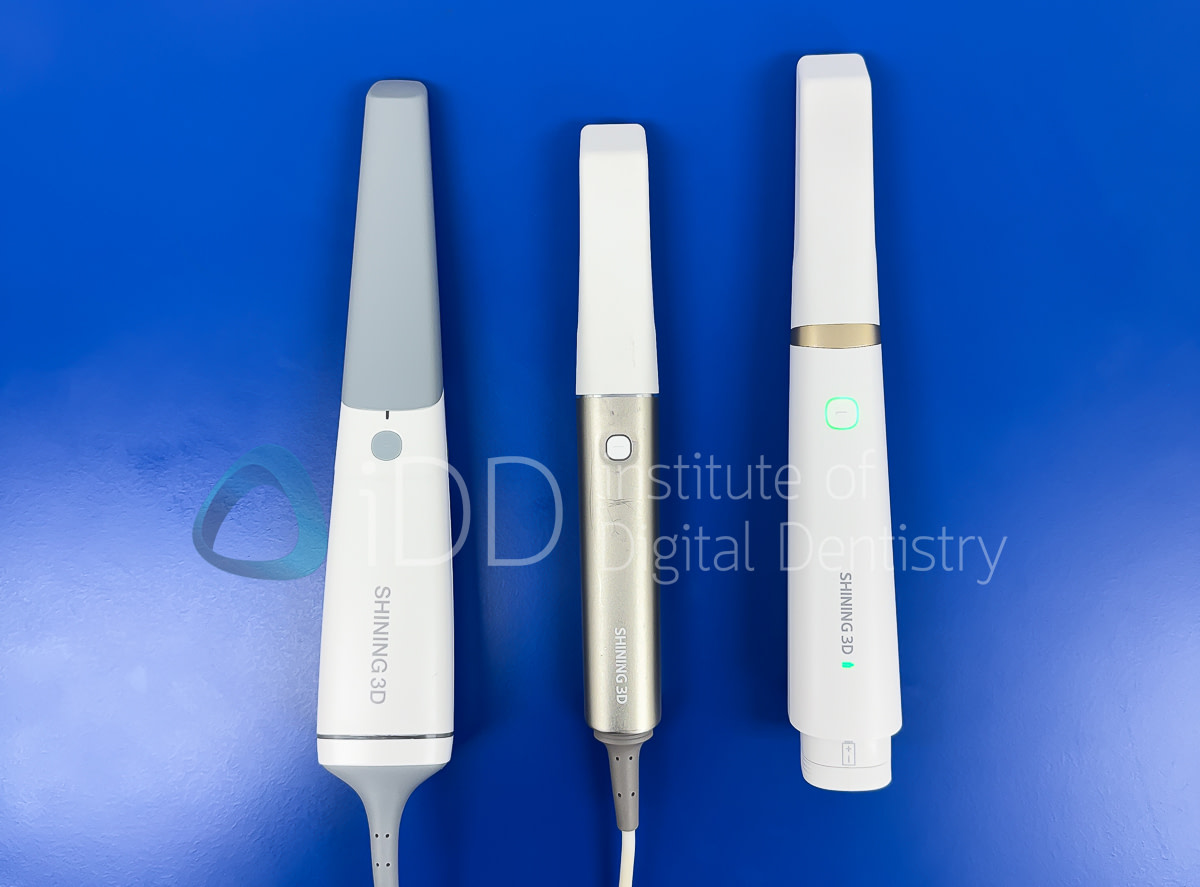
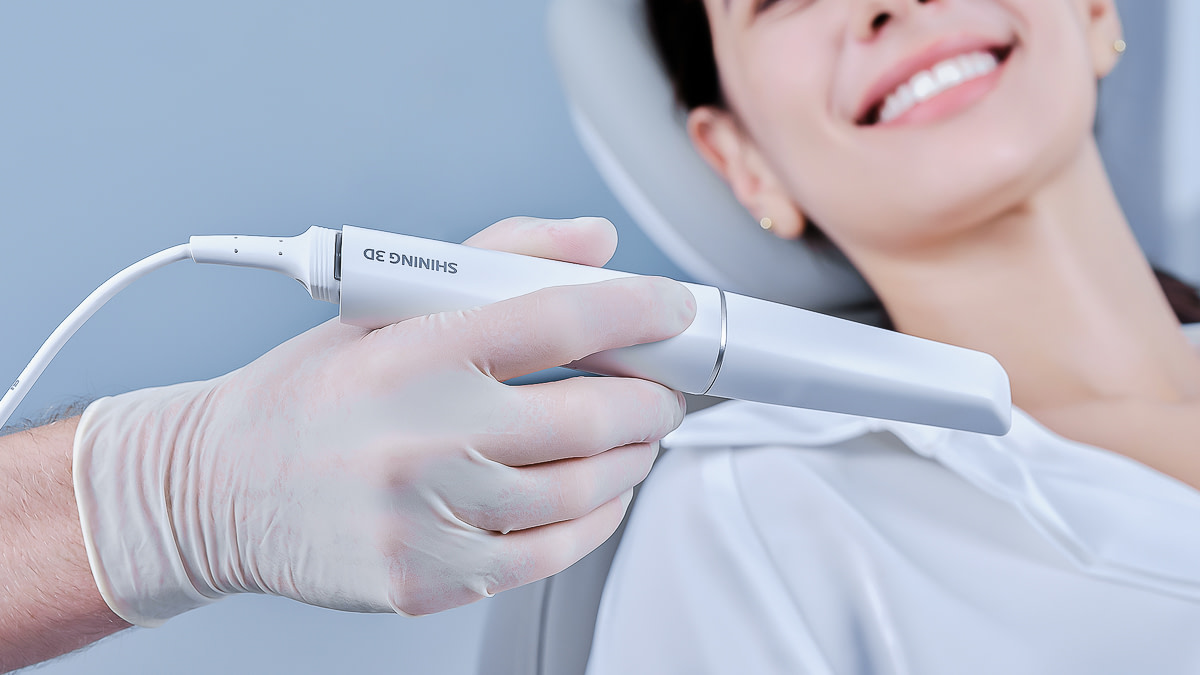
The scanner utilizes a single Type-C connection, eliminating the need for an external power box, unlike the Aoralscan 3. It is the same as the original Elite - simply plug it in and you can start scanning.
Three tip sizes ship with the system, just like the other Elite scanners - Mini for pediatric cases, Normal for general restorative work, and "Big" for edentulous and implant scanning.
How is it different?
Simple. The Elf is a Shining 3D Aoralscan Elite, but at a lower cost, without the IPG kit and functionality.
Otherwise, it is essentially the same scanner. For those interested in the Elite but not in restoring full arch implant cases, this is likely the Shining 3D scanner they should consider. This release reminds me a lot of the Medit i600 release, which was a lower-cost alternative to the Medit i700, but essentially the same tech.
The RRP of the Elf is $11,999 USD - prices vary by region, of course. This will no doubt put pressure on other mainstream scanner companies. I look forward to seeing how they will respond.
The Elf is therefore significantly more affordable than the Elite and Elite Wireless. In my opinion, this scanner also effectively replaces all previous-generation entry-level Shining 3D scanners, such as the Aoralscan 3. Based on the Elite scanner, which we have extensively tested, the Elf is its successor and superior to the previous generation Shining 3D scanners in almost every way.
Market Context - Building on Elite Architecture
The Aoralscan Elite has established Shining 3D's technical credibility in mainstream markets over the past two years, delivering scanning performance that directly competes with established brands. The IPG system rocked the industry and disrupted photogrammetry. The Elite Wireless then demonstrated its ability to execute on wireless mobility while maintaining that performance baseline.
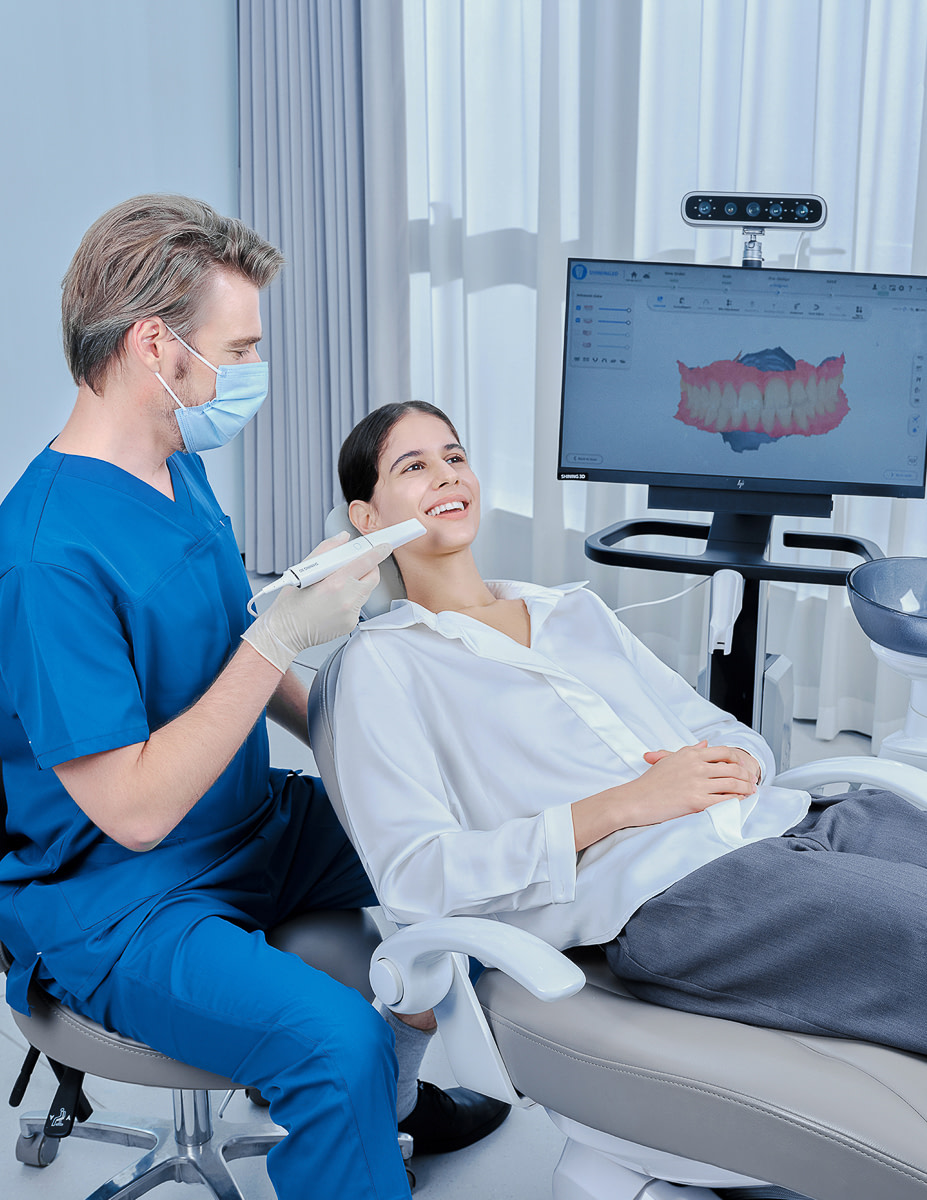
The Elf represents an expansion of that product line - taking proven technology and optimizing it for different market segments. This three-tier approach (Elf, Elite, and Elite Wireless) offers practices multiple price entry points, tailored to their specific needs and budget constraints. Multi-scanner practices, in particular, may find value in maintaining software consistency across different price points. As mentioned, those who have no interest in full arch implant restoratives will likely be pleased with this release.
However, the company wasn't done yet with its release announcement, as it also launched some new and interesting software...
IntelliBite - Addressing Digital Occlusion Accuracy
Digital bite registration remains one of the more annoying aspects of intraoral scanning workflows. We all know how frustrating it is to take a bite scan and then notice intersections or incorrect bites. Ask your local dental lab; they know for sure.
Now, this is not to say the device is at fault, as I personally believe it is a combination of bite algorithms in the scanner software across the industry, along with poor technique / not paying attention, and examining scans before sending them to the lab. Workarounds to this issue included BiteFinder, an AI software tool that labs use to correct the bite.
Well, Shining3D is recognising this and trying to solve it. Their new "IntelliBite" feature combines software upgrades with what they describe as "intelligent bite refinement algorithms" to improve occlusal capture accuracy. The goal here is straightforward: reduce the gap between digital bite records and actual intraoral contact patterns without requiring manual adjustment.
If IntelliBite delivers on this promise, it will hopefully result in fewer post-delivery occlusal adjustments and lower remake rates.
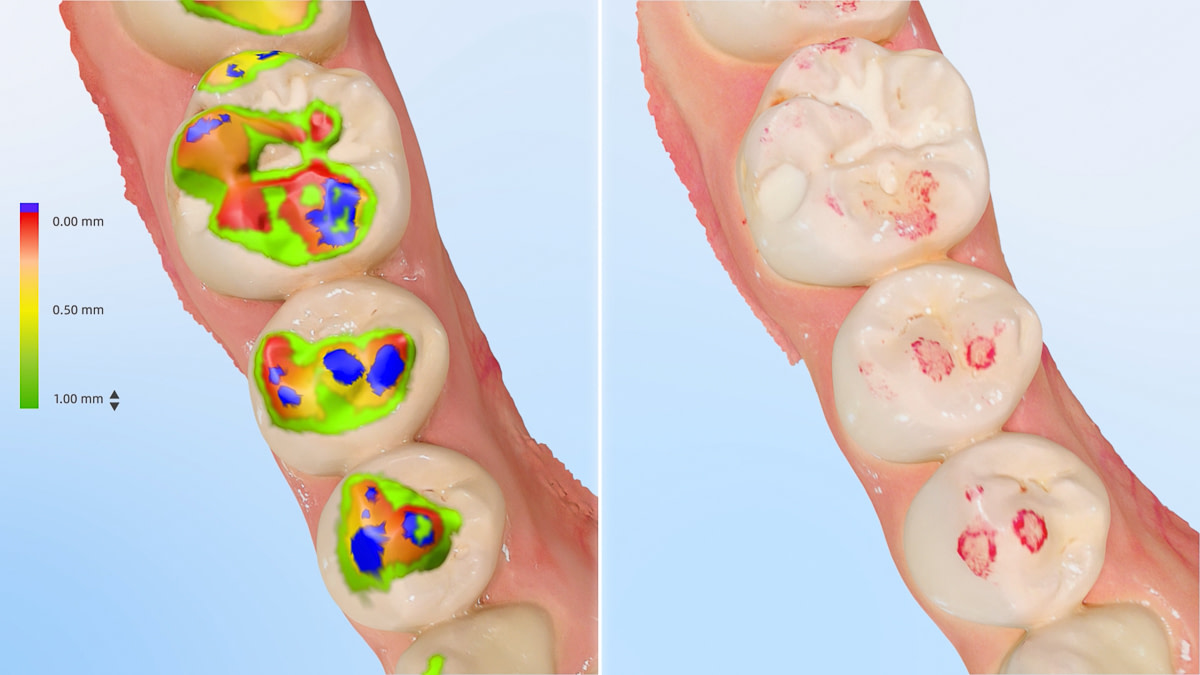
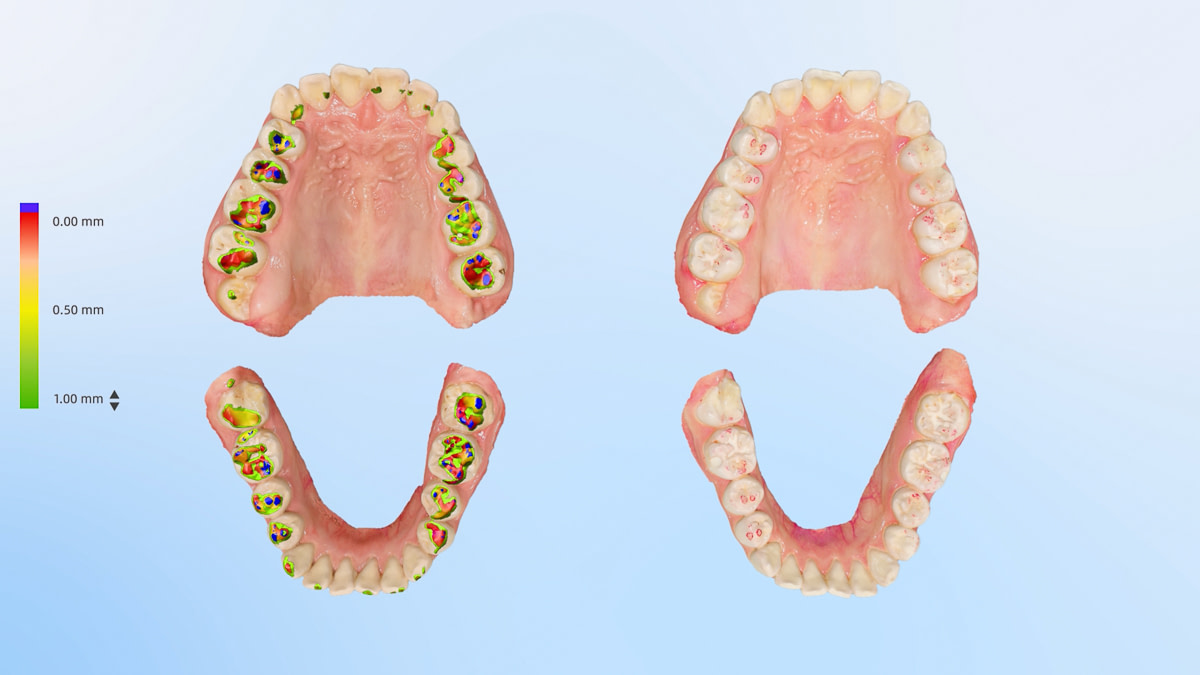
The company claims that it "reaches the level of articulating paper without manual correction," which is a bold claim. If they can pull it off, it could be just another reason why their scanners will continue to be popular.
Notably, Shining 3D is making IntelliBite available across its scanner lineup rather than reserving it for premium models. This suggests they're using software features to add value across their entire product range rather than creating artificial differentiation.
Intelligent Plaque Management Suite - Preventive Care
Another interesting addition is the Intelligent Plaque Management Suite, which represents Shining 3D's entry into preventive care workflows, using AI to convert plaque visualization into quantifiable data during routine intraoral scans.
To me, this is undoubtedly in response to the 3Shape TRIOS 6 Diagnostic Suite, which includes plaque detection. There is a difference that is important to understand. 3Shape utilizes AI to identify whether plaque is present based on the scan. But Shining 3D's software takes a different approach.
With their workflow, you apply plaque disclosing tablets or liquid, and then take a scan. Then, the AI identifies the dyed area on the teeth and offers ratio analysis, longitudinal comparison reports between visits, and mobile sharing capabilities for patient education.
This is probably more accurate than AI trying to pick up plaque from a scan alone, but of course, it does not get around the fact that you still need to dye the patient's teeth, which is something 3Shape is trying to get around the nuisance of for the patient.
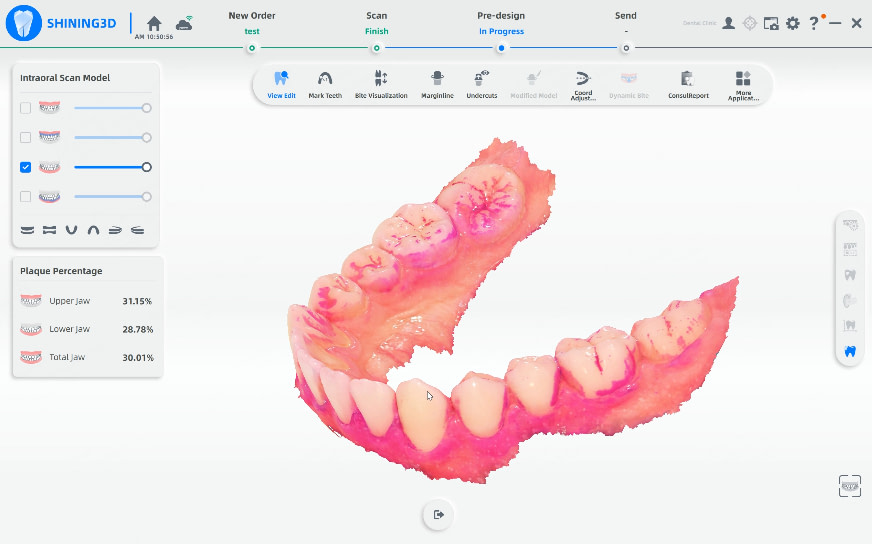
On this topic, a friend of mine in Japan shared his work with Noriko Yoshikubo (Chief Dental Hygienist at Koike Dental Clinic). They helped develop this feature, in collaboration of Shining3D, which digitizes the Plaque Control Record (PCR).
"This function allows the oral cavity to be scanned after disclosing, making residual plaque clearly visible through objective numerical values and color mapping. In a case conducted at our clinic, we found that numerical visualization through the “Disclosing Scan” led to quicker patient understanding and stronger motivation for improvement compared with the conventional plaque dyes. In particular, the experience of “seeing one’s own plaque deposits in real time” heightened patient interest in oral hygiene and fostered the habit of consistent self-care." This has some interesting impacts on IOS, which has traditionally been centered on prosthetic and restorative treatments; it is now gaining a new role in preventive care.
Whether this gains clinical traction will depend largely on whether the data generated meaningfully influence patient behavior, thereby justifying the additional scanning time. The concept is great; it's frankly nice to see them innovate with a new workflow. Quantified plaque data should, in theory, enhance patient compliance compared to subjective feedback; however, its actual value will be determined by real-world adoption.
Broader Implications for the IOS Market
The Elf adds another option to an increasingly diverse intraoral scanner market. For practices evaluating scanner investments, it represents access to Shining 3D's established software platform at a more accessible price point than the Elite series, while still getting the benefits of that amazing scanner.
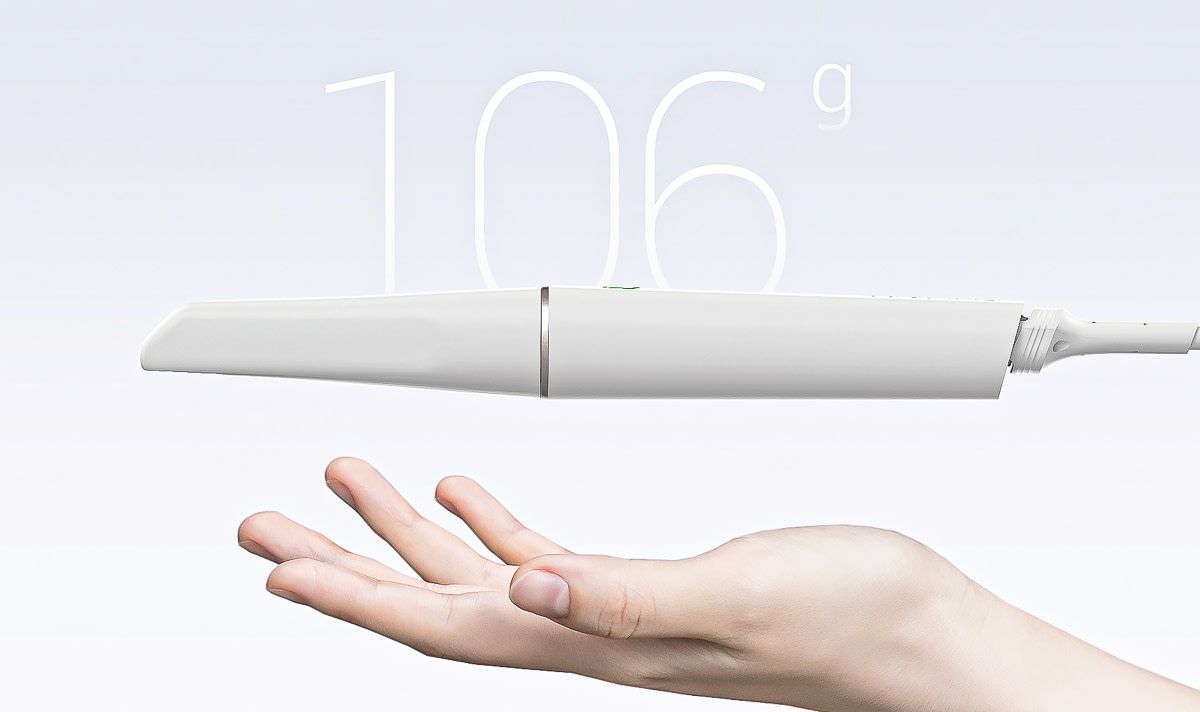
The 106-gram weight specification puts it easily amongst the lightest scanners available, if not the lightest on the market right now. For practices already invested in Shining 3D's ecosystem, the Elf also provides a lower-cost option for secondary scanning stations while maintaining software consistency.
The pattern we've observed in emerging markets, where Shining 3D and other Chinese manufacturers have been systematically displacing more expensive Western brands through regional adaptation and aggressive pricing, appears to be accelerating in developed markets as well.
It is going to be an interesting 2026 ahead as this company doesn't seem to stop releasing products. The rate of development from Chinese companies is staggering.
What are your thoughts? Leave them in the comments below.