

São Paulo's CIOSP (International Dental Congress of São Paulo) 2026 wrapped up a couple of weeks ago, and having attended major dental exhibitions across Dubai, Malaysia, Europe, and North America, I was curious to see how Latin America's premier dental event would compare.
With over 100,000 attendees and hundreds of exhibitors, CIOSP stands as one of the world's largest dental gatherings, yet it revealed a distinctly different approach to digital dentistry adoption than what I've observed in other emerging markets.
Let's go over everything interesting at this event.
A Uniquely Brazilian Focus - Facial Aesthetics
Walking through CIOSP's exhibition halls, one trend immediately differentiated this show from every other dental event I've attended globally - the overwhelming presence of facial aesthetics, dermatology, and injectable treatments.
Botox suppliers, dermal filler manufacturers, facial rejuvenation devices, and aesthetic training programs commanded significant floor space throughout the venue. I've never seen such a concentration of aesthetic-focused exhibitors at a dental event. This wasn't just a few booths tucked in a corner; facial aesthetics appeared to occupy a substantial portion of the exhibition space, reflecting Brazil's cultural emphasis on beauty.
Want more of the latest in dentistry?
Join the RAPID community
and get insights straight to your inbox.
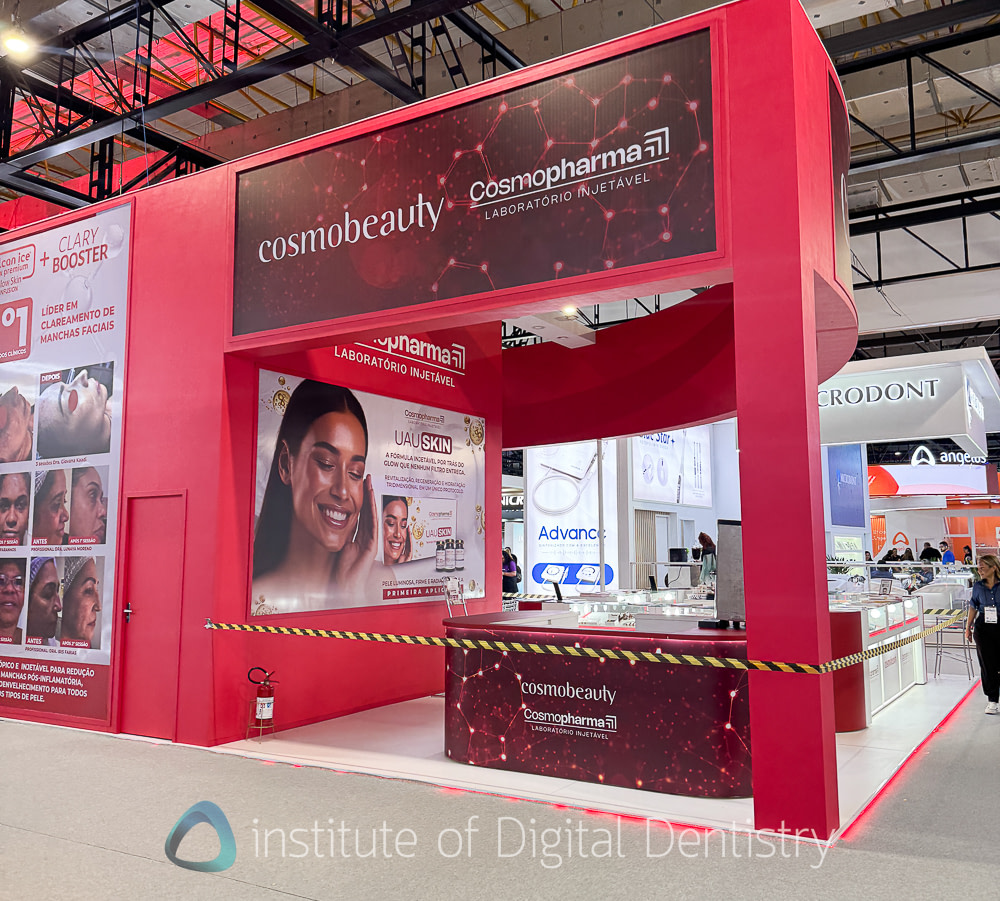
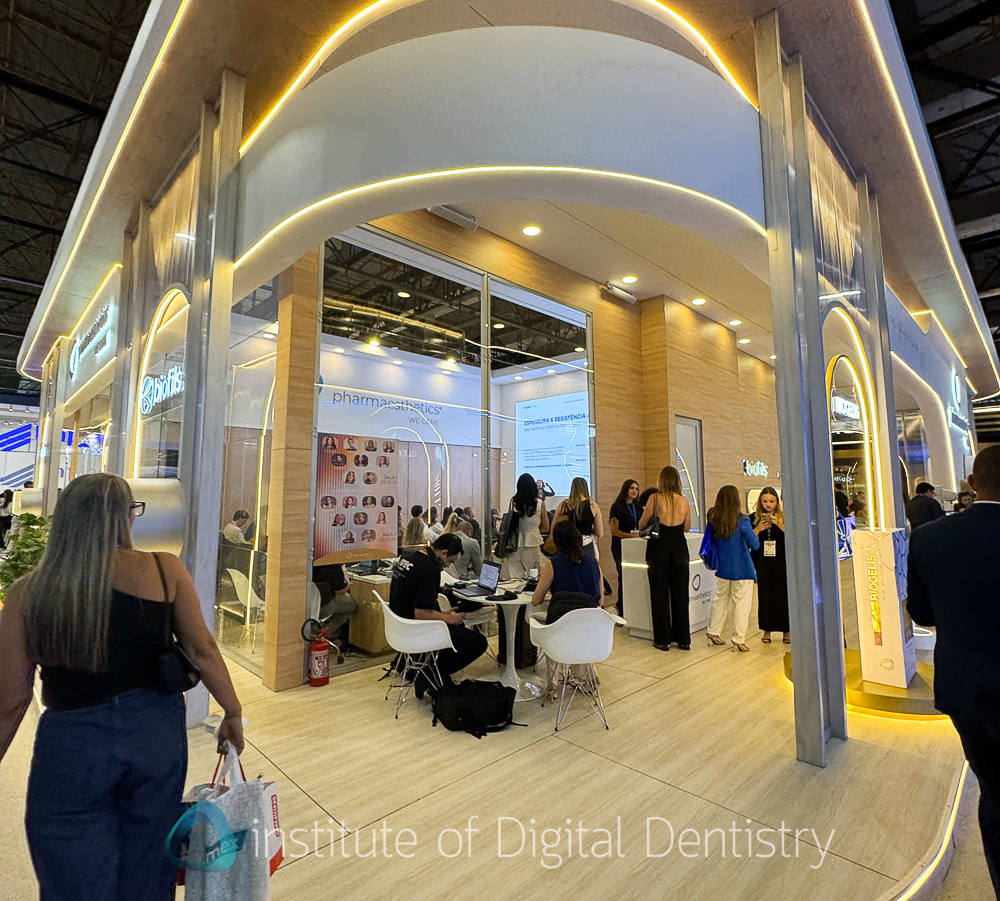
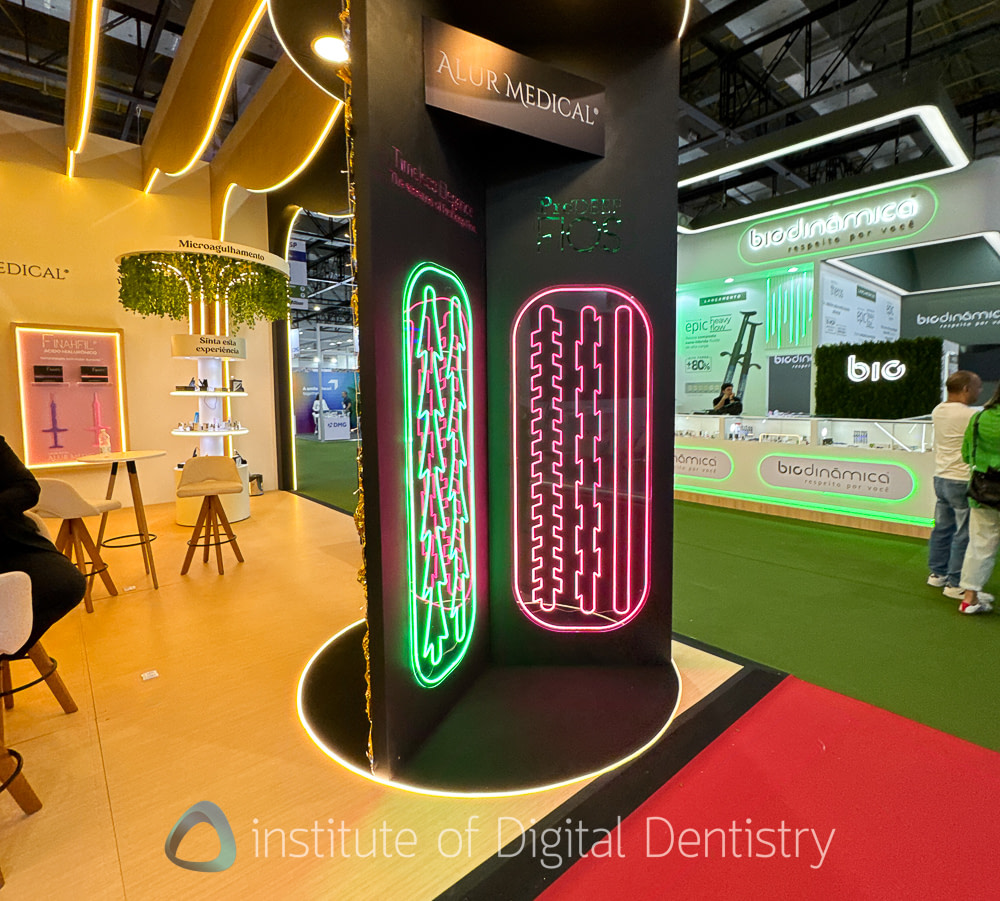
This integration of dentistry with broader facial aesthetics demonstrates how Brazilian dental professionals expand their scope beyond traditional dentistry. The market clearly sees facial aesthetics not as an add-on but as a core component of comprehensive patient care.
For those familiar with Brazil's position as a global leader in cosmetic procedures, this emphasis makes perfect sense, but for someone who regularly attends international dental shows, it was remarkable to see just how prominently these technologies featured at what is ostensibly a dental congress.
Will this become more commonplace in the future across more markets?
Implants, Aligners, and Digital
Beyond facial aesthetics, CIOSP 2026 revealed what appear to be the two other pillars of Brazilian dentistry: implants and clear aligners.
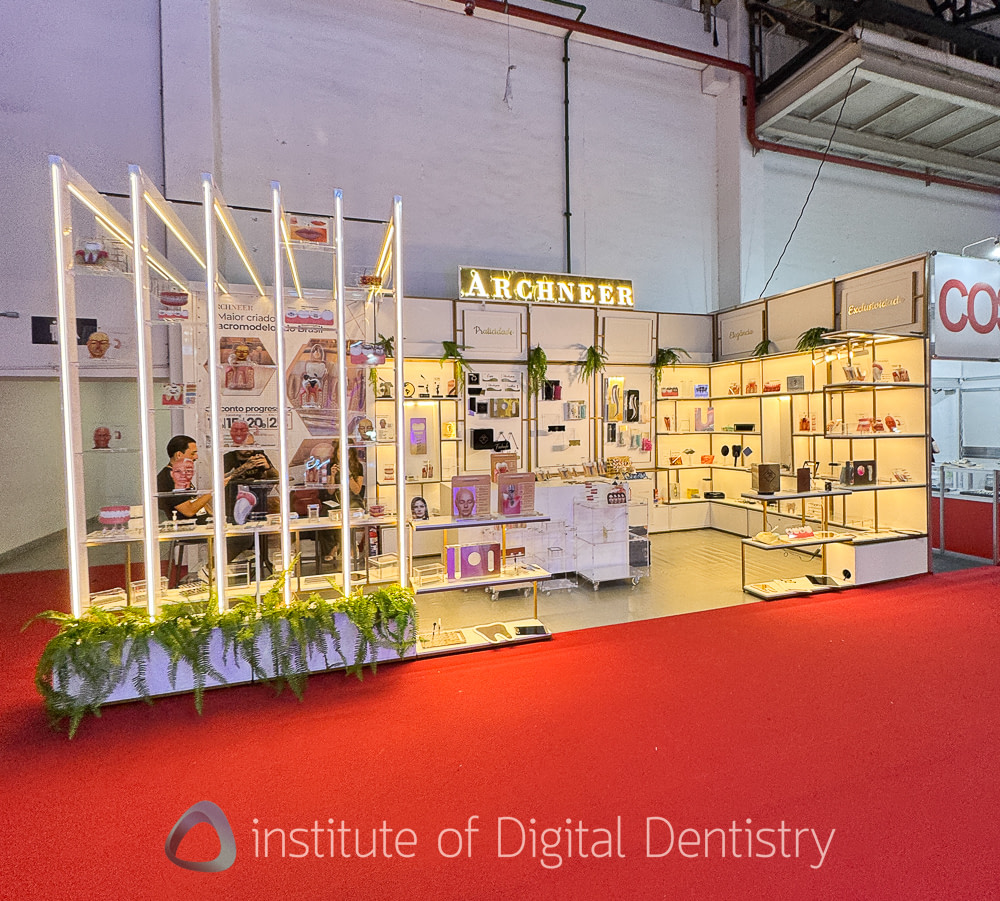
Implants commanded significant exhibition space, with a fascinating mix of both international powerhouses and local Brazilian manufacturers competing for attention.
What struck me was the sheer number of implant brands on display - far more than I typically see at other international shows. Both established global players and numerous Brazilian implant companies showcased their systems, suggesting a highly competitive and price-sensitive implant market.
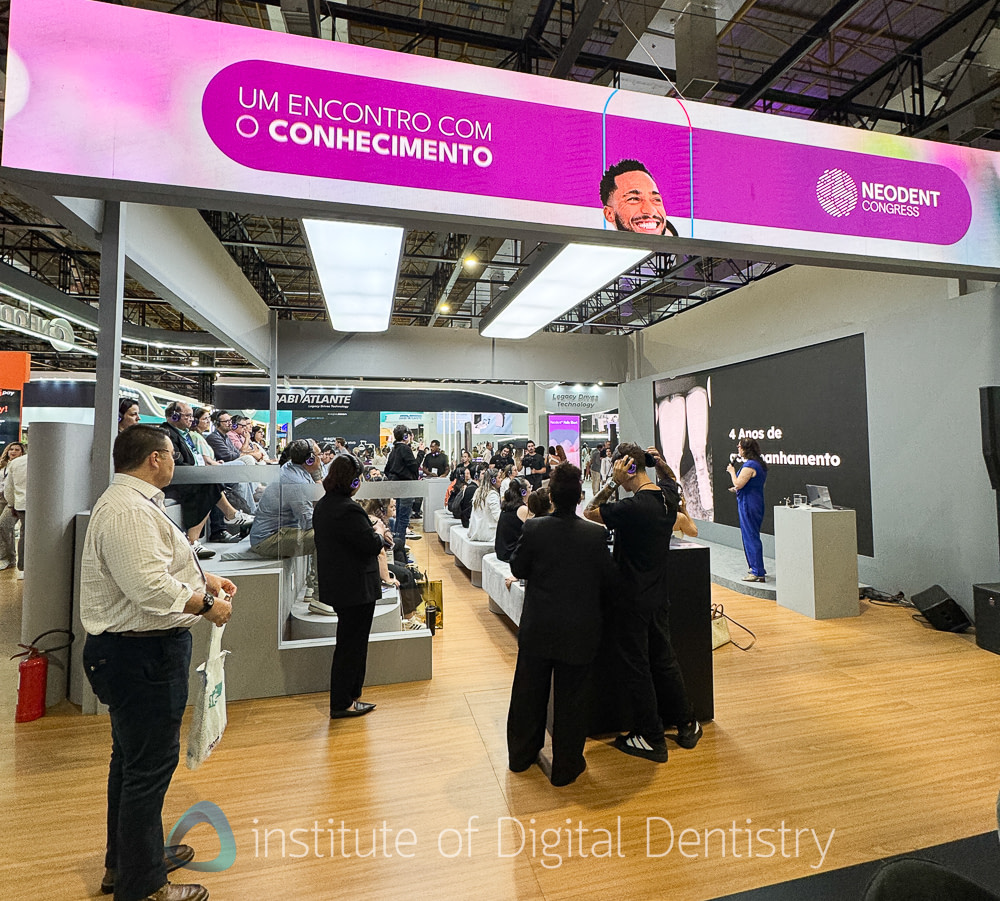
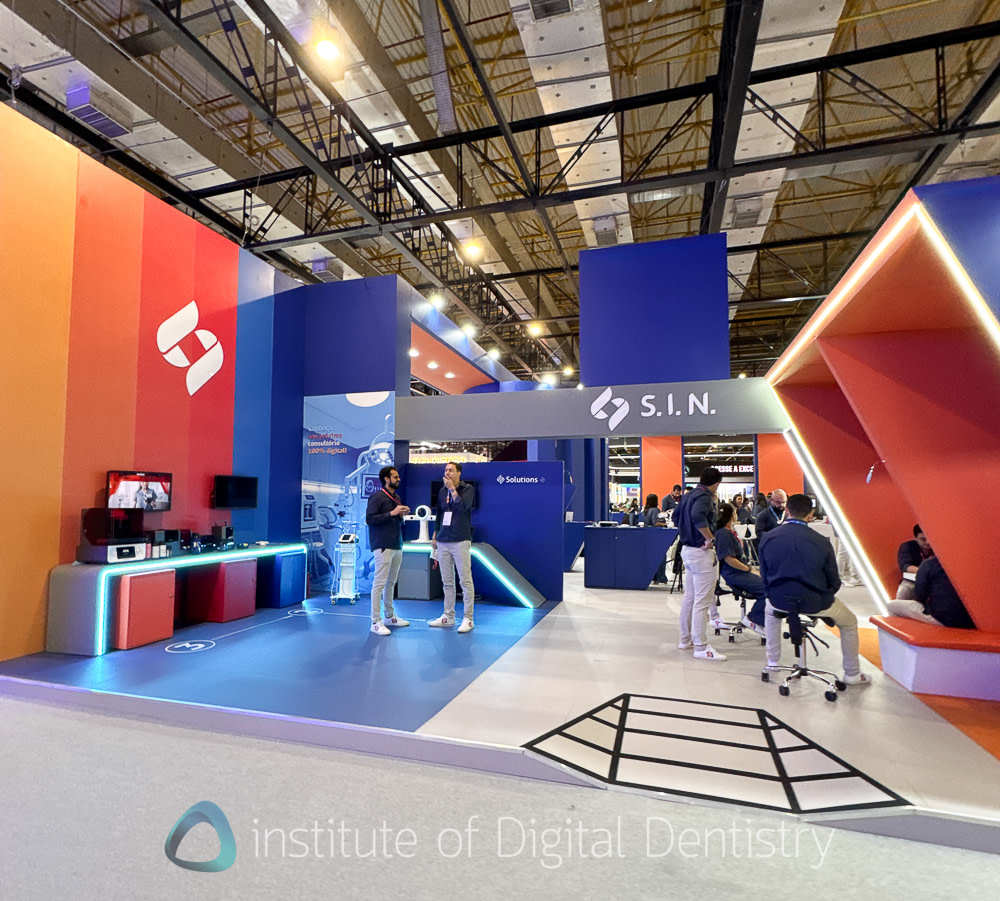
The presence of so many local implant manufacturers demonstrates Brazil's sophisticated dental manufacturing capabilities. These aren't simply distributors of international brands; they're companies that produce their own implant systems, often at far more accessible price points than international alternatives, while maintaining local production, support, and regulatory compliance advantages.
There is also the entire ecosystem around dental implants, including CBCTs, surgical motors, ultrasonic and piezoelectric devices, etc, across many different booths and distributors.
Clear aligners represented the second major focus, with multiple aligner companies, again both international brands and Brazilian providers, featuring prominently throughout the exhibition. The aligner market in Brazil appears robust and growing, with practitioners clearly seeing orthodontic treatment as a significant practice opportunity. A big focus on aesthetics fits hand in hand with aligner treatment.
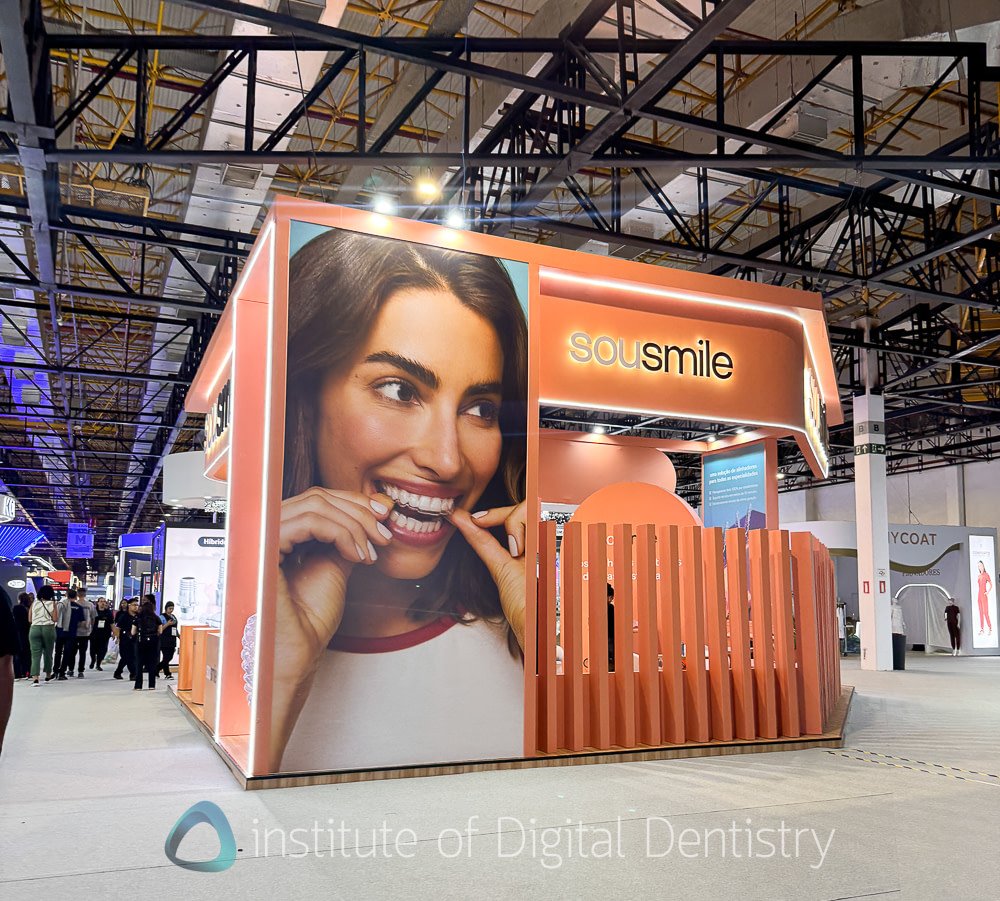
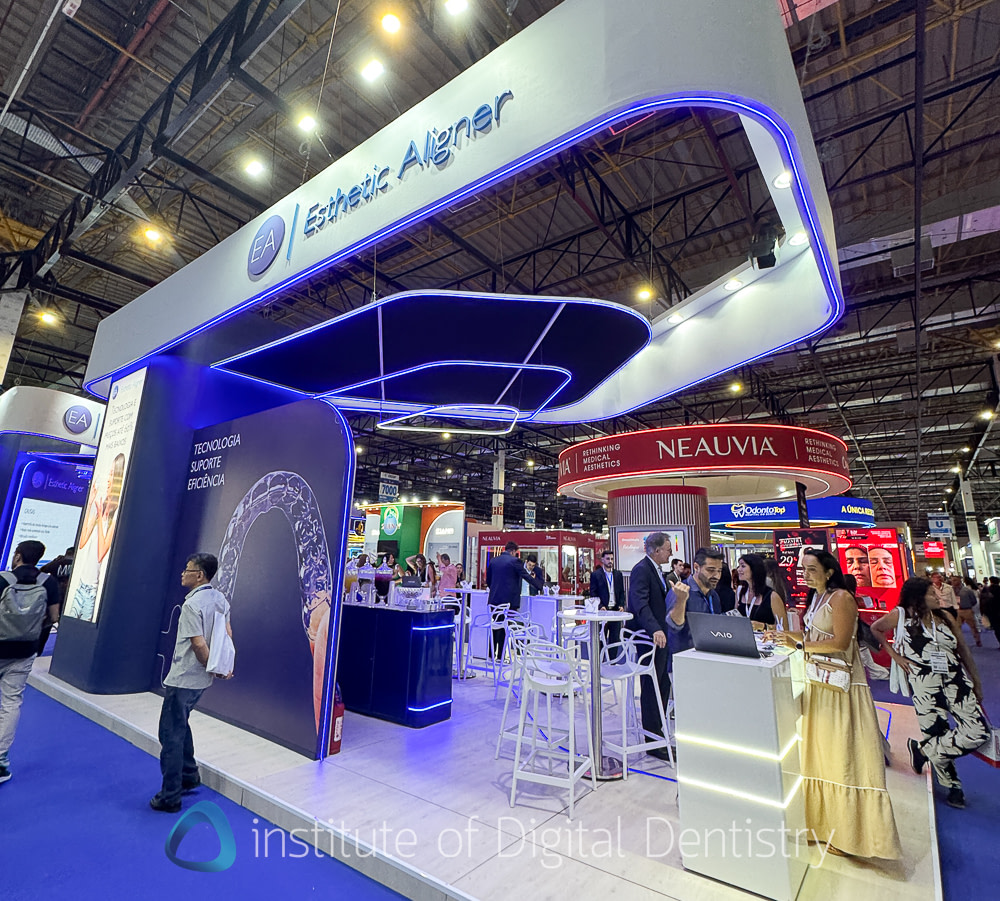
And then there's digital dentistry, which is perhaps experiencing the most interesting growth trajectory. While implants and aligners are established markets in Brazil, digital workflows represent the next frontier, the area where transformation is most actively unfolding and where practitioners are most eagerly seeking education and solutions.
This trinity of focus areas, facial aesthetics, implants/aligners, and digital dentistry, creates a unique Brazilian dental landscape quite different from what I observe at exhibitions in other regions. These aren't isolated technologies but increasingly interconnected workflows, with digital solutions enabling more sophisticated implant planning, aligner treatment, and aesthetic outcomes.
So lets cover digital dentistry...
Distribution-Driven Market Dynamics
One of CIOSP's most interesting characteristics, particularly when compared to events like AEEDC Dubai, was the absence of direct manufacturer booths from many global digital dentistry leaders.
While Dentsply Sirona maintained its own presence, most major international players, including Medit, 3Shape, and others, operated primarily through their Brazilian distributor networks rather than establishing independent manufacturer booths.
This distribution-centric approach reflects the unique challenges and realities of the Brazilian market. Most of the leading printer companies were also not present with their own booths, such as SprintRay, Asiga, and FormLabs Dental. Fascinating.
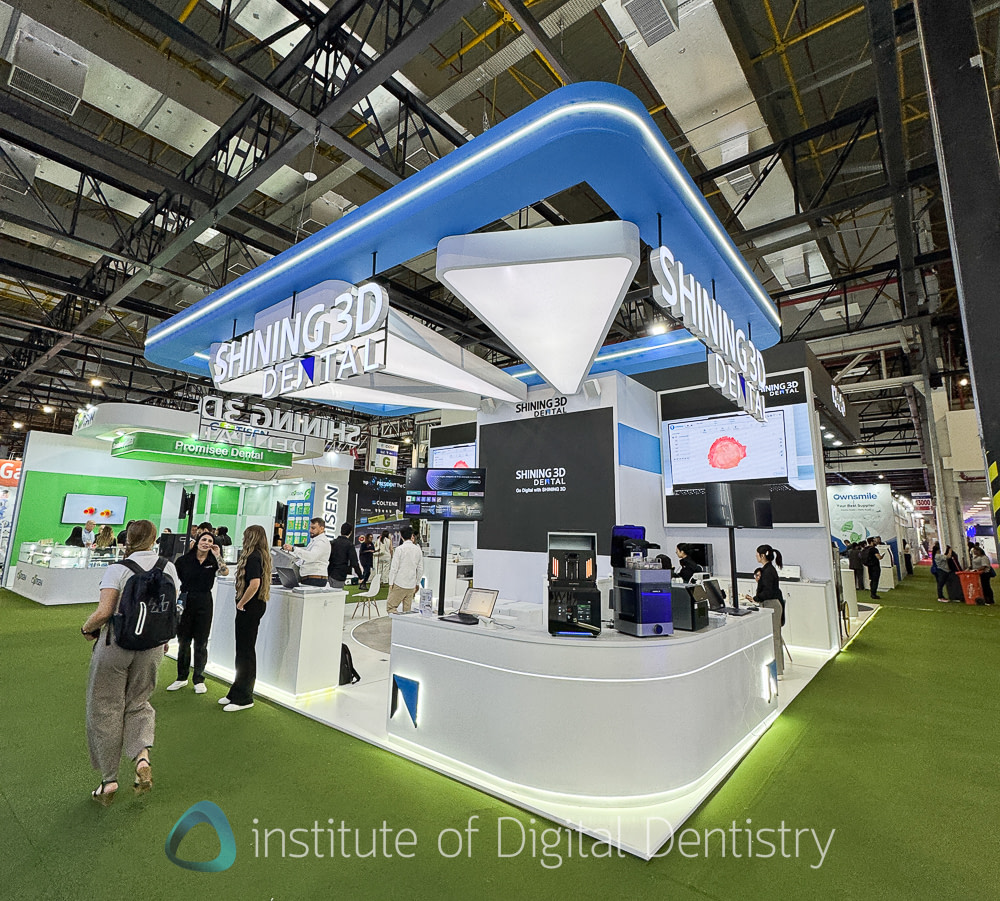
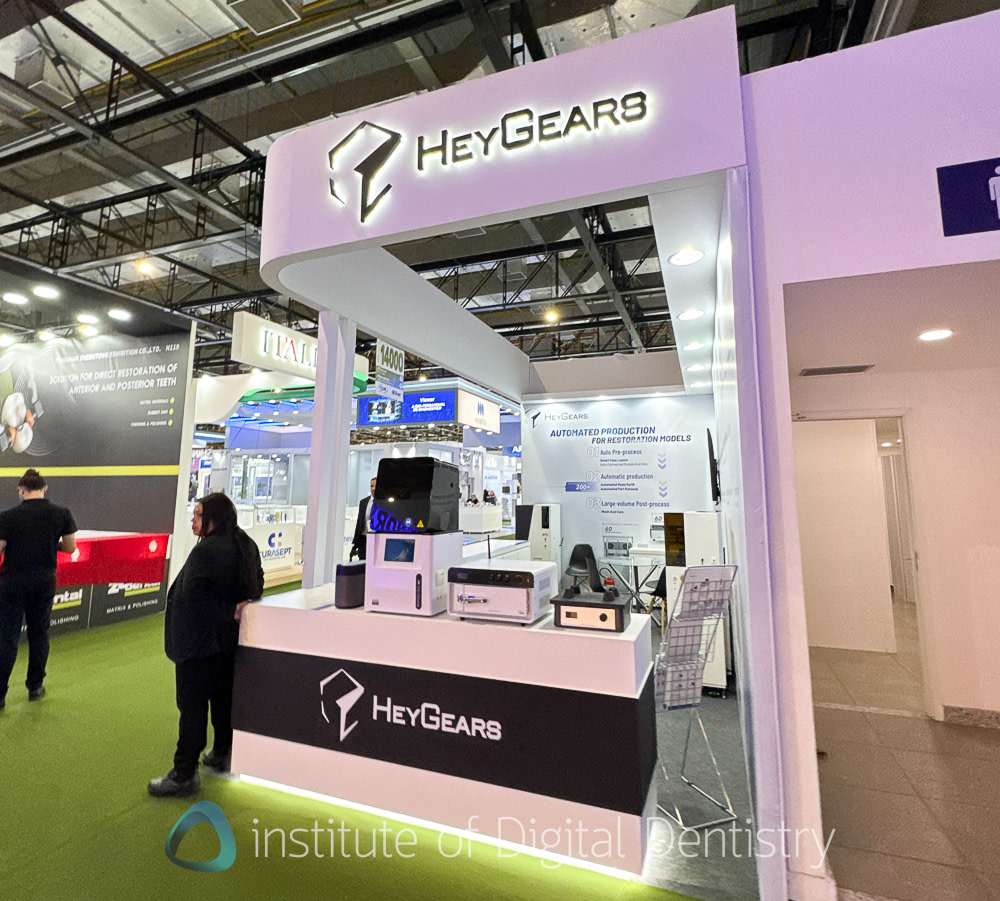
The distributor model dominates here for several practical reasons. Brazil's complex regulatory environment, substantial geographic scale, and distinct market dynamics make strong local partnerships essential for success. These distributors don't just sell equipment; they provide crucial localized support, training, service infrastructure, and market knowledge that international manufacturers would struggle to deliver on their own.
This stands in stark contrast to IDS, Chicago Midwinter, and AEEDC, where manufacturers typically invest heavily in their own impressive booths to demonstrate their global presence and commitment to the region. The CIOSP approach suggests a more established distribution network in which local partners hold significant influence over how products reach the Brazilian market.
The Market Leaders - Who's Winning in Brazil?
Walking through CIOSP 2026, clear patterns emerged: which companies have successfully captured the Brazilian digital dentistry market and which face uphill battles.
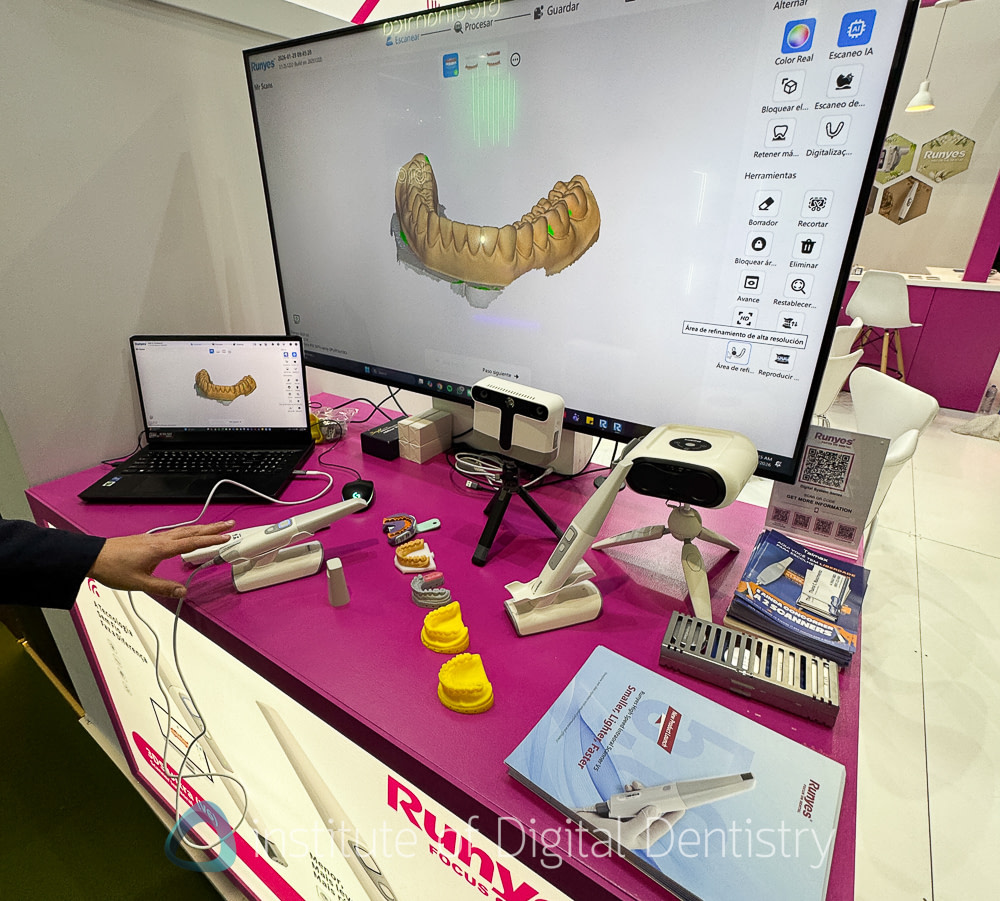
Medit appears to be the dominant force in intraoral scanning, not just in Brazil but perhaps across much of Latin America. Their presence through distributor networks was substantial, and conversations with Brazilian practitioners confirmed what the exhibition floor suggested: Medit has achieved remarkable market penetration in the region. Their combination of capable hardware, exceptional software, and competitive pricing seems perfectly calibrated for the Brazilian market's priorities.

3Shape maintains its presence but faces pricing headwinds. While their scanners are represented in Brazil and certainly have their advocates, their market share appears significantly smaller than what I observe in the United States or Europe. The fundamental challenge is price: 3Shape's premium positioning succeeds in markets with higher purchasing power, creating barriers in price-sensitive regions like Latin America. Their technology is respected, but the required investment keeps many practices out of reach, allowing more accessible alternatives to capture a larger market share.
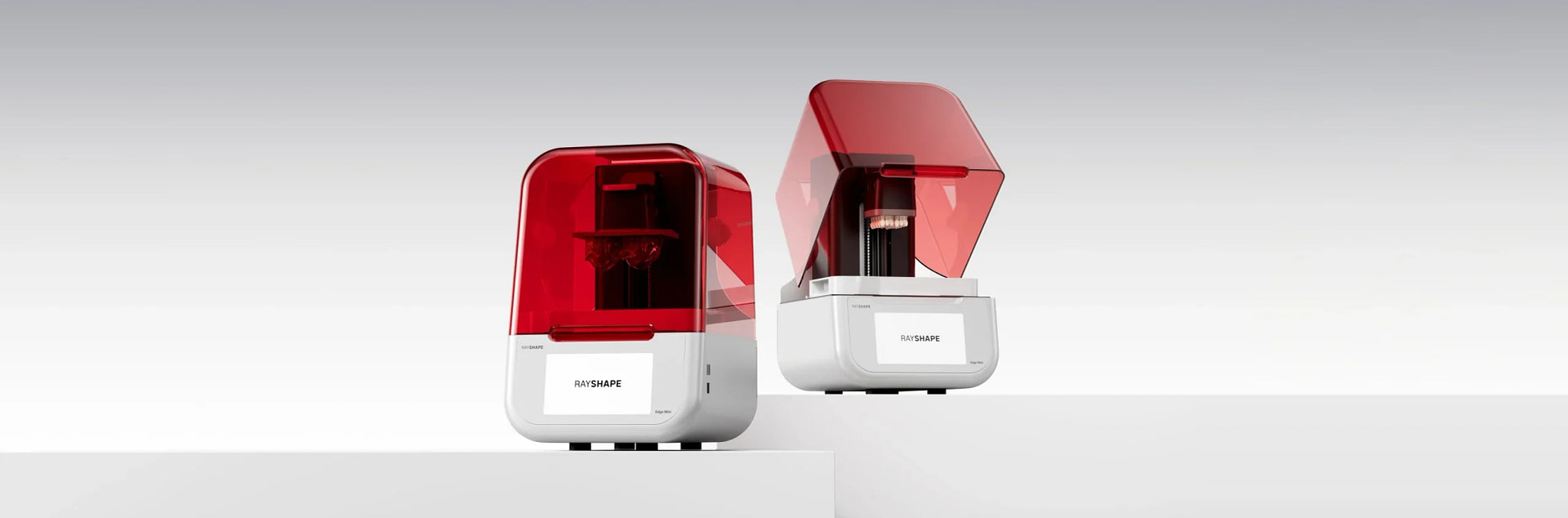
The 3D printing landscape tells a similar story - dominated by accessible, lower-cost solutions rather than premium systems. The exhibition floor featured primarily budget-friendly printers from companies like RayShape, Phrozen, and other cost-conscious manufacturers.
Notably absent were premium chairside printing solutions like SprintRay's Midas, which has gained substantial traction in North American and Middle Eastern markets. The $11,000+ USD price point for comprehensive chairside printing systems appears to exceed what most Brazilian practices can justify, at least for now.
This printer market composition suggests that while Brazilian dentistry embraces the 3D printing conceptually, adoption centers primarily on laboratory applications and entry-level solutions rather than the premium chairside workflows gaining popularity in wealthier markets. The question is whether this represents a permanent market characteristic or simply reflects the current stage of digital adoption, with premium solutions potentially gaining traction as the market matures and ROI becomes more clearly demonstrated.
The entrance of Straumann's SIRIOS X3 and Alliedstar scanners into the Latin American market creates fascinating competitive dynamics. Will Straumann's implant market credibility and comprehensive support infrastructure allow it to challenge Medit's dominance? Can Alliedstar's more accessible price point, combined with Straumann's backing, disrupt the established scanner hierarchy? These questions will define the next chapter of Brazil's digital transformation.
The broader pattern is clear: Brazil's digital dentistry market rewards companies that offer the optimal balance of capability and accessibility, rather than those positioned at the premium end. Success requires understanding that Brazilian practitioners want sophisticated technology but need it at price points that reflect their economic reality, a fundamentally different calculation than markets where practices routinely invest in the latest premium solutions without extensive ROI justification.
The Chinese Challenge - Cultural Barriers to Market Penetration
Perhaps the most fascinating aspect of CIOSP 2026 was how notably less prominent Chinese manufacturers were compared to other emerging markets I've covered.
At MIDEC Malaysia and AEEDC Dubai, Chinese digital dentistry companies commanded substantial exhibition space, often dominating with aggressive pricing strategies and comprehensive product ecosystems.
At CIOSP, while Chinese manufacturers were present, their footprint was significantly smaller, and their market penetration appeared far more constrained.
A Brazilian colleague provided crucial context that explains this phenomenon. From the late 1990s through approximately 2010, Brazil's market was flooded with inexpensive Chinese products characterized by poor quality and limited durability. This period fostered deep-seated skepticism about Chinese manufacturing, which persists despite the dramatic transformation of Chinese dental technology over the past decade.
As my colleague explained, this historical perception became culturally ingrained among Brazilian dental professionals - an association of Chinese products with inferior quality that doesn't reflect today's reality but continues to influence purchasing decisions.
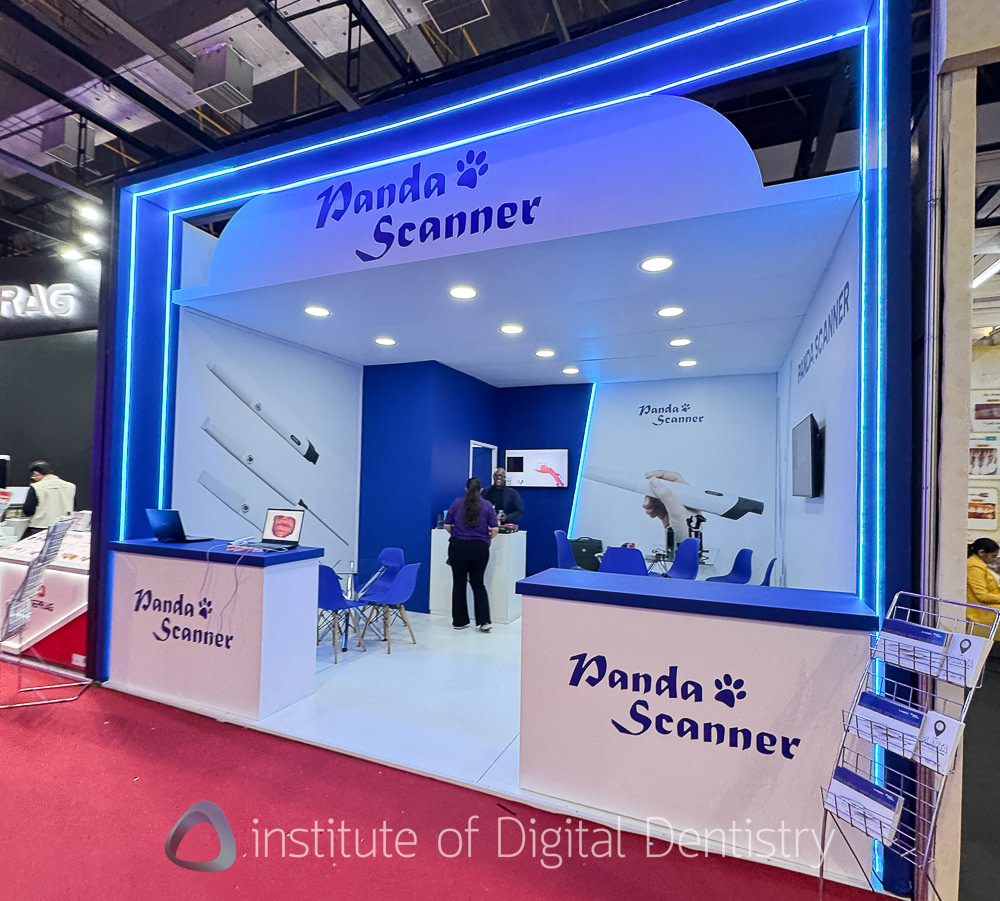
Shining 3D's experience illustrates both the challenge and the opportunity. Having entered the Brazilian market in 2024, they've worked diligently to deconstruct these outdated perceptions. However, their market penetration still lags significantly behind what they've achieved in other regions with similar economic profiles and even in leading markets like the USA.
This cultural dimension creates a fascinating competitive dynamic. While Chinese manufacturers leverage price advantages to rapidly capture market share in Southeast Asia and the Middle East, Brazil's market requires a fundamentally different approach, one built on patience, consistent quality demonstration, and gradual trust-building rather than aggressive pricing alone.
The contrast is striking: the same technologies that dominate in other countries but face cultural headwinds in Brazil, despite similar price sensitivity and digital adoption challenges in both markets.
Want more of the latest in dentistry?
Join the RAPID community
and get insights straight to your inbox.
Digital Dentistry's Growing Footprint - With Caveats
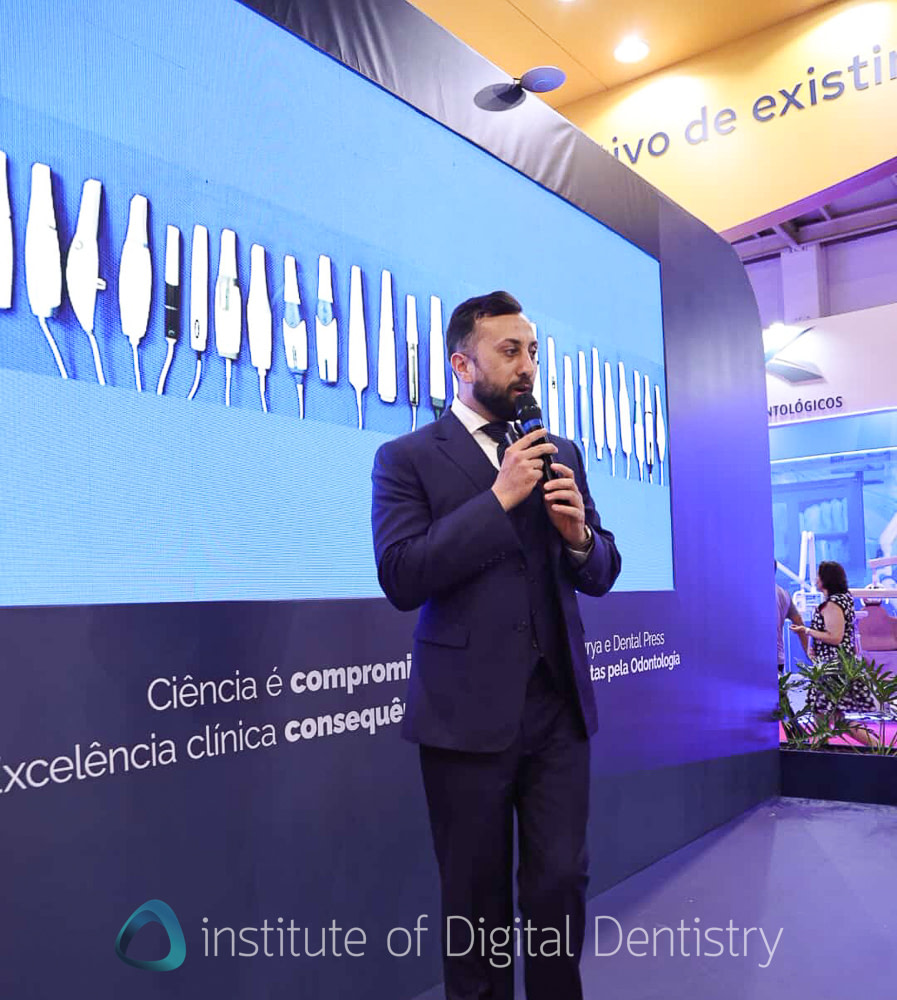
Despite unique market dynamics, digital dentistry clearly commanded significant attention at CIOSP 2026, though adoption rates in Brazil still lag behind those in more digitally mature markets.
Intraoral scanners, 3D printers, CAD/CAM systems, AI, and CBCT units all featured prominently throughout the exhibition halls. The interest from Brazilian practitioners was palpable; attendees engaged seriously with digital workflow demonstrations, asked detailed questions about implementation, and clearly recognized digital transformation as inevitable rather than optional.
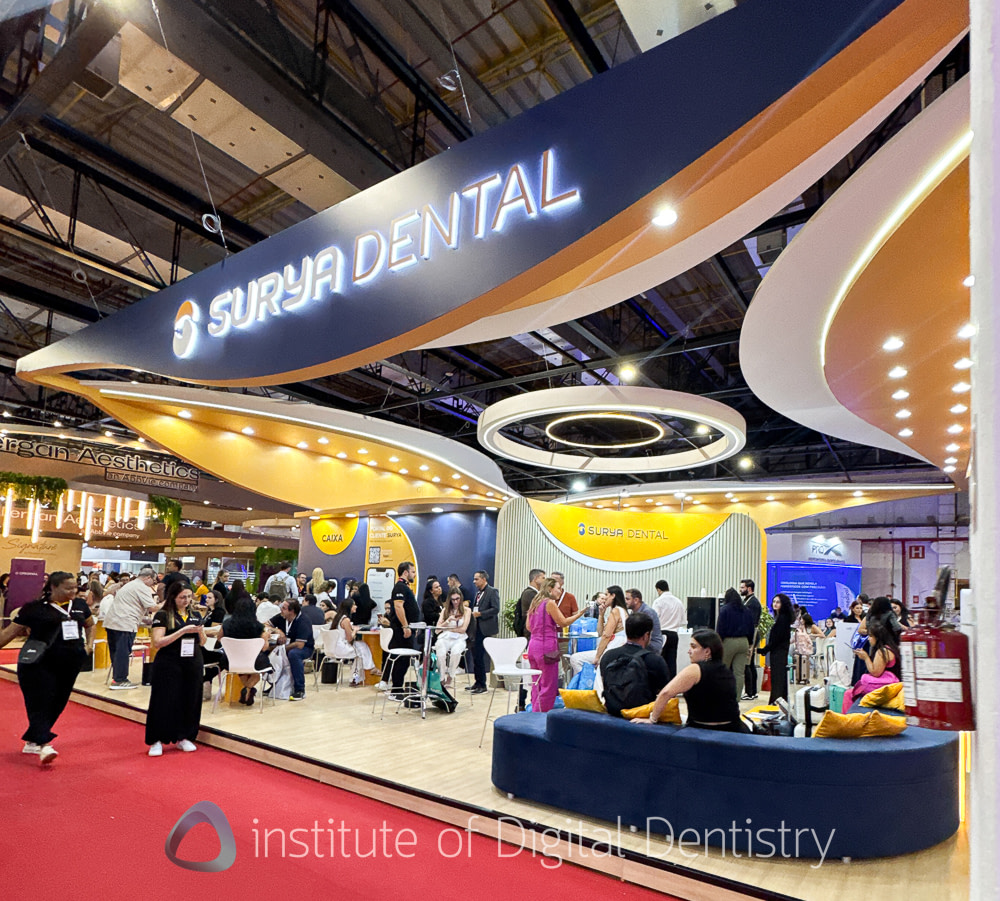
However, the path to digital adoption in Brazil faces obstacles beyond just cost considerations. The country's notoriously complex regulatory environment creates substantial barriers to bringing new dental technologies to market. Product registration processes can stretch for years, meaning that innovations unveiled at international shows like IDS or Chicago Midwinter may take considerable time before becoming available to Brazilian practitioners.
This regulatory reality explains why CIOSP saw basically no "new releases" compared to other major dental exhibitions. Manufacturers simply cannot launch products in Brazil on the same timeline as in other markets, creating a lag between global availability and Brazilian market entry.
Yet despite these challenges, digital dentistry is unquestionably growing in Brazil. The question isn't whether Brazilian dentistry will digitalize, but rather how quickly this transformation will occur, given the unique regulatory, cultural, and economic factors at play.
Straumann's Strategic Latin American Push
One of CIOSP's most significant announcements came from Straumann, which showcased both their SIRIOS X3 scanner and officially launched Alliedstar in the Latin American market.
The SIRIOS X3 represents Straumann's interesting strategic pivot. Unlike their previous scanner offerings, which utilized Alliedstar hardware, the X3 features entirely different exterior hardware and software, a deliberate departure that signals Straumann's intent to differentiate their premium offering from their more accessible Alliedstar brand. I have reviewed the SIRIOS X3 here.
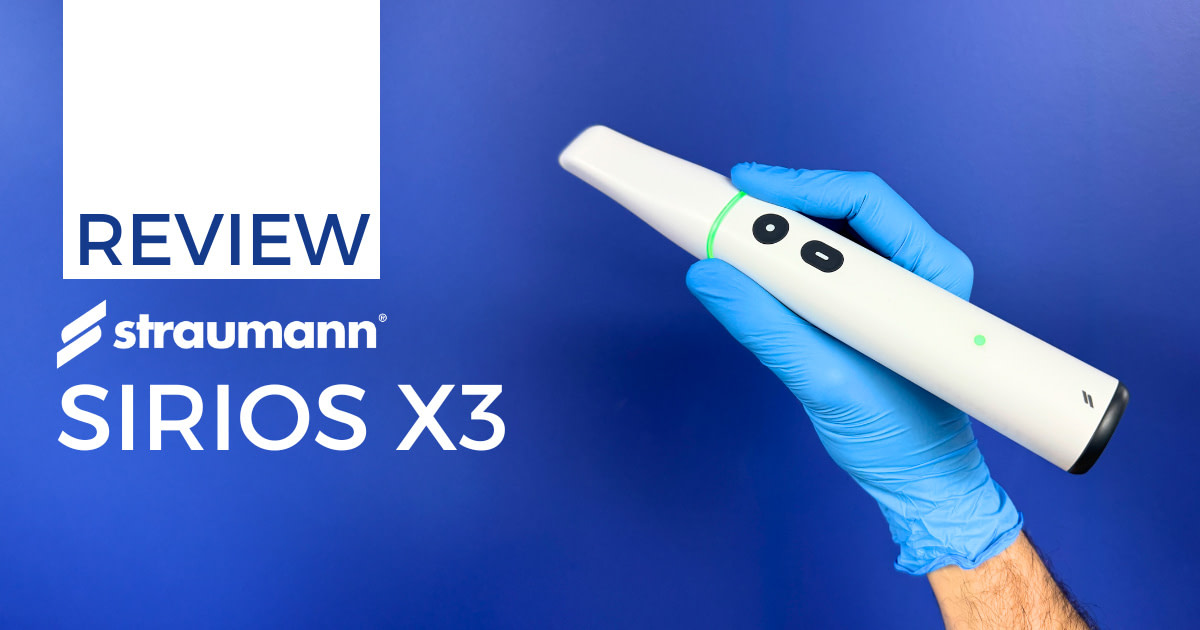
The official Alliedstar launch in Latin America demonstrates Straumann's serious commitment to competing across multiple market segments in the region. By maintaining both premium (SIRIOS) and accessible (Alliedstar) scanner options, they're positioning themselves to capture market share regardless of practice budget or digital maturity level.
This two-brand strategy makes particular sense in a market like Brazil, where price sensitivity remains high but brand reputation and support infrastructure matter enormously. Straumann brings the credibility and trust of an established implant leader, while Alliedstar offers the accessibility needed to drive broader digital adoption.
Their substantial investment in CIOSP underscores their long-term commitment to Latin America as a strategic growth market, not just an afterthought to their core European and North American operations.
Brazil's Unique Digital Manufacturing Ecosystem
One of CIOSP's most pleasant surprises was discovering the vibrant ecosystem of Brazilian dental manufacturing companies developing innovative products specifically for their local market.
On the digital side, Brazilian resin manufacturers have carved out an impressive niche, particularly in crown-printing resins and highly filled materials. Companies like FGM and SMART DENT showcased their unique resins that compete directly with international offerings, often at more accessible price points and with the advantage of local production, support, and regulatory compliance.
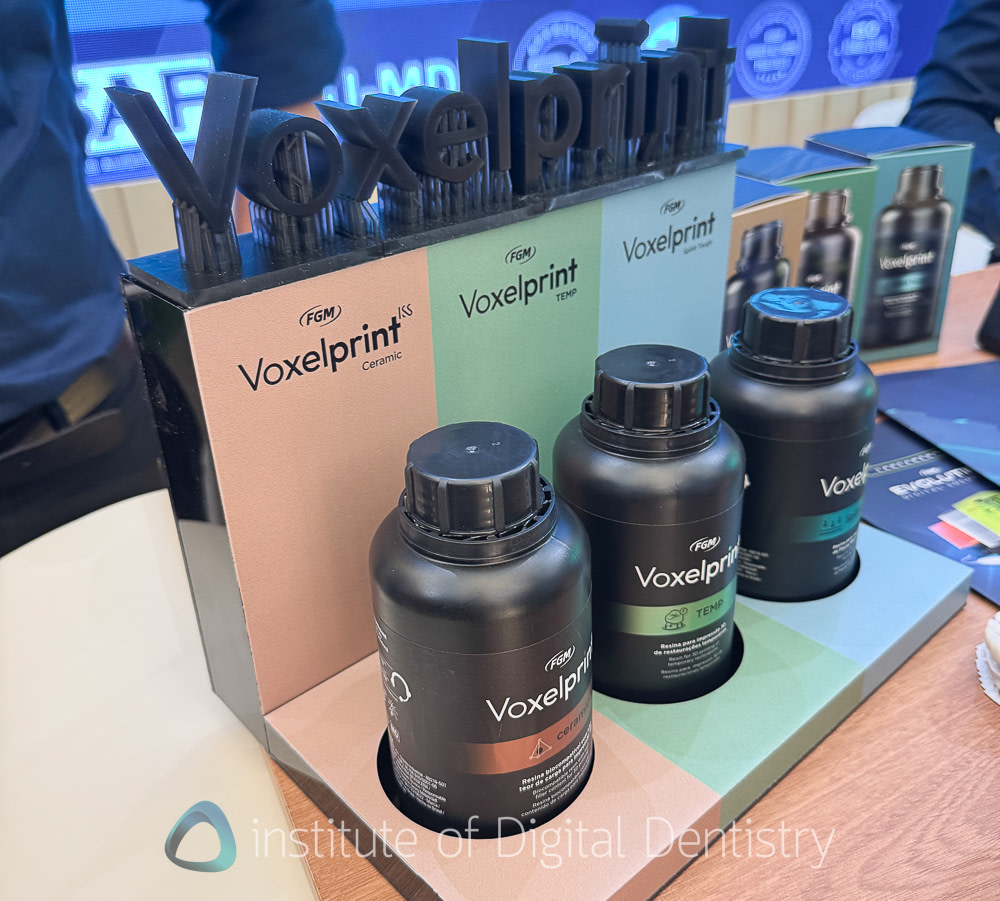
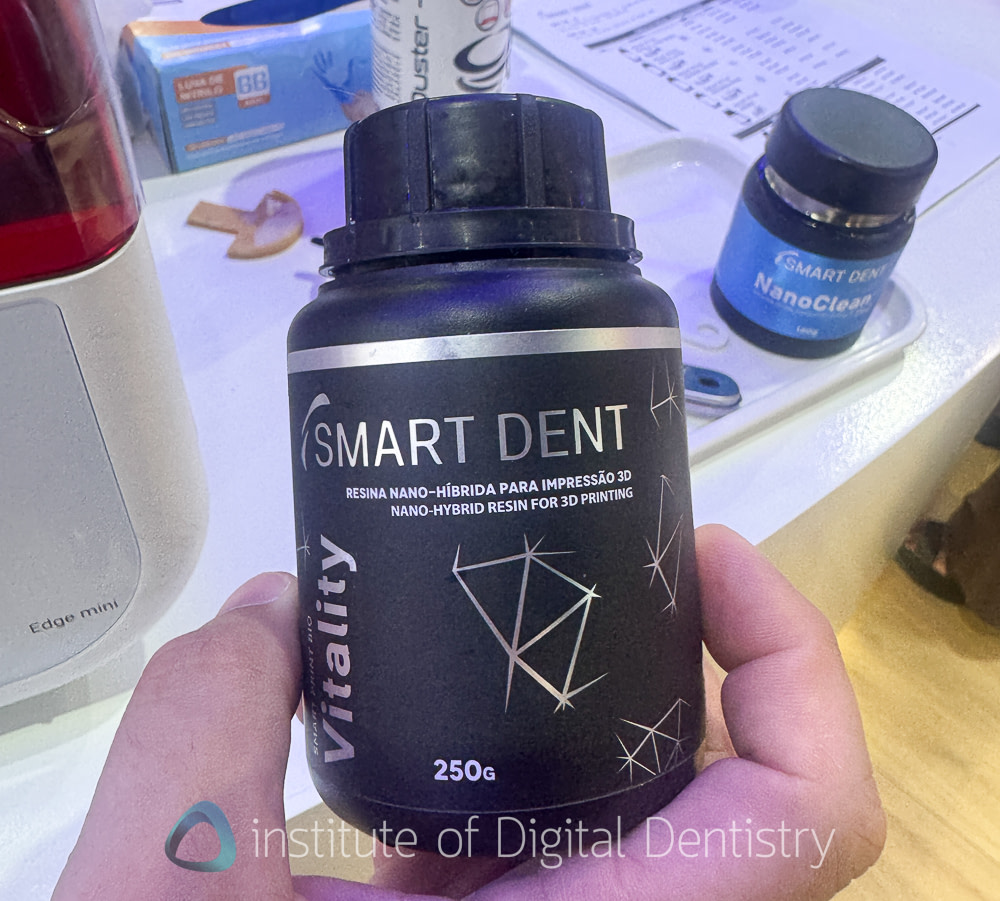
These Brazilian manufacturers understand their market intimately, the specific clinical preferences, economic constraints, regulatory requirements, and support expectations that international companies sometimes struggle to navigate. Their presence at CIOSP demonstrated that digital dentistry innovation isn't exclusively flowing from established international players into emerging markets; local manufacturers are developing competitive solutions tailored to regional needs.
And I have to say, some of these resins looked really, really good. I will be testing them and sharing my findings soon.
This local innovation ecosystem creates interesting dynamics. International manufacturers must compete not just with one another but also with domestic companies that offer a compelling combination of competitive pricing, local support, faster regulatory pathways, and products developed specifically for Brazilian clinical preferences.
The success of these Brazilian companies also suggests that as digital dentistry matures globally, we'll likely see more regional manufacturers emerge with solutions optimized for their specific markets rather than one-size-fits-all international products.
The Price-Sensitive Premium Paradox
CIOSP 2026 illustrated a fascinating paradox that characterizes many emerging markets: simultaneous price sensitivity and genuine interest in premium digital solutions.
On one hand, affordable solutions clearly commanded attention. Printers from companies like RapidShape and Phrozen, which target the accessible end of the market without sacrificing too much functionality, attracted substantial interest. Their success in Brazil mirrors what I've observed in other price-sensitive markets - practitioners want digital capabilities but need economically viable entry points.
On the other hand, Brazilian practitioners demonstrated a sophisticated understanding of digital workflows and a genuine interest in premium technologies when value propositions made sense. They're not simply looking for the cheapest possible option; they're seeking the best value - the optimal balance of capabilities, reliability, support, and investment.
This creates challenges for manufacturers trying to position products appropriately. Price aggressively, but risk damaging the premium brand's perception. Price too high and face competitive pressure from more accessible alternatives or local manufacturers. The companies succeeding in Brazil appear to be those offering clear value propositions, great workflows and support at specific price points rather than attempting to be all things to all practices.
The presence of both budget-friendly and premium solutions throughout CIOSP suggested that Brazil's dental market, like most mature markets, is segmenting into distinct tiers - each with different needs, priorities, and willingness to invest in digital transformation.
Regulatory Reality - The Innovation Time Lag
Perhaps the most significant barrier to digital dentistry's growth in Brazil isn't cost, cultural factors, or market maturity, it's the regulatory environment.
Brazil's product registration processes for dental equipment are notoriously complex and time-consuming, often requiring years from initial application to market approval. This creates a substantial time lag between international product launches and their availability to Brazilian practitioners.
This regulatory reality fundamentally shapes the Brazilian digital dentistry landscape. While the IDS or Chicago Midwinter showcase features cutting-edge innovations that reach many markets within months, Brazilian practitioners often wait years for the same technologies. By the time products clear Brazilian regulatory hurdles, they may already be superseded by next-generation offerings in other markets.
This creates frustration for both manufacturers and practitioners. Companies invest substantial resources navigating regulatory processes with uncertain timelines, while Brazilian dentists watch international colleagues adopt technologies they cannot yet access, regardless of their willingness to invest.
For Brazilian dentistry to accelerate its digital transformation, regulatory reform may prove as important as any technological advancement or price reduction. Until the pathway from innovation to market becomes more efficient, Brazil will continue to experience this frustrating time lag relative to more digitally mature markets.
Looking Ahead - Brazil's Digital Future
CIOSP 2026 painted a picture of a market at an inflection point - clearly committed to digital transformation but navigating unique cultural, regulatory, and economic challenges that distinguish it from other emerging markets.
The enthusiasm for digital solutions was unmistakable. Brazilian practitioners recognize that digital workflows represent dentistry's future, and they're actively working to understand how these technologies can benefit their practices and patients. The question isn't whether Brazil will digitalize, but how this transformation will unfold given the market's distinctive characteristics.
One thing is for sure - this country is very focused on great aesthetic outcomes. So the demands from materials, whether they are printed or milled, are quite high compared to other countries I have visited.
Want more of the latest in dentistry?
Join the RAPID community
and get insights straight to your inbox.
Conclusion - A Market Unlike Any Other
Having now attended major dental exhibitions across almost all continents - from the technological showcases of IDS and Chicago Midwinter to the emerging-market dynamics of MIDEC Malaysia and AEEDC Dubai - CIOSP 2026 reinforced an important reality: there is no single "emerging market" playbook for digital dentistry.
Brazil's unique combination of cultural factors, regulatory complexity, aesthetic focus, strong local manufacturing, and distribution-driven market dynamics creates a competitive landscape fundamentally different from what I've observed elsewhere. Strategies that drive rapid adoption in Southeast Asia or the Middle East face different challenges in Latin America's largest market.
Yet beneath these differences lies a universal truth increasingly evident at every major dental event globally: digital transformation has moved from optional to inevitable. Whether in São Paulo or Dubai, Kuala Lumpur or Chicago, dental professionals recognize that digital workflows represent the future of comprehensive patient care.
CIOSP 2026 demonstrated that this future is arriving in Brazil - perhaps more slowly than in some markets, navigating more obstacles, taking different forms - but arriving nonetheless with the same inexorable momentum driving digital adoption worldwide.
For manufacturers, understanding these market-specific dynamics isn't just helpful - it's essential for success. And for Brazilian practitioners, the message from CIOSP was clear: digital dentistry's benefits are worth the wait, the investment, and the effort required to overcome the unique challenges facing Latin America's dental community.
The digital revolution is truly global - it just speaks with different accents in different markets.