

As the Greater New York Dental Meeting 2025 draws to a close, let's face it, this has been a busy year.
2025 will be remembered as the year the intraoral scanner market has reshaped itself, and if you needed confirmation of that shift, the past few days in New York delivered it through several notable industry moves.
Let’s go over some of the most interesting releases from the event.
Two Scanner Launches Signal Changing Times
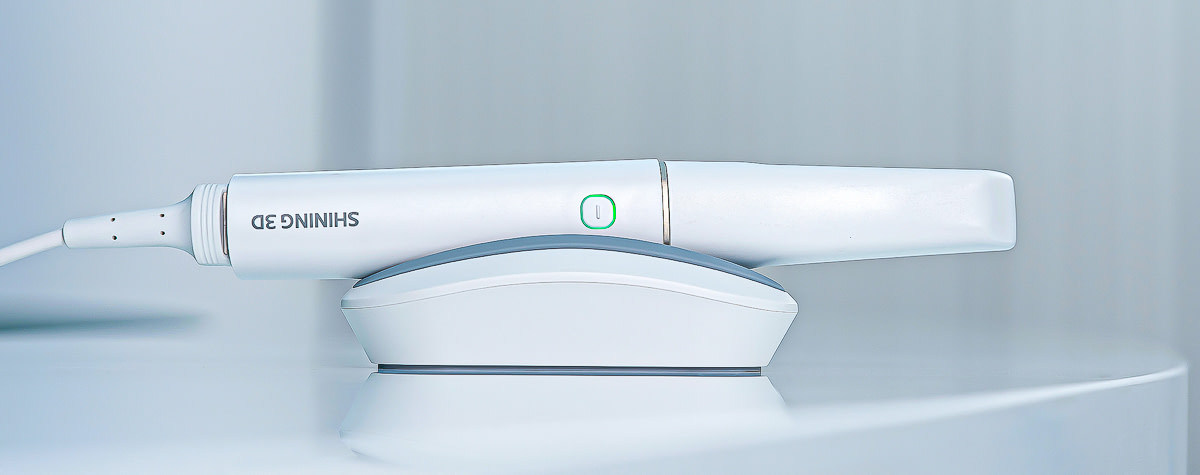
Shining 3D Aoralscan Elf Makes Its Debut
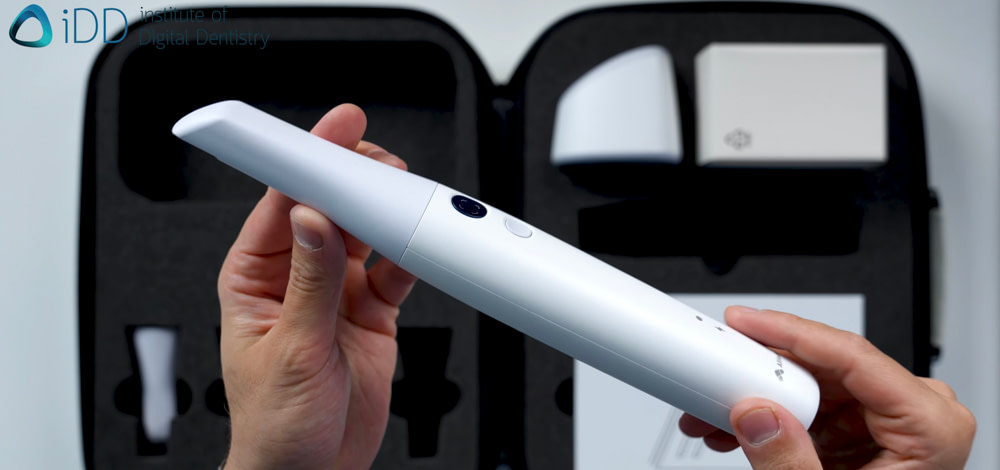
The Aoralscan Elf made its official show floor debut at GNYDM, though the company had already released it online a few weeks prior. I have covered all the details here.
Dentists got hands-on time with the device, and the reception, from what I heard, was enthusiastic. Shining 3D continues its mission to democratize digital dentistry with accessible technology that doesn't compromise on performance, a theme that's been consistent throughout 2025.
At a RRP of $11,999 USD, this scanner is one of the lowest-cost premium models on the market. The release reminds me a lot of the Medit i600 release, where a company took a premium option, stripped down some features, and launched it at a more affordable price.
I am curious to see how other companies respond to this in 2026.
Dandy Vision - a Big Move by One of the Largest Labs in NA
Another big announcement, and the one that will no doubt send ripples through the industry, came from Dandy with the launch of the Dandy Vision scanner.
Dandy is a fast-growing, venture-backed company and one of the largest chains of dental labs in North America. Critically, it is also one of 3Shape's major distributors. This represents a fundamental realignment of industry power structures.
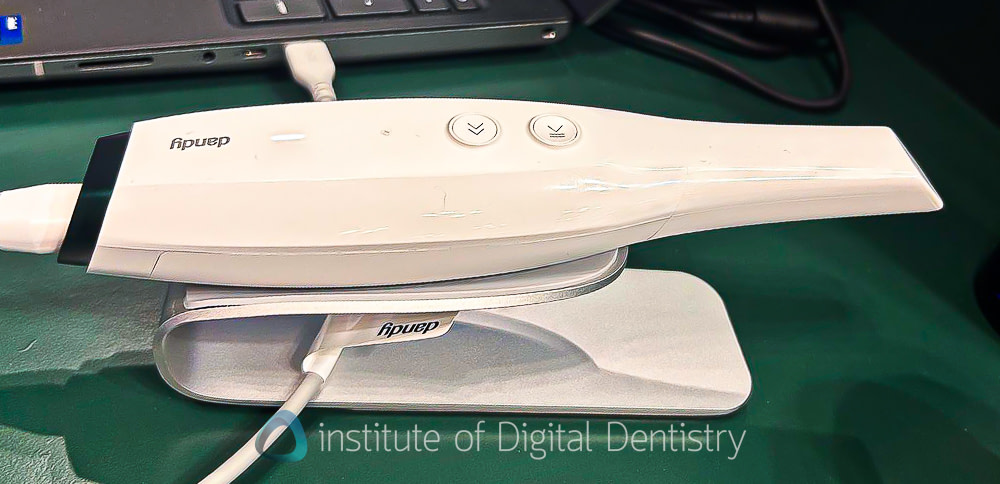
Dandy says that the Vision achieves:
- Full-arch scans in 45 seconds
- "24.9% faster scanning" than leading competitors, according to Dandy
- No calibration required
- Sharp focus up to 18mm away from the scanning surface
- Wide field of view captures more anatomy in fewer passes
- Lightweight at 210g with instant de-fog airflow design
- Includes free Dandy Chairside Software with no monthly fees
But here's what is cool - AI-powered analysis built directly into the scanning workflow. The scanner features real-time detection that flags issues and guides refinements, ensuring every scan is lab-ready. This is something I've been advocating for years, especially for applications like crown tooth reduction analysis, where preparation quality directly determines restoration longevity.
Well, we now have this built directly into the scanning experience rather than treating it as a post-processing afterthought. The AI analyzes your preparations in real-time and provides immediate feedback. This is the future of intelligent scanning, and it's arriving faster than many expected.
The Business Model
Dandy's approach is simple - give us your lab work, and we'll give you the scanner.
Not exactly a new model - we have seen labs all around the world do this by discounting prices of current scanners for lab work, or providing them for free, but what makes this different is that it is a Dandy-branded product.
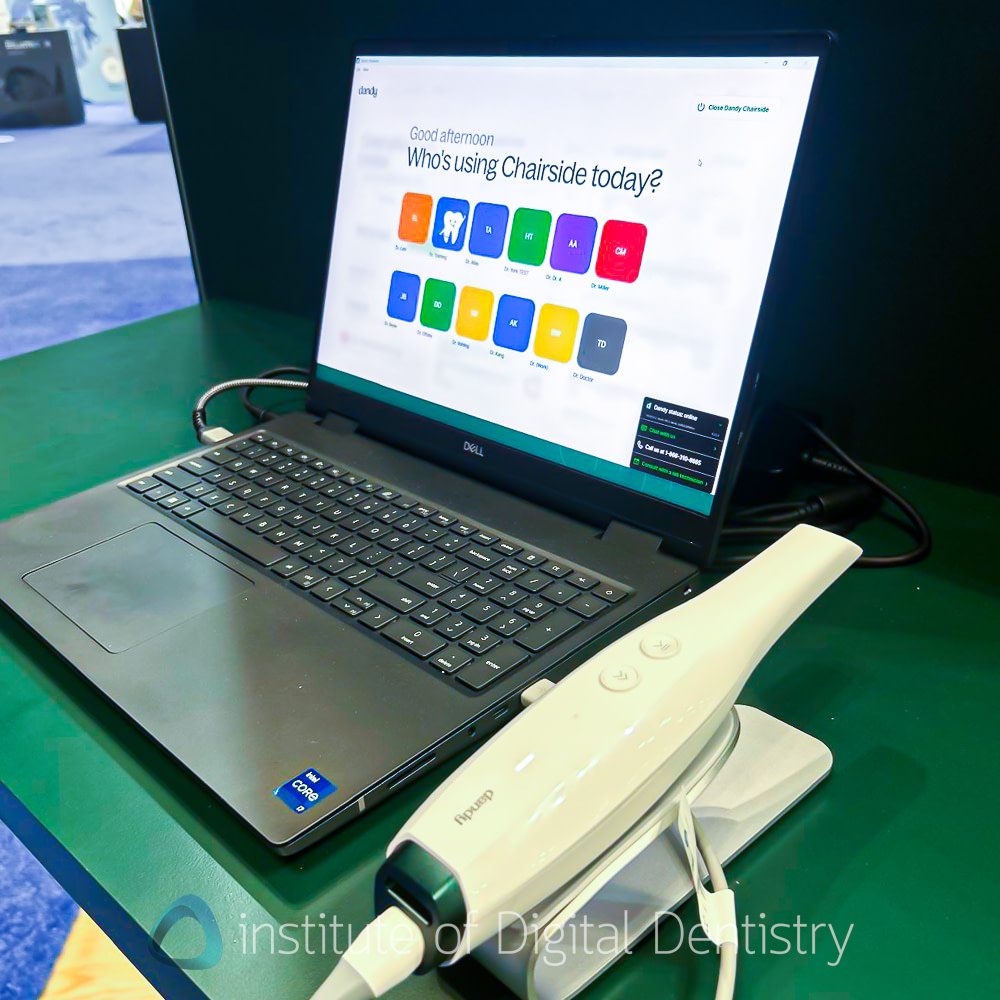
Currently, they have two scanner options:
- Dandy Vision (wired): $1,000 minimum monthly lab spend + $800 setup fee
- 3Shape TRIOS 5 (wireless): $2,500 minimum monthly lab spend + $800 setup fee
Both options include:
- Month-to-month commitment with no long-term contract - nice option
- Free mirror tips for life - wow.
- No monthly software fees - standard with many IOS.
- No-cost remakes from their lab - wow.
- Free Dandy Chairside Software - interesting.
- Instant expert support with live scan review and real-time collaboration on digital designs
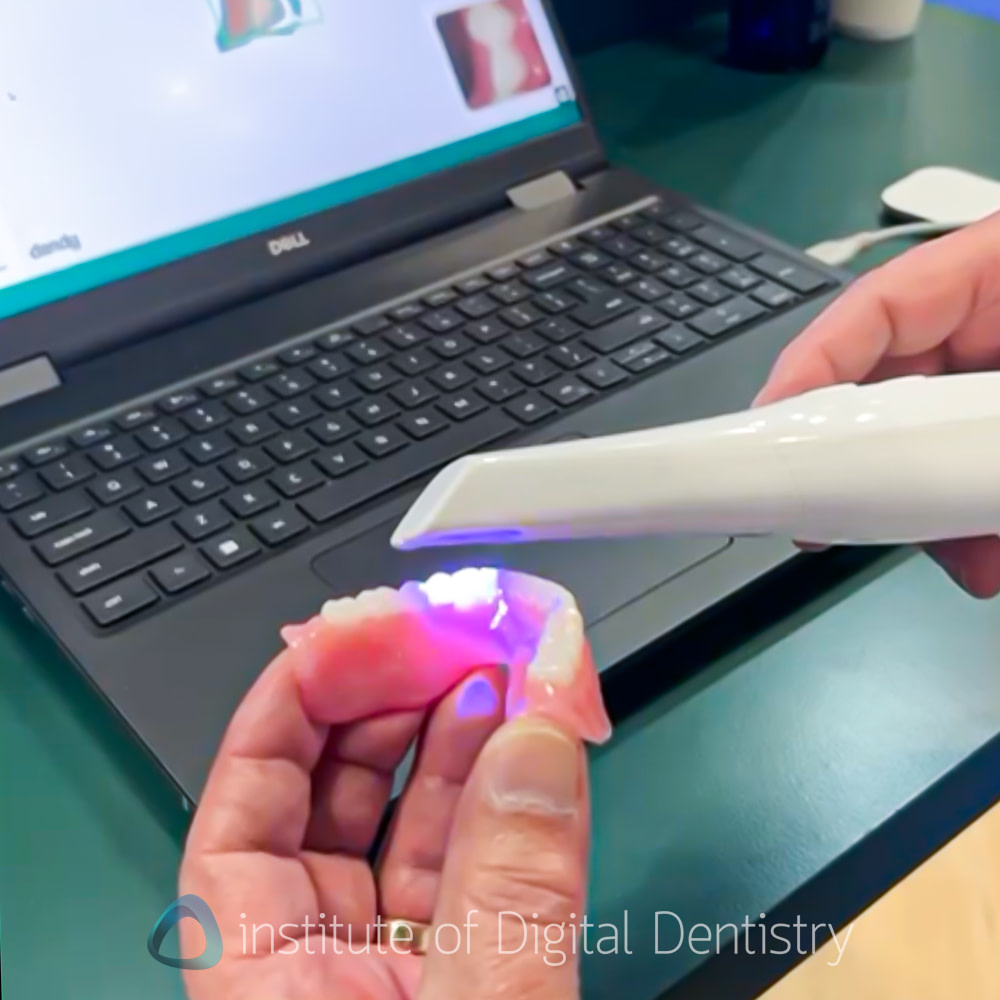
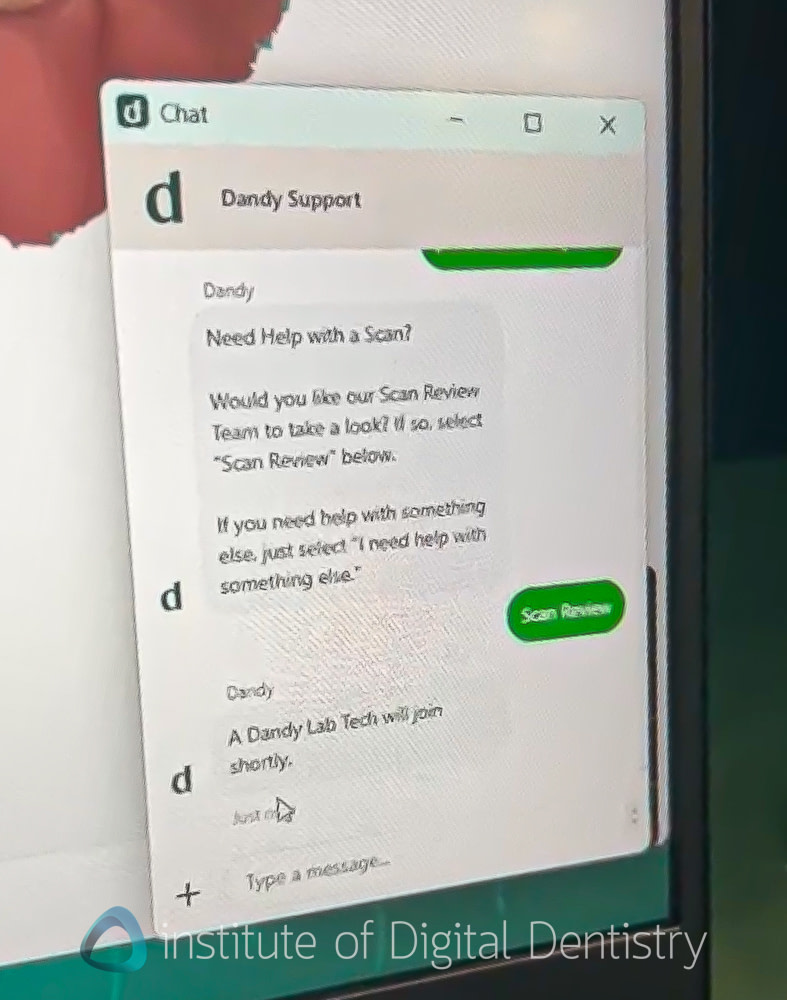
By tying scanner acquisition to lab volume rather than capital expenditure, Dandy has presented the scanner not as a purchase decision but as a workflow enabler. The scanner becomes an infrastructure that facilitates the relationship rather than a barrier requiring ROI justification.
Otherwise, there were no other major 'new releases' at the event. We have seen plenty of new products be released throughout 2025, and in that light, let's reflect on the past year and what it means for digital dentistry.
2025 in Review
Scanners Enter Commodity Phase
As we wrap up the last major dental event of 2025, one of the biggest in the United States, it's safe to say that intraoral scanners have officially entered the commodity phase.
When major labs can give away hardware that rivals the performance of other manufacturers', when AI features that were once differentiators become baseline expectations, and when acquisition costs shift from capital expenditure to operational commitments tied to existing workflows, the fundamental economics of the scanner market have permanently changed.
This isn't a negative development. Commoditization in technology typically signals market maturity and ultimately benefits end users by lowering costs, improving quality, and accelerating innovation in adjacent areas. The scanner itself is becoming infrastructure, which means the real competition has shifted to software ecosystems, AI capabilities, integrated workflows, and business model innovation.

The 3D Printing vs. Milling Battle Intensifies
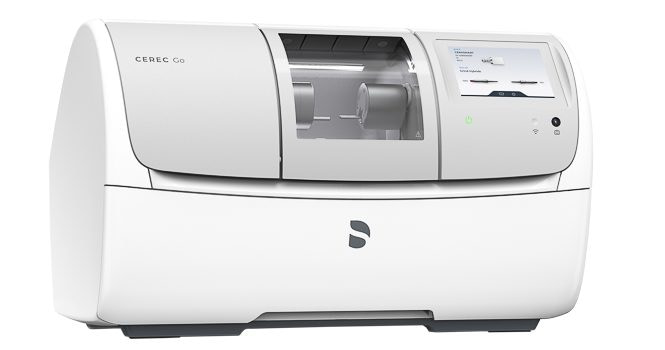
Earlier this year at DS World Las Vegas, Dentsply Sirona fired back at the 3D printing revolution with the CEREC Go - a $30,000 composite-only milling machine designed specifically to compete with resin printing workflows.
While 3D printing has disrupted dentistry by promising accessibility and lower entry costs (SprintRay Midas at ~$11,000 plus wash/cure equipment totaling ~$18,000), CEREC Go made a counter-argument: milling offers research-backed composite blocks with stronger flexural strength, minimal post-processing, consistent outcomes, and no technique-sensitive resin handling.
This battle between manufacturing modalities is far from over, but 2025 demonstrated that both technologies are evolving and seeking their respective niches.
Cloud and AI-Powered CAD Platforms Exploded
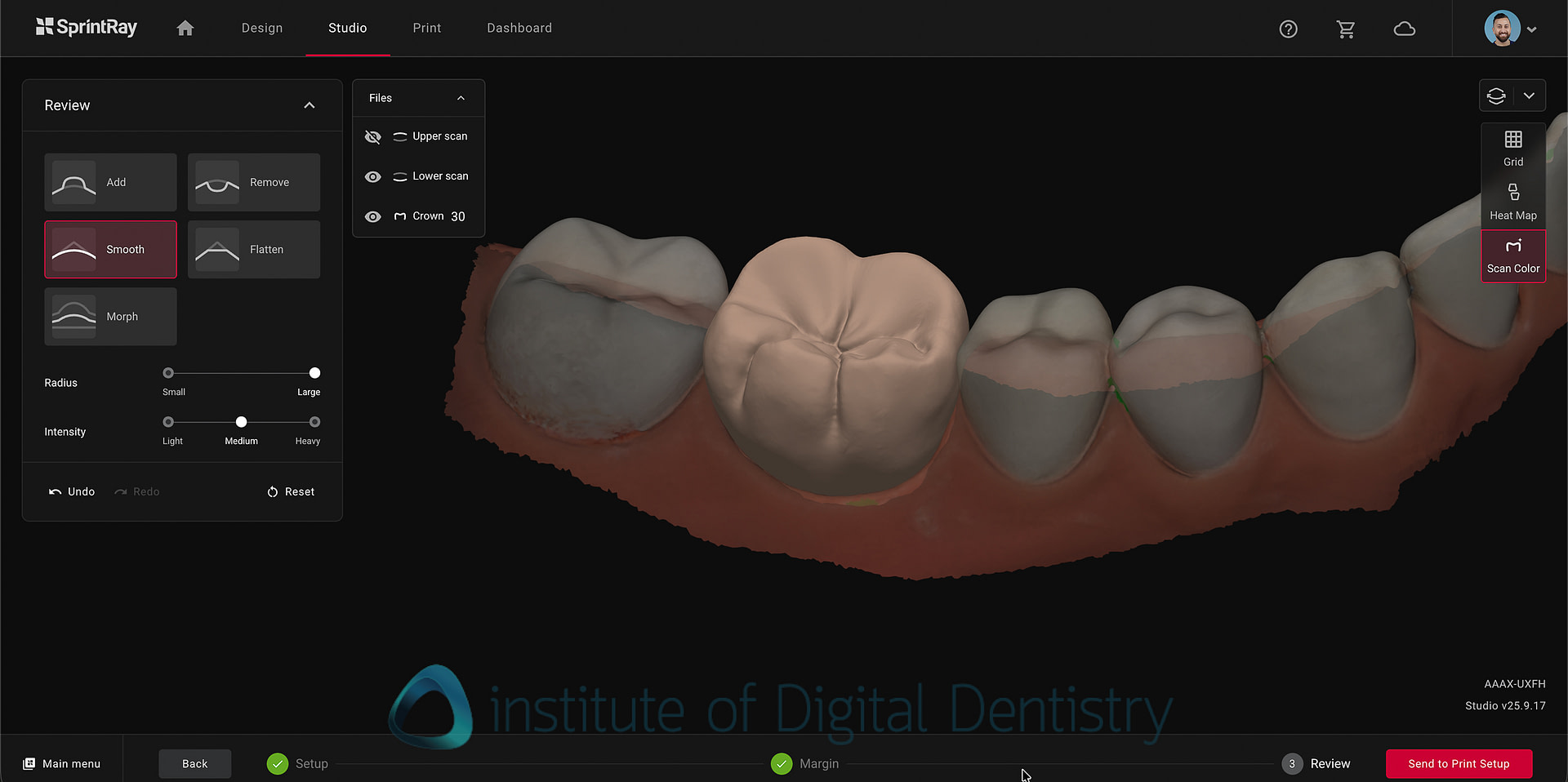
Another defining theme of 2025 was the accelerated migration to cloud-based platforms. Dentsply Sirona's CEREC on DS Core, Sprintray with their cloud platform, Straumann with AXS, Medit developing Medit Link, etc.
This follows broader industry trends. Every major player is developing cloud platforms and subscription models. The days of purchasing perpetual software licenses and running isolated systems will be fewer and fewer in the coming years.
Throughout 2025, we also saw AI-driven CAD platforms continue to evolve rapidly. From Exocad's cloud capabilities in iTero to 3Shape's Automate platform, DentBird's open platform, to the emergence of specialized AI design tools (I cover many here), the industry reached an inflection point where AI assistance seems poised to become standard rather than exceptional.
The expectation is no longer "does your software have AI?" but rather "how intelligent and clinically useful is your AI implementation?"
Chinese Manufacturers Are Challenging the Status Quo
Chinese manufacturers like Shining 3D and Alliedstar are making big moves with dramatically lower price points than traditional market leaders. These aren't inferior products; many are arguably better but target completely different market segments with region-specific software, pricing, and support models, and in some cases new workflows - like IPG.
This has created a fast-growing parallel ecosystem that drives much of the global adoption of digital dentistry, especially in regions where Western systems remain cost-prohibitive. At the same time, these manufacturers are steadily moving upward, developing more advanced systems that increasingly challenge premium brands head-on.
Industry Consolidation Accelerated
2025 also saw significant consolidation:
- Pac-Dent acquired Ackuretta Technologies as part of broader 3D printing industry consolidation
- SprintRay acquired EnvisionTEC's dental portfolio following Desktop Metal's bankruptcy
This consolidation reflects market maturation. As technologies commoditize, vertical integration and ecosystem control become the primary competitive strategies. Also, as companies cannot compete in this competitive market, they will likely sell.
The Strategic Reality - Ecosystems Over Products
What 2025 demonstrated conclusively is that individual products no longer win markets - ecosystems and workflows do.
Success in digital dentistry now comes from delivering fully integrated environments, where scanning, design, production, diagnostics, support, and data all work together seamlessly. Hardware specifications matter, but they are no longer the primary differentiator. What matters is how each component connects, how intelligently the system adapts, and how effortlessly the clinician can move from one step to the next.
The companies winning today recognize that clinicians aren’t simply purchasing devices - they’re adopting digital workflows. The leaders have focused on making those workflows intuitive, AI-enhanced, economically accessible, and continuously improving through cloud connectivity and real-time feedback loops.
What This Means for 2026
As we head into 2026, several trends are now inevitable:
Scanner commoditization will accelerate. More labs, more manufacturers, and more business model innovations will continue driving down barriers to adoption.
AI capabilities will differentiate winners from losers. The quality, clinical relevance, and integration of AI tools will separate premium solutions from commodity offerings.
Cloud connectivity becomes mandatory. Isolated systems will increasingly be viewed as legacy technology. Practices will expect continuous updates, remote support, cross-device compatibility, and data accessibility.
The 3D printing vs. milling debate will continue. Both technologies have legitimate advantages. The market is large enough for both to thrive, and hybrid workflows utilizing both modalities will become increasingly common.
Looking Ahead
Next year, I'll be back on the road covering all the major conferences, AEEDC in Dubai, Chicago Midwinter, and more. I hope to see many of you there as we continue tracking this incredible evolution in digital dentistry.
As you head into the final month of 2025, take a moment to reflect on just how dramatically the landscape has shifted this year. From the explosion of AI-powered design to the complete restructuring of scanner market dynamics to the cloud platform wars, digital dentistry is evolving faster than ever.
The barrier to entry has never been lower. The technology has never been more capable. The business models have never been more accessible. And the competition has never been fiercer.
This is exactly the environment where innovation thrives, and clinicians win.
Have a wonderful Christmas with your family, finish the year strong, and get ready for what promises to be another transformative year ahead.
Stay curious, stay informed, and keep scanning.
thank you for your commitment to this field of digital scanning and affiliated technology
Thank you for your kind words. I hope you have a blessed time with family and friends this holiday season.
Is it possible to have a phone conversation for your thoughts and suggestions on the feasibility of putting a digital denture lab into an existing, extended length, customized Sprinter camper van to be able to offer on site, one stop, quality full dentures?
I’m a 77 y.o. California general dentist who needs to return to the workforce and have enjoyed the satisfaction of restoring the function that quality full dentures can offer when implants or over-dentures are not an option for the patient. When that option does exist I’ll refer.
The plan is to continue to use Dr Abe’s frame cutback style trays with Ivoclar’s 2 tone Accugel for the preliminary and then a PVS wash in the custom tray/bite rim for the final, using a benchtop scanner on both the preliminary and final impressions and foregoing the need for an IOS. Is there any cost effective milling machine that would even work in a van? I was used to using Ivocap bases with top end Candulor teeth and an excellent denture technician who recently passed. What printers and resins would you suggest? What software? Of course I’ll also need a realistic and comprehensive educational program to learn how to do it all. Thank you!
Hey Lee
Yes happy to chat, I will reach out to you via email.