

In 2019, I reviewed Shining 3D's first intraoral scanner at IDS and gave it a low rating. The thing would literally overheat and stop working after about 20 seconds. Fast forward to 2026, and I am genuinely amazed at what this company has become.
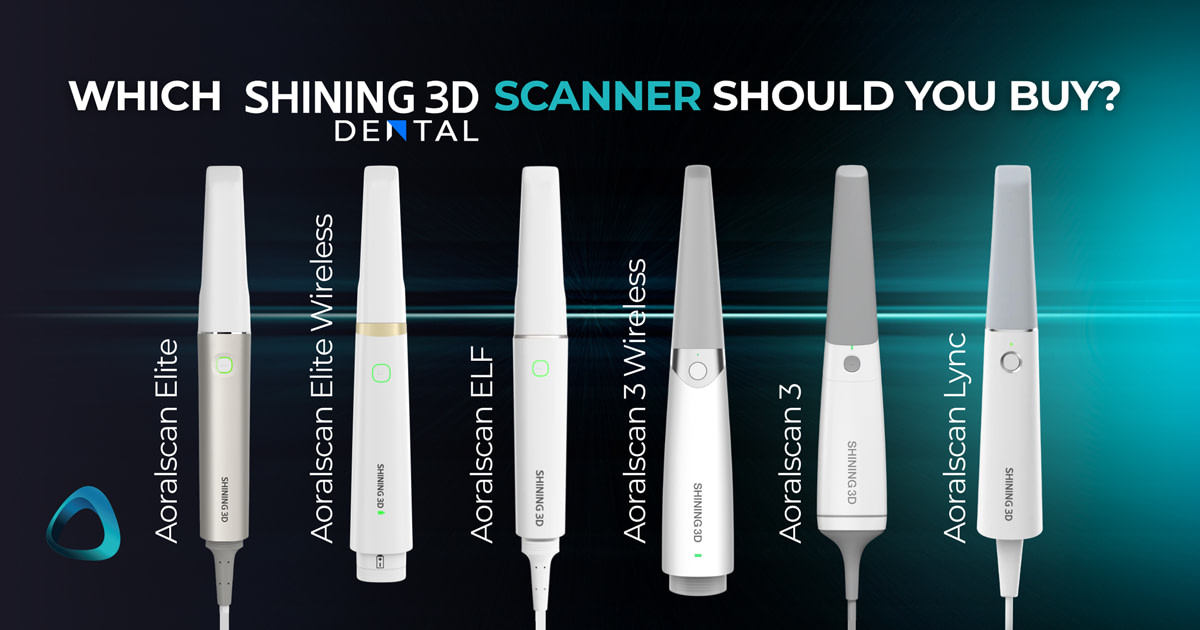
Shining 3D now has six intraoral scanners in its lineup. Six. That's more than 3Shape, more than Medit, and it speaks to just how aggressively this company has been innovating. This Shining 3D intraoral scanner comparison covers every model currently available, from the budget-oriented Lync to the flagship Elite Wireless. The journey from a rough proof-of-concept to one of the most competitive IOS companies in the world has been remarkable to watch.
But with six scanners to choose from, the obvious question I keep getting asked is: which Shining 3D scanner should I buy?
It's a fair question. When there were only two options (the Aoralscan 3 wired and wireless), the decision was straightforward. Now, with the Elite, Elite Wireless, ELF, and Lync added to the lineup, the choice is more complex.
In this article, I'll break down every scanner in the Shining 3D lineup, explain the critical differences between them, and help you figure out which one makes sense for your practice. We have reviewed all of these scanners except the Lync (which uses the same hardware as the Aoralscan 3, so a separate hardware review wasn't necessary).
As always, this comparison maintains complete editorial independence. None of the manufacturers had input into our conclusions.
Let's go through them all.
Want more of the latest in dentistry?
Join the RAPID community
and get insights straight to your inbox.
At a Glance - Our Top Recommendations
- Best value for most practices: Aoralscan ELF ($11,999 USD) - Elite scanning technology, full software suite, lightest scanner on the market
- Best for full-arch implant work: Aoralscan Elite ($20,000 USD) or Elite Wireless ($23,999 USD) - integrated IPG photogrammetry
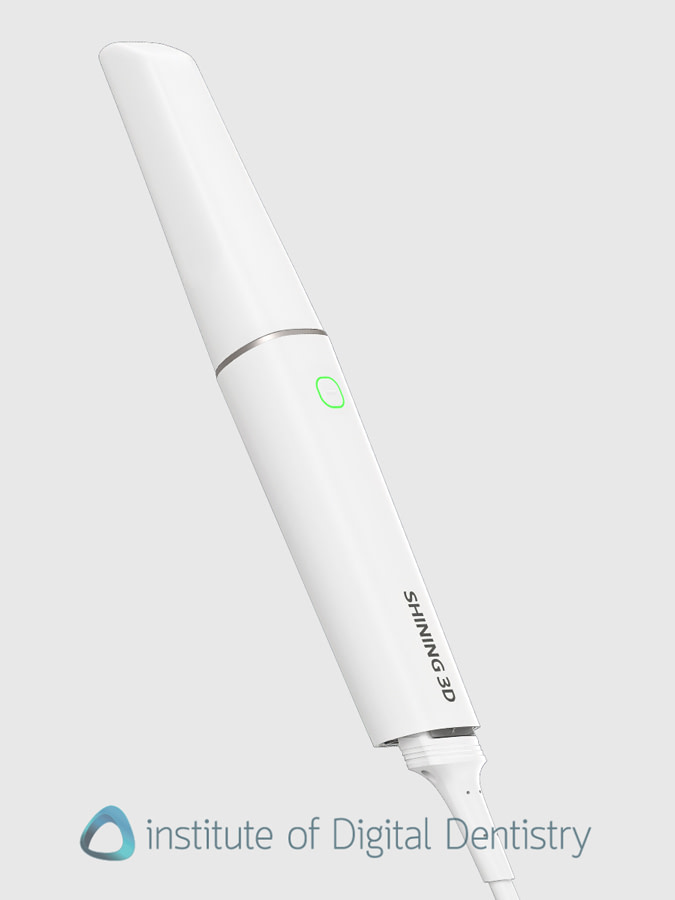
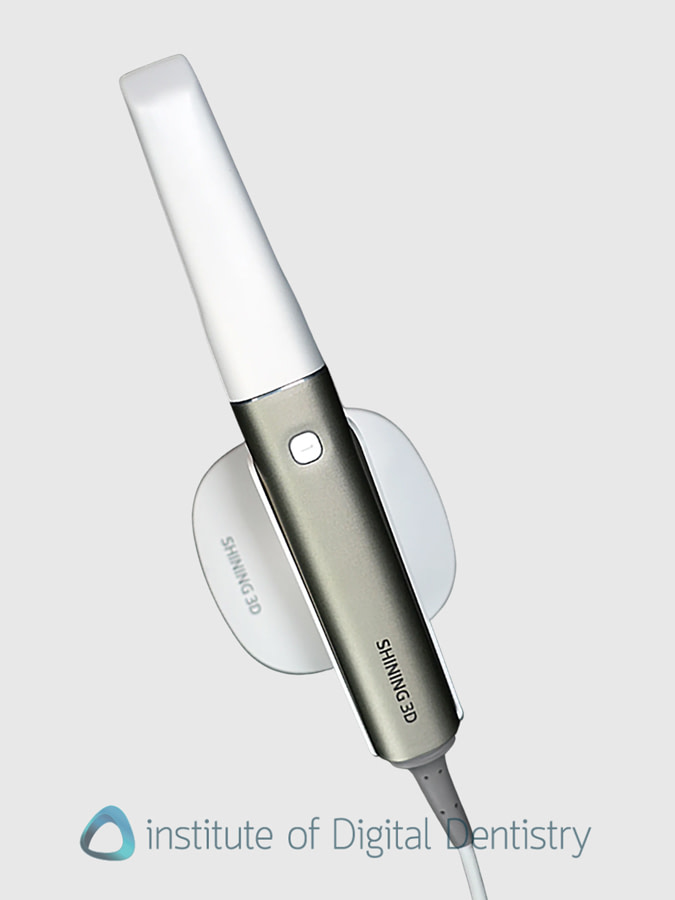
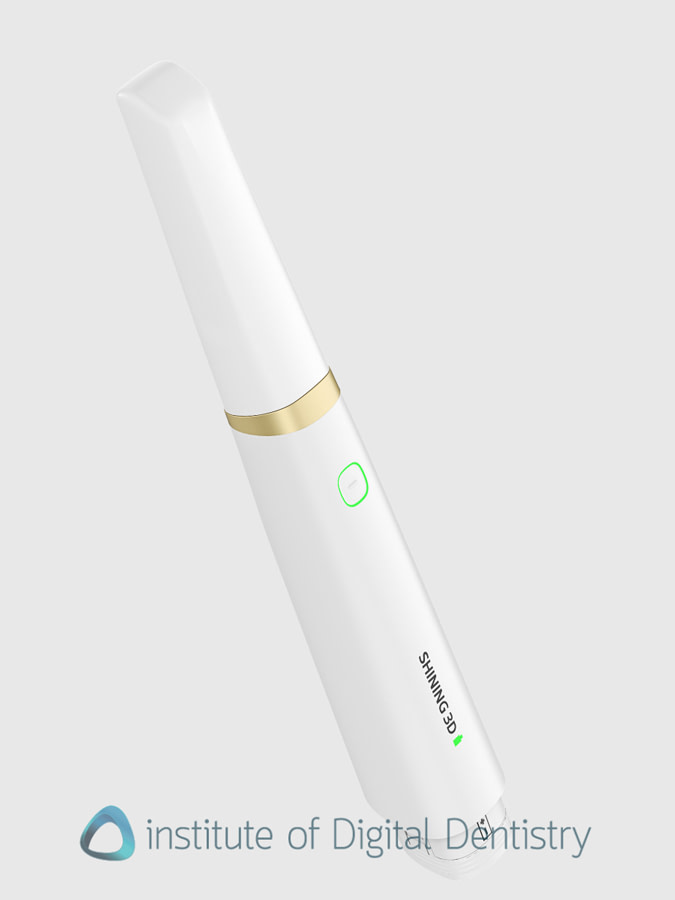
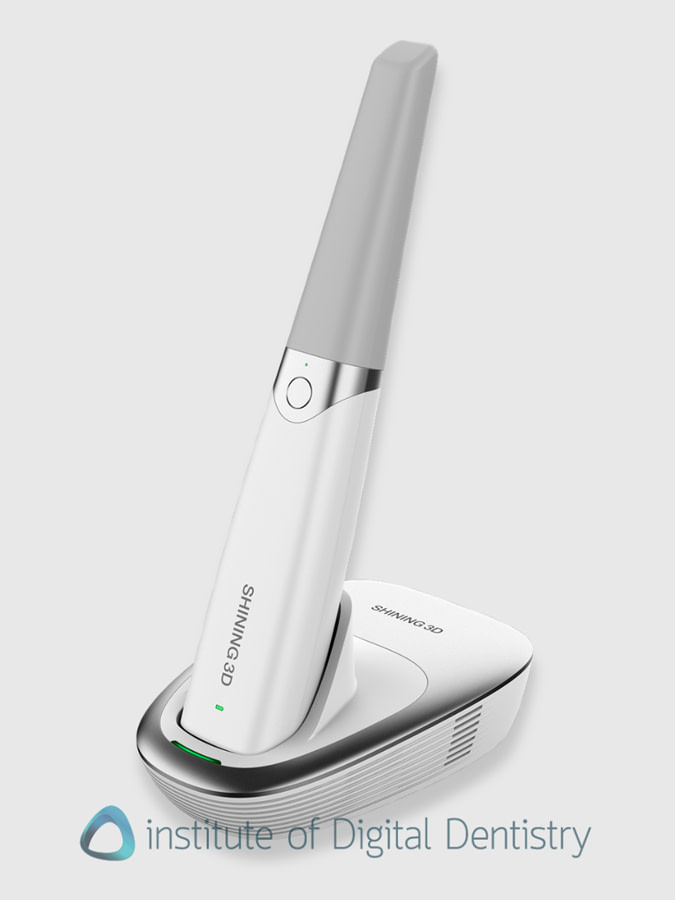
Shining 3D Intraoral Scanner Timeline - Every Release
Here's a quick look at how the lineup has evolved:
- 2019: Original Aoralscan
- 2021: Aoralscan 3 (wired)
- 2023: Aoralscan 3 Wireless
- 2024: Aoralscan Elite (wired, with IPG) - read about the launch here
- 2025: Aoralscan Lync
- 2025: Aoralscan Elite Wireless
- 2025: Aoralscan ELF - read about the launch here
Each release has pushed the company forward, but not all of these scanners are created equal. Understanding the differences requires looking at them in terms of generations. We covered the full Shining 3D story on our podcast if you want to hear more about their journey.
Understanding the Two Shining 3D Scanner Platforms
Here's the most important thing to understand before comparing individual scanners: Shining 3D's lineup is built on two distinct scanning platforms.
The Aoralscan 3 Platform (older generation)
This includes the Aoralscan 3 (wired), Aoralscan 3 Wireless, and the Aoralscan Lync. These scanners all share the same core camera system, the same scanning technology, and the same hardware design philosophy. The Lync is essentially the same scanner as the Aoralscan 3 with different software packaging (more on that later).
The Elite Platform (current generation)
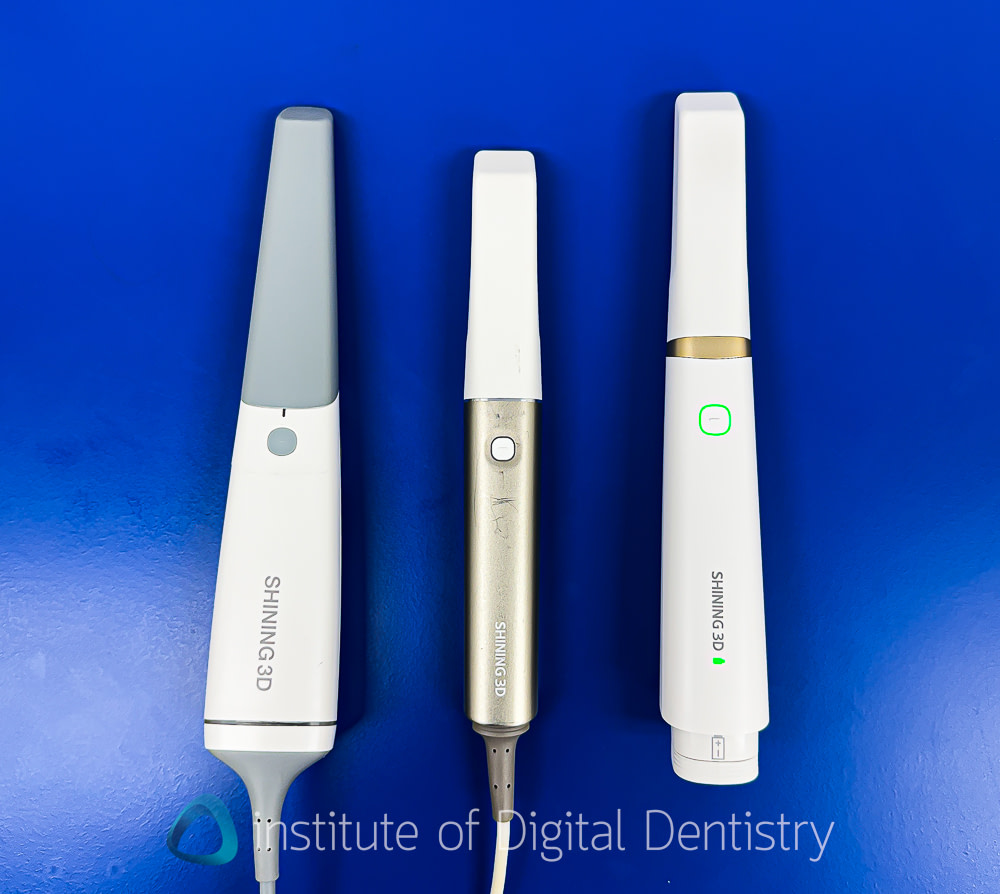
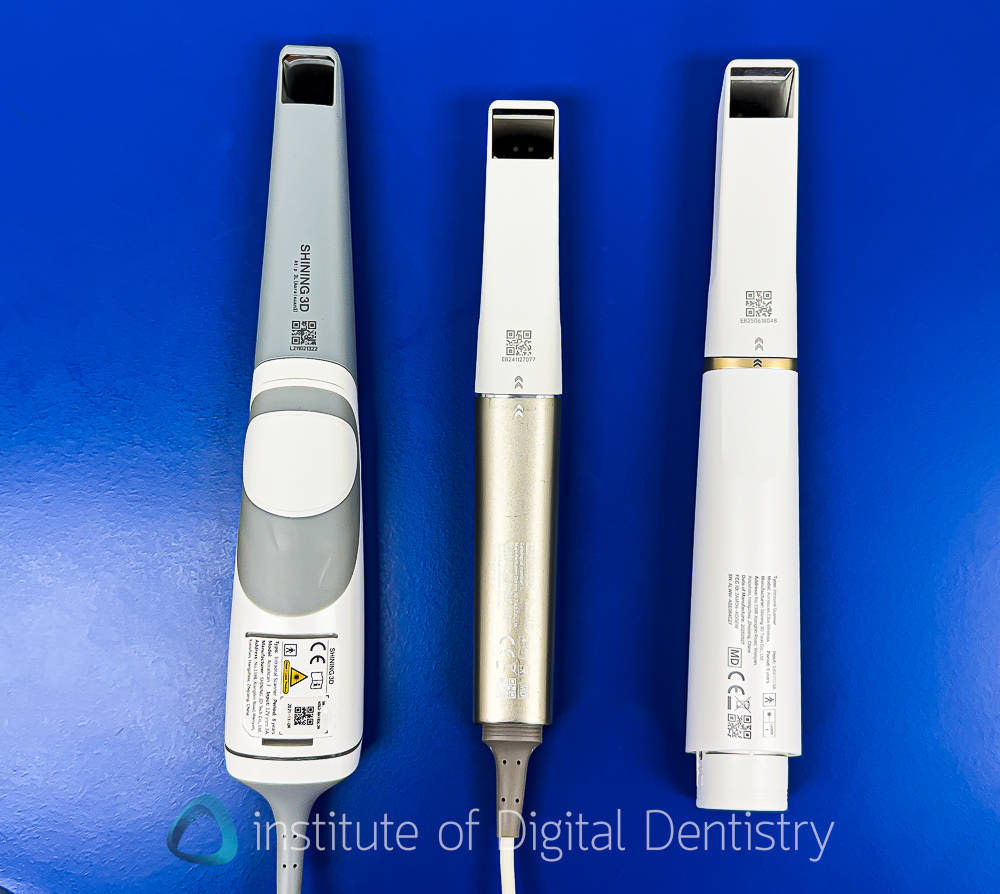
This includes the ELF, Elite, and Elite Wireless. These scanners feature a newer camera system, improved algorithms, a completely redesigned hardware form factor, and the latest software additions like IntelliBite and the Plaque Management Suite.
Why does this matter? Because if you're buying a new Shining 3D scanner today, the Elite platform is meaningfully better. The ELF, priced at $11,999 USD, now offers current-generation Elite scanning technology at essentially the same price point as the older Aoralscan 3. That changes the calculus entirely.
In my opinion, the ELF has effectively replaced the Aoralscan 3 as the most affordable Shining 3D scanner worth buying. The Aoralscan 3 variants are still available, but they are now previous-generation products.
Let me go through each scanner in detail.
The Aoralscan 3 Platform (Previous Generation IOS)
Aoralscan 3 (Wired)
The Aoralscan 3 was released in September 2021 and established Shining 3D as a serious competitor in the IOS market. When I first reviewed it, I called it a "rising star," and that proved to be accurate.
- Price: ~$10,999 USD
- Weight: 240g
- Connection: Wired, USB-B with external power adapter
- Software: Full suite included (ConsulOS, ConsulReport, MetronTrack, AccuDesign, CAD apps)
- Subscription: None
- Cloud Storage: Unlimited, free
- Construction: Plastic
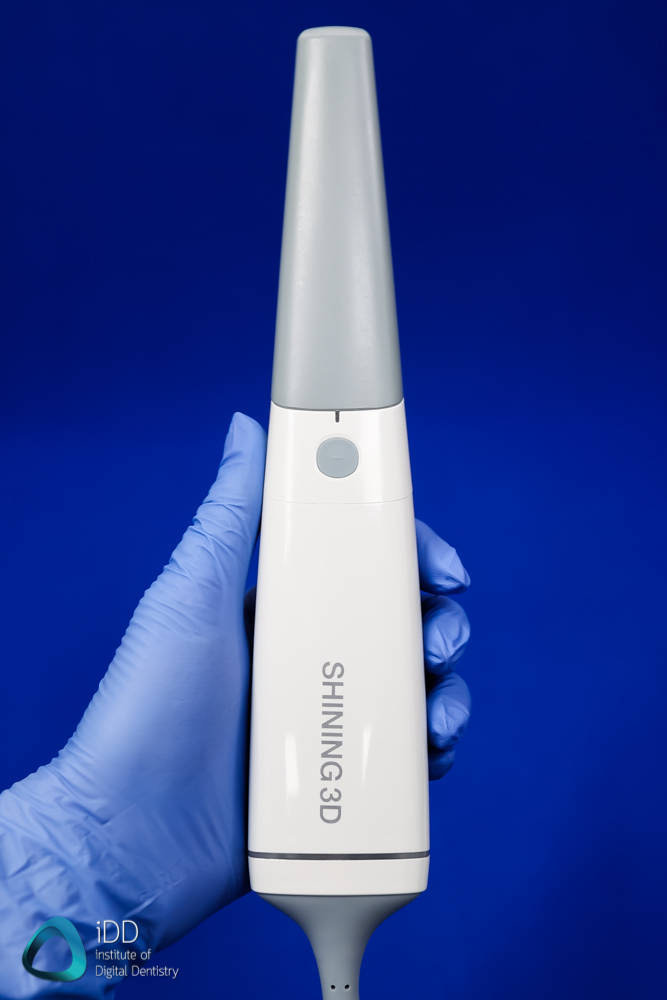
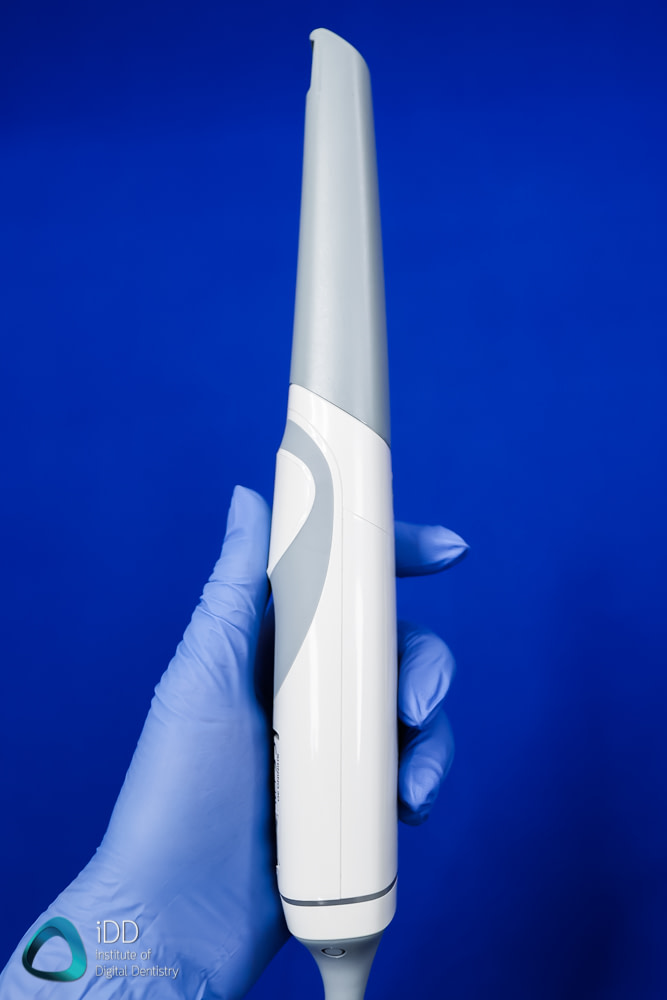
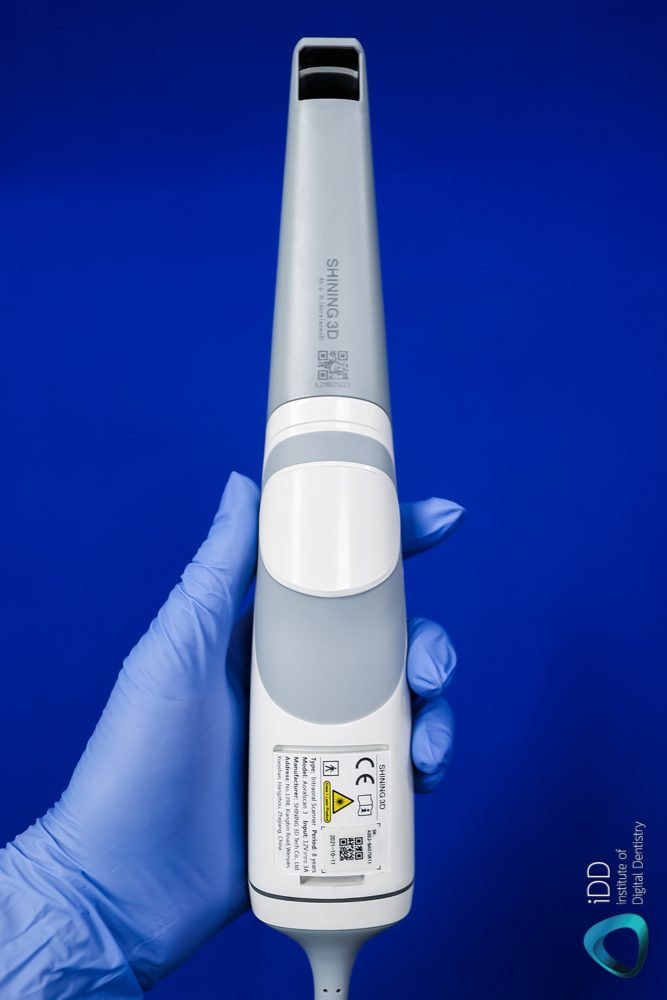
In clinical use, the Aoralscan 3 is a fast scanner that performs well for its price. We routinely achieved full-arch scans in 30-35 seconds, and the AI soft tissue removal was excellent. The software was (and still is) better than most Chinese scanners and even some mainstream competitors. The hyper-realistic scan images consistently impressed colleagues and patients alike.
The main limitations? It requires an external power adapter (multiple cables to manage), the scan resolution appears somewhat lower resolution when compared to the premium scanners, and the scanner tips have a smaller field of view compared to newer devices. The scanner tip FOV of 16mm x 12mm was fine in 2021 but is now outpaced by the larger tips on the Elite platform.
Still, at under $11,000 USD with no subscription fees, the Aoralscan 3 was and remains a solid scanner. It just isn't the newest anymore.
Read our full Aoralscan 3 review here.
Aoralscan 3 Wireless
The Aoralscan 3 Wireless was released in March 2023 and is exactly what the name suggests: the same Aoralscan 3, but without the cable.
- Price: ~$14,000 USD
- Weight: 330g (with battery)
- Connection: Wireless (Wi-Fi 6)
- Software: Full suite included
- Subscription: None
- Cloud Storage: Unlimited, free
- Construction: Plastic
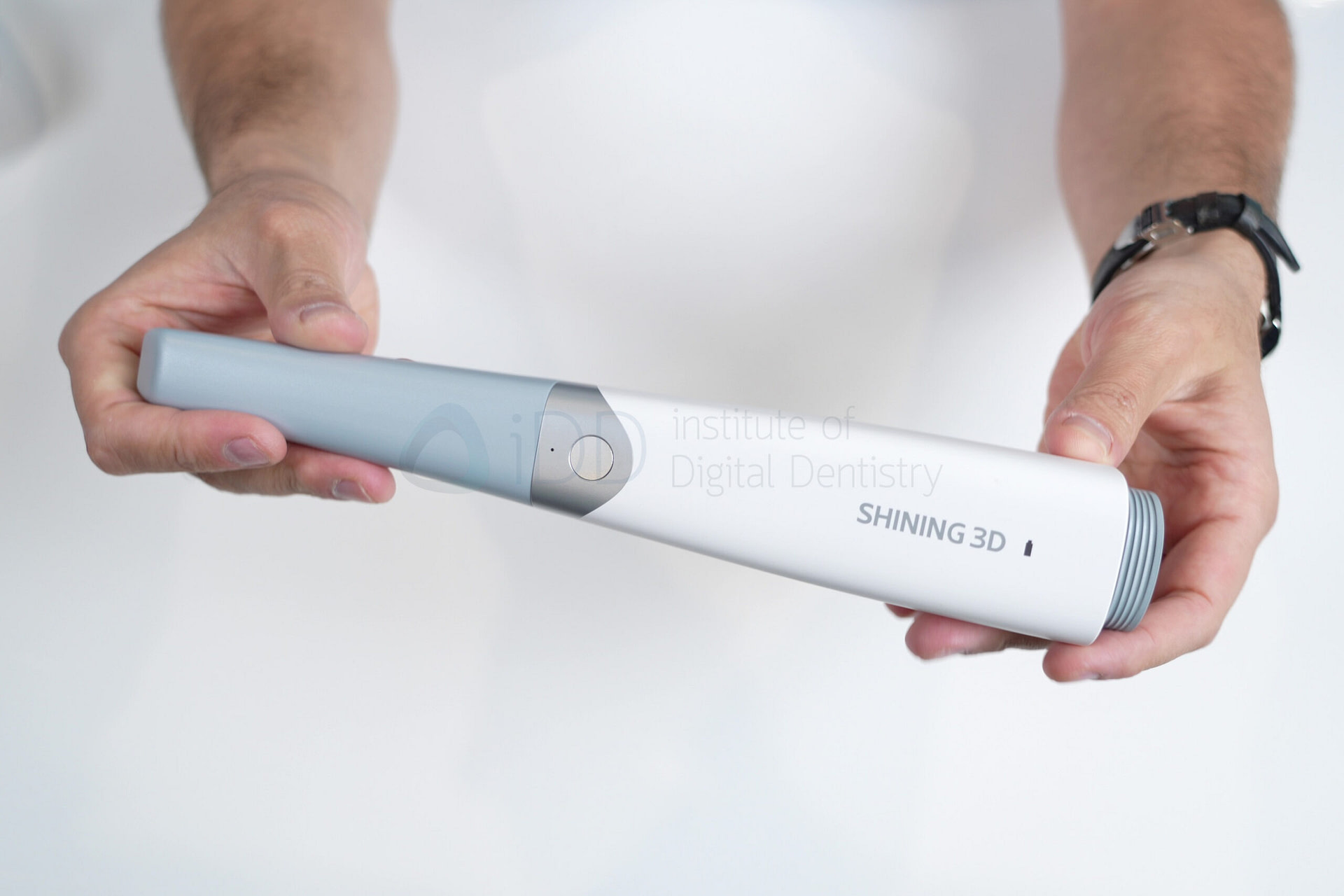
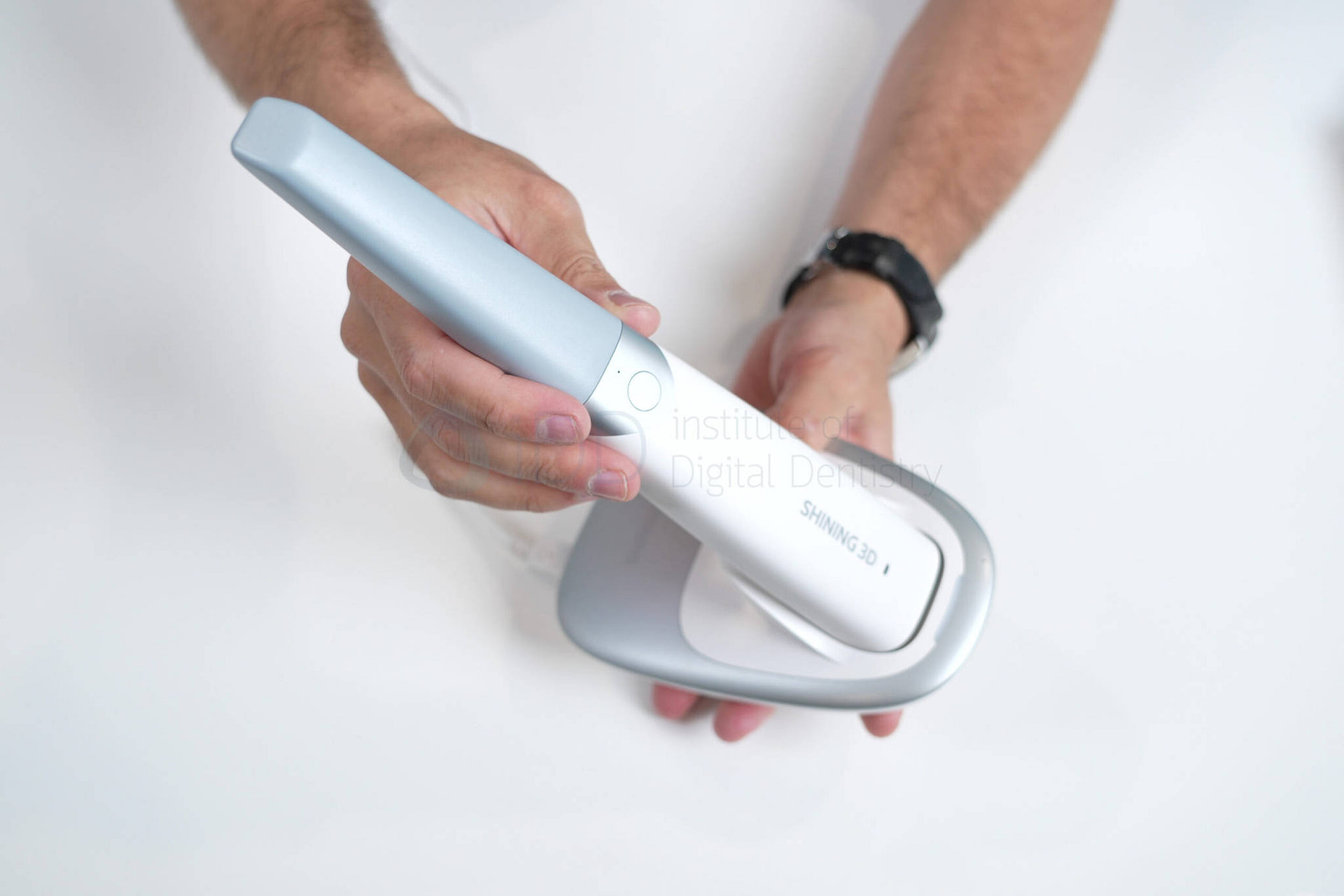
The wireless version solved the cable management gripe of the wired Aoralscan 3 and added a better heating system for the scanning tips. The trade-off is weight: at 330g, it is roughly 90g heavier than the wired version, which is expected given the battery and wireless hardware.
When it launched, the Aoralscan 3 Wireless was the most affordable wireless scanner on the market at $14,000 USD. The scanning performance, software, and clinical experience are identical to the wired version. If you wanted wireless at the lowest cost, this was the scanner for you.
That said, the market has moved on. At $14,000 USD, you're paying for wireless capability on previous-generation scanning technology. The ELF, at $11,999, delivers newer and better scanning technology (albeit wired). So the Aoralscan 3 Wireless now occupies a unique position: it's the only Shining 3D scanner that offers wireless scanning without IPG at a lower cost than the Elite Wireless.
For those where wireless is essential and you don't need IPG, it still has a role. But be aware of what you're getting relative to the ELF.
Read our full Aoralscan 3 Wireless review here.
Aoralscan Lync
The Aoralscan Lync is a recent addition to the lineup and represents Shining 3D’s most budget-oriented option. It utilizes the same camera system, scanning technology, and sensor as the Aoralscan 3, with the primary differences being the software and packaging. This is only for emerging markets.
- Price: Check with your local Shining 3D distributor (priced below the Aoralscan 3)
- Weight: 116g (updated hardware design)
- Connection: Wired, USB-C (single cable, no power adapter)
- Software: None. Software apps and modules require a separate purchase.
- Subscription: None
- Cloud Storage: Limited (50GB)
- Construction: Plastic
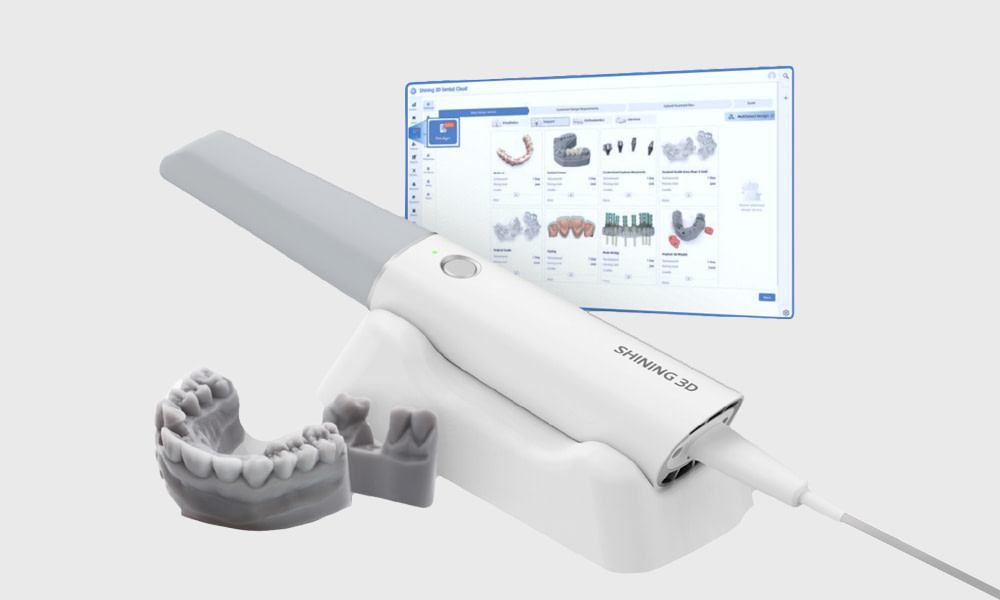
The Lync is targeted at budget-conscious practices that just need a scanner to capture digital impressions and send them to a lab. If you don't need orthodontic simulation, patient reports, or the full suite of CAD design tools, the Lync does the job at a lower price.
However, take note that the ELF costs $11,999 USD and includes all Elite-platform scanning technology, the full software suite, and unlimited cloud storage. Unless the Lync is priced significantly below that (which varies by region), the ELF is a noticeably better investment in almost every scenario. You get newer hardware, better scanning technology, and the complete software package.
Want more of the latest in dentistry?
Join the RAPID community
and get insights straight to your inbox.
The Elite Platform (Current Generation)
This is where Shining 3D has truly set itself apart. The Elite platform represents a significant upgrade over the Aoralscan 3 in every measurable way: improved camera systems, faster scanning, better algorithms, lighter hardware, and the addition of IPG (Intraoral Photogrammetry) on the Elite models.
Aoralscan ELF
The Aoralscan ELF is, in my opinion, the most significant scanner release by Shining 3D since the original Elite. ELF stands for Ergonomic, Lightweight, and Functional, and the name actually delivers on those promises.
- Price: $11,999 USD
- Weight: 106g (the lightest modern scanner available)
- Connection: Wired, USB-C (single cable, no power adapter)
- Software: Full suite included (all apps, IntelliBite, Plaque Management Suite)
- IPG: No
- Subscription: None
- Cloud Storage: Unlimited, free
- Construction: Plastic
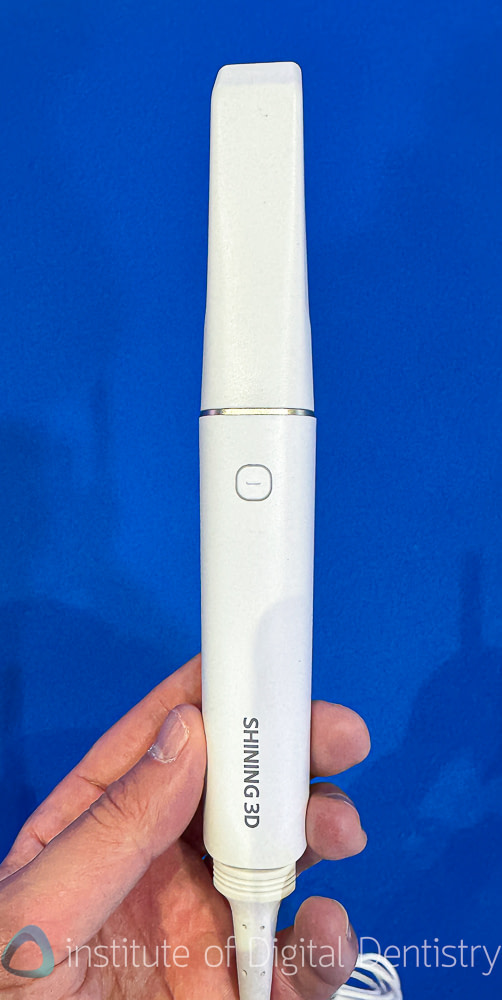
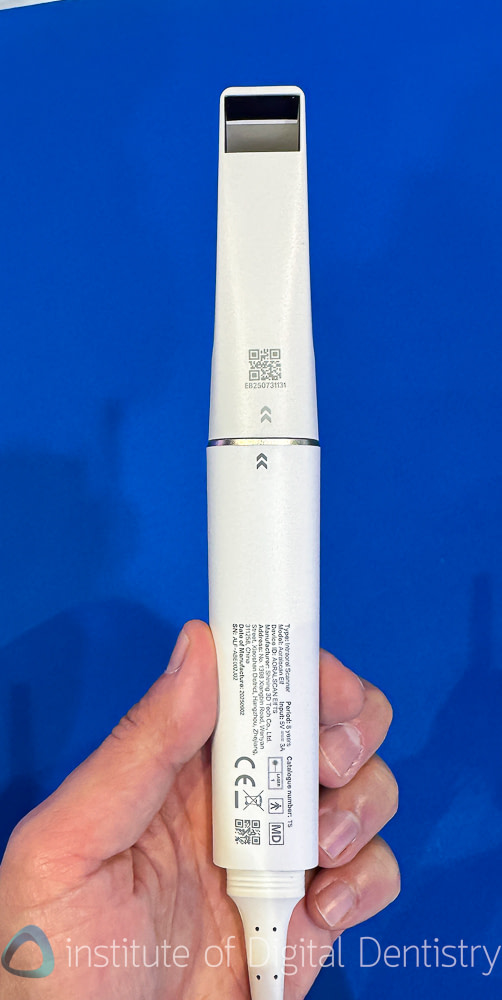
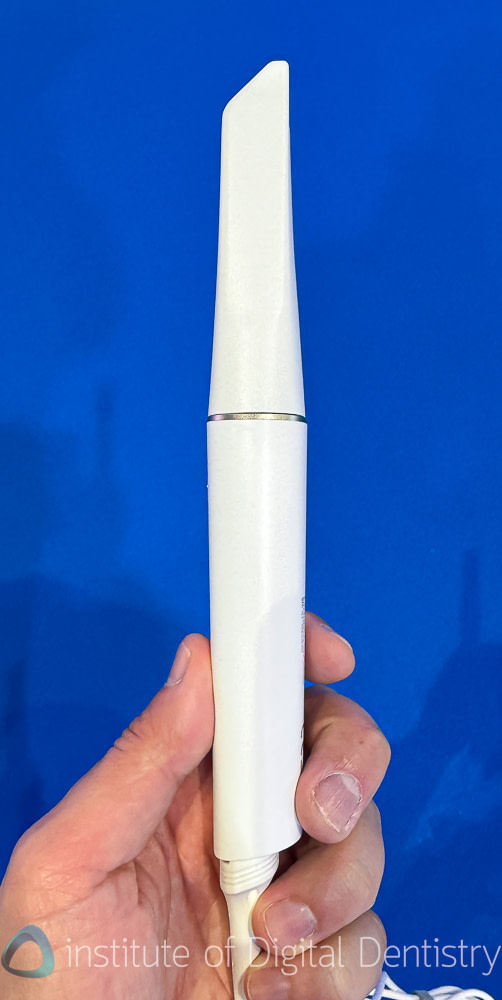
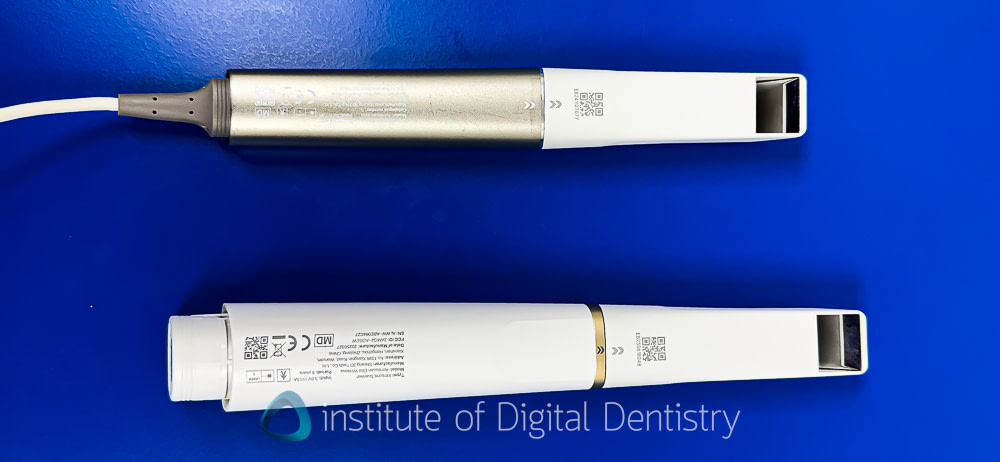
So what is the difference between the Aoralscan ELF and Elite? Simply put, the ELF is the Aoralscan Elite minus the IPG photogrammetry system, with a plastic body instead of metal, at $11,999 USD. That's $8,000 less than the wired Elite and $12,000 less than the Elite Wireless. Everything else is the same. Same scanning technology. Same camera system. Same software suite. Same scan speeds (full arch under 30 seconds). Same three tip sizes. Same accuracy for standard restorative and prosthetic cases.
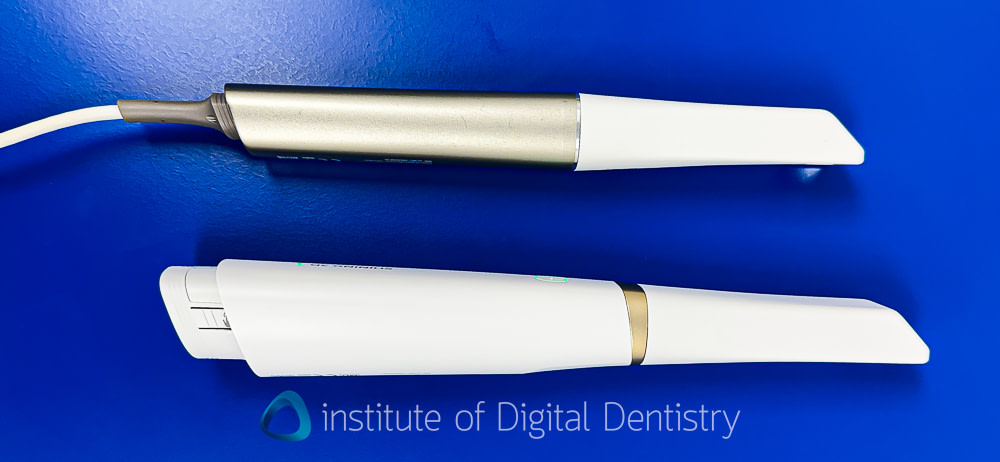
At 106 grams, the ELF is the lightest modern scanner I've held. Lighter than the Medit i900 (165g), lighter than the TRIOS 5 (299g), and even lighter than the wired Elite it's based on (124g). The plastic construction enables this, and while it feels less premium than the metal Elite, it has practical benefits: no scratching, and genuinely noticeable weight savings during long scanning sessions.
The value proposition here is staggering. At $11,999 USD, you get Elite-level scanning performance, a comprehensive software suite with no subscription fees, and the lightest scanner on the market. For the vast majority of dental practices that don't routinely restore full-arch implant cases, this is the Shining 3D scanner to consider.
This release puts pressure on every competitor in the sub-$15,000 segment, and even some above it. The benchmark has been reset.
Read our full ELF review here.
Aoralscan Elite
The Aoralscan Elite was released in late 2024 and was one of the most important scanner releases of that year. It introduced the world's first integrated intraoral photogrammetry (IPG) system, fundamentally changing how full-arch implant cases can be captured digitally.
- Price: $20,000 USD (includes IPG scan body kit)
- Weight: 124g
- Connection: Wired, USB-C (single cable)
- Software: Full suite included
- IPG: Yes (with coded scan body kit)
- Subscription: None
- Cloud Storage: Unlimited, free
- Construction: Metal
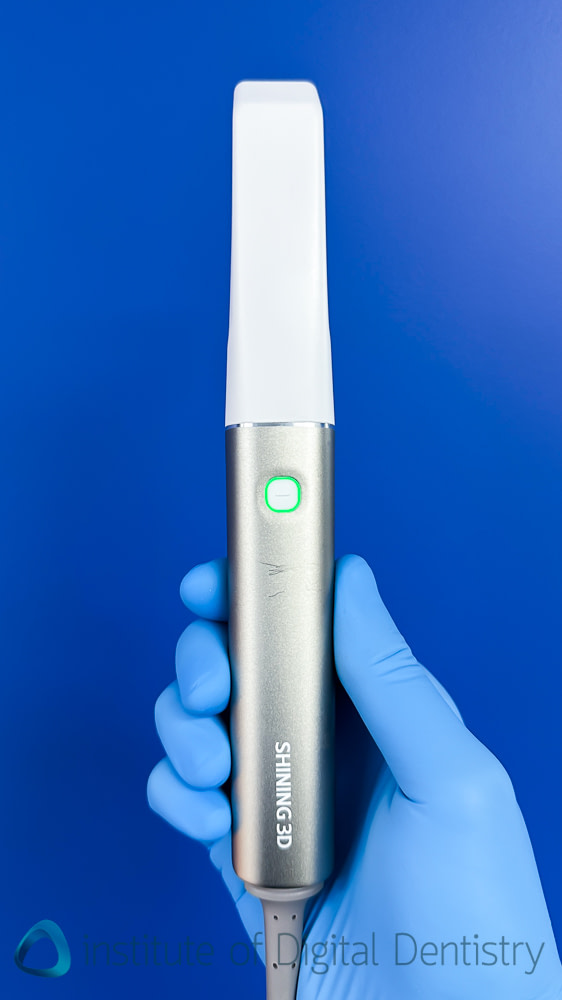
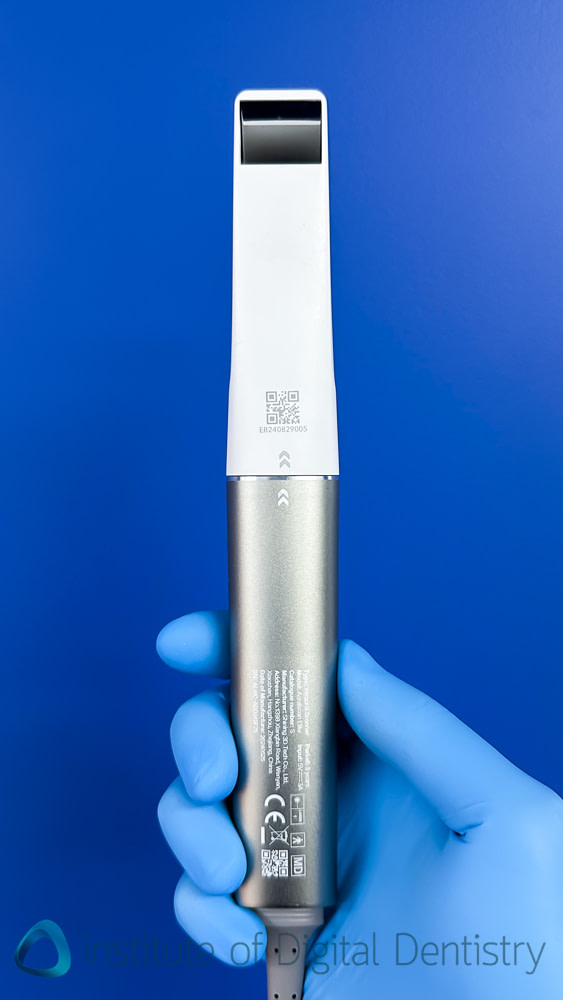

The Elite operates in two modes: a standard scanning mode (just like any other IOS) and an IPG photogrammetry mode for full-arch implant cases. In standard mode, it performs identically to the ELF. In IPG mode, it uses coded scan bodies to achieve photogrammetry-level accuracy for full-arch implant positions, eliminating the need for a separate photogrammetry unit (which traditionally costs $15,000-30,000 on its own).
In our extensive clinical and scientific testing, the IPG system has proven accurate to approximately 30 microns for full-arch implant work. The workflow is surprisingly simple to learn, and after a few cases, it feels natural.
The metal construction gives the Elite a premium feel, and at 124g, it was one of the lightest scanners available when it launched. It is wired only, but the single USB-C connection keeps things clean.
The $20,000 USD price tag positions it in the mid-premium segment, but consider what you're getting: a scanner that works as well as competitors for everyday cases AND an integrated photogrammetry system. For practices that regularly do All-on-X work, this scanner can genuinely save you the cost of a separate photogrammetry device.
The main caveat? The IPG technology, while proven in our hands, still has limited independent research validation. It works, and it works well, but if you need published peer-reviewed studies to feel confident, those are still building up.
Read our full Elite review here.
Aoralscan Elite Wireless
The Aoralscan Elite Wireless is Shining 3D's flagship scanner, released in 2025. It takes everything the wired Elite offers and adds wireless capability, plus an enhanced IPG kit.
- Price: $23,999 USD (includes enhanced IPG kit with cap scan bodies)
- Weight: 194g (with battery, the lightest wireless scanner available)
- Connection: Wireless (Wi-Fi 6), 2 hours continuous scan time
- Software: Full suite included
- IPG: Yes (enhanced kit with cap scan bodies for immediate loading)
- Subscription: None
- Cloud Storage: Unlimited, free
- Construction: Plastic
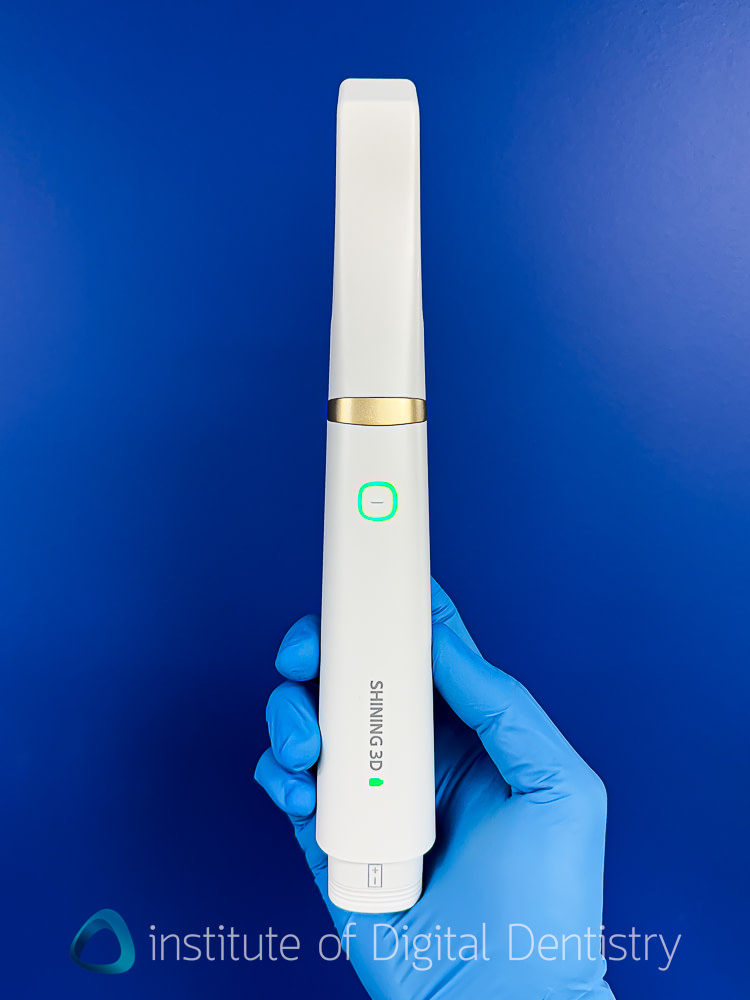
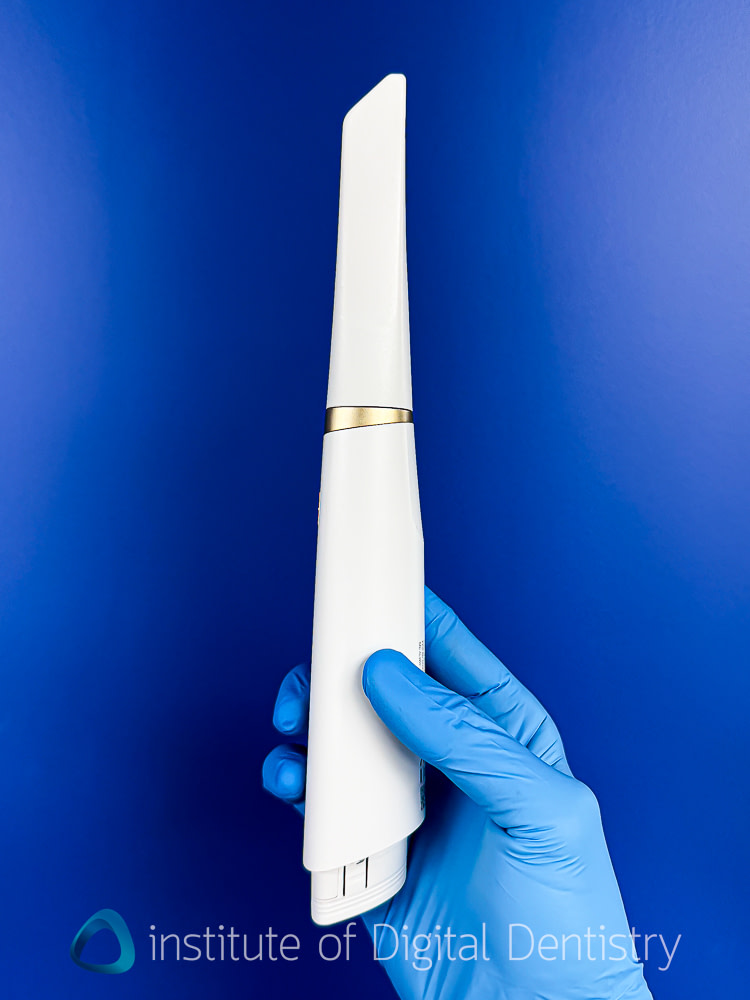
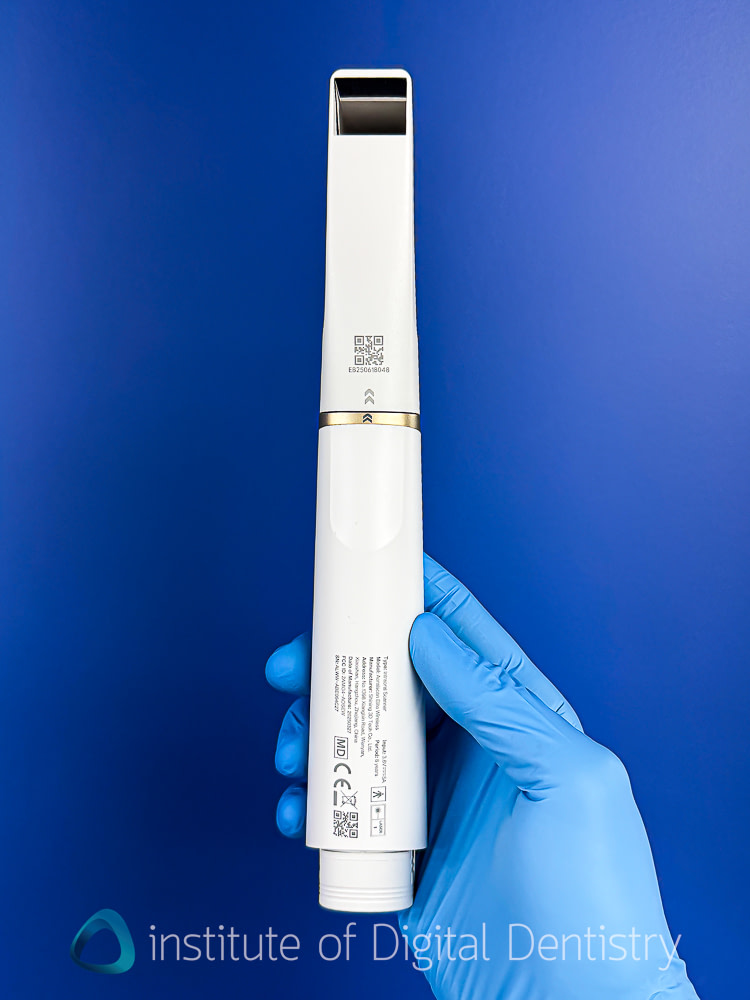
The key question with the Elite Wireless was whether IPG could transition to wireless without compromising accuracy. The answer is yes. In our testing, IPG accuracy is maintained, and the Wi-Fi 6 connection is stable and reliable.
At 194g including the battery, the Elite Wireless is the lightest wireless scanner on the market. That's remarkable considering the TRIOS 5 weighs 299g and the Medit i700 Wireless weighs 328g. The shift from metal to polymer construction enabled this, and while it may feel slightly less premium, I've found it ages better as the metal Elite was prone to scratching.
The enhanced IPG kit is a nice addition, including cap scan bodies specifically designed for immediate loading protocols. The organization and presentation of the IPG kit feel more refined compared to the original Elite's kit.
The downsides? The universal batteries and battery charging case feel like they were rushed to market. I'm not a fan of premium scanners using generic batteries. And the $23,999 price tag is a $4,000 premium over the wired Elite purely for wireless functionality.
For practices doing regular All-on-X work who also value wireless freedom, this is the scanner. For practices that are happy with a cord, the wired Elite at $20,000 delivers the same clinical capability at a lower cost.
Read our full Elite Wireless review here.
What All Shining 3D Scanners Share
Before getting into the comparison table, it's worth noting what's consistent across the entire Shining 3D lineup:
Open architecture: All scanners export in STL, OBJ, and PLY formats, compatible with exocad and other major CAD/CAM platforms. Yes, all Shining 3D scanners are compatible with exocad.
No subscription fees: No Shining 3D scanner requires a subscription fee for scanning or software access.
Autoclavable tips: 100 autoclave cycles per tip across the range
Similar computer requirements: Intel Core i7-8700, 16GB RAM, NVIDIA RTX 2060 or higher (note: Shining 3D has flagged that RTX 3050, 4050, and 5050 GPUs are NOT compatible)
Cloud platform: All connect to the Shining 3D cloud for case transfer and storage (though the Lync has limited storage)
Integrated ecosystem: Shining 3D is the only IOS company that also produces a 3D printer (AccuFab-CEL) and face scanner (MetiSmile), giving them a unique end-to-end digital workflow
This shared foundation means that whichever Shining 3D scanner you choose, you're getting into the same ecosystem. The difference is what level of hardware and software you're buying into.
Want more of the latest in dentistry?
Join the RAPID community
and get insights straight to your inbox.
Comparing All Shining 3D Scanners - Specs and Prices
Feature | Aoralscan 3 | Aoralscan 3 Wireless | Lync | ELF | Elite | Elite Wireless |
Platform | Aoralscan 3 | Aoralscan 3 | Aoralscan 3 | Elite | Elite | Elite |
RRP (USD) | ~$10,999 | ~$14,000 | Contact distributor | $11,999 | $20,000 | $23,999 |
Weight | 240g | 330g | 116g | 106g | 124g | 194g |
Connection | USB-B + power adapter | Wi-Fi 6 | USB-C | USB-C | USB-C | Wi-Fi 6 |
IPG | No | No | No | No | Yes | Yes |
Software | Full suite | Full suite | No | Full suite | Full suite | Full suite |
Cloud Storage | Unlimited | Unlimited | 50GB | Unlimited | Unlimited | Unlimited |
Body Material | Plastic | Plastic | Plastic | Plastic | Metal | Polymer |
Subscription | None | None | None | None | None | None |
Tip Cost | $45 each | $45 each | TBC | ~$50 each | ~$50 each | ~$50 each |
Key Feature | Affordable entry | Budget wireless | Bare-bones option | Best value | IPG photogrammetry | IPG + wireless |
Prices are approximate and vary by region. Check with your local Shining 3D distributor for current pricing. For a full breakdown of every scanner price on the market, see our Intraoral Scanner Price Guide.
So Which Shining 3D Scanner Should You Buy?
After testing nearly every scanner in this lineup, here are my honest recommendations based on what you need.
Best Shining 3D Scanner for Value
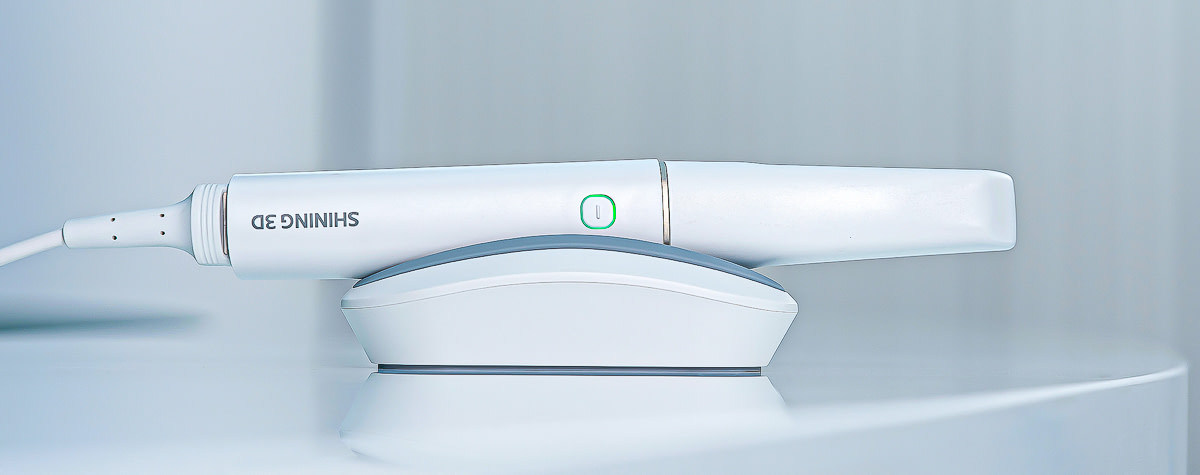
The Aoralscan ELF at $11,999 USD. It's not even close. You get current-generation Elite scanning technology, the full software suite, no subscription, and the lightest scanner on the market. For the vast majority of dental practices, this is the Shining 3D scanner to buy.
Best Shining 3D Scanner for Full Arch Implants
The Aoralscan Elite at $20,000 USD if you're happy with wired, or the Elite Wireless at $23,999 if wireless matters to you. IPG is a genuinely innovative system that can eliminate the need for a separate photogrammetry unit. If All-on-X is a significant part of your practice, these scanners pay for themselves.
Best Shining 3D Scanner if You're Upgrading
The ELF is the natural upgrade path from any Aoralscan 3 variant. It offers better scanning technology meaningfully at an accessible price point. If you're upgrading from an Aoralscan 3 and doing full-arch implant work, consider the Elite instead.
Budget is Your Primary Concern
The Lync at the absolute lowest price point (if available in your country), or the ELF at $11,999. ELF offers significantly more capability and is remarkable value. I would strongly recommend spending a little bit more if you can.
The Honest Truth About the Aoralscan 3
The Aoralscan 3, wired and wireless, is effectively a legacy product now. They are still perfectly functional scanners that will serve you well. But if you're buying new today, the ELF offers newer, better technology for the same price. The only exception is if wireless capability is a must-have, in which case the Aoralscan 3 Wireless fills a gap for a lower cost wireless scanner compared to ELITE Wireless.
How Shining 3D Compares to the Broader Market
It's worth briefly placing Shining 3D in the context of the wider IOS market. If you're cross-shopping between brands, we've published similar comparison guides for Medit's scanner range and 3Shape's TRIOS lineup.
At the entry level, the ELF at $11,999 competes directly with the Medit i600 (~$10,500 USD) and the 3Shape TRIOS Core ($12,400 USD). The ELF offers the lightest design and a comprehensive software suite. The Medit i600 is cheaper but uses an older Medit platform, and the TRIOS Core is a stripped-down 3Shape experience. Each has trade-offs.
At the premium level, the Elite at $20,000 competes with the Medit i900 (~$18,999 USD) and is significantly cheaper than the TRIOS 5 ($25,900) or TRIOS 6 ($27,900). The key differentiator here is IPG: no other scanner company offers an integrated photogrammetry system. If full-arch implant scanning is important to your practice, the Elite has no direct competitor in its price range.
The rate of innovation from Shining 3D has been staggering. No other IOS company has released this many products in such a short period, and the quality has improved with each release. They are no longer just competing on price. They are competing on innovation.
Conclusion
Shining 3D now offers one of the most diverse scanner lineups in the IOS market, spanning from the budget-oriented Lync all the way to the flagship Elite Wireless with integrated photogrammetry. The key to choosing the right one is understanding the two platforms: the older Aoralscan 3 generation and the current Elite generation.
For most dental practices, the decision to buy a new scanner today is straightforward. If you don't need IPG, buy the ELF. At $11,999, it delivers Elite-level scanning performance, a comprehensive software suite, and the lightest scanner on the market. It has reset expectations for what a sub-$15,000 scanner should offer.
If you do full-arch implant work regularly, the Elite ($20,000) or Elite Wireless ($23,999) gives you something no other scanner can: built-in photogrammetry that eliminates the need for a separate, expensive photogrammetry system.
The Aoralscan 3 variants have served the market well and remain functional products. But with the ELF now available at a similar price, they have been surpassed by Shining 3D's own newer technology.
It will be interesting to see where this company goes next. If the past few years are any indication, they are far from done innovating.
If you have any questions or need help deciding which scanner is right for your practice, leave them in the comments below.
Thanks for reading.