


September 2026 marks two years since Straumann launched Straumann SIRIOS, and I wanted to step back and look at the bigger picture of what's happening in the digital dentistry market.
I've covered this scanner from the very start. I wrote about Straumann's original announcement in September 2024, put the original SIRIOS through a full review in May 2025, and reviewed the SIRIOS X3 in December 2025, when Straumann started to differentiate itself from Alliedstar hardware.
Two years in, I wanted to reflect on wer a simpler question: was this a good move for Straumann, and how has the platform evolved over this time?


Two Years At a Glance
Before the details, here's the short version of the journey for anyone who hasn't followed this story.
September 2024 - Straumann SIRIOS (first generation) launch, same hardware as the Alliedstar AS200E with new Straumann SIRIOS software. The company began improving the software and moving away from the Dental Wings days.
May 2025 - I published my full hands-on review. Scanning performance is excellent, but the software still feels early and heavily tied to a separate Straumann AXS browser experience.
April 2025 to July 2026 - Five major software releases land in eighteen months, adding full-arch workflows, AXS automation, HD scanning, and workflow flexibility fixes.
October 2025 - The SIRIOS X3 launches, Straumann's first scanner with exclusive hardware design and the Straumann badge - note that Virtuo Vivo did not carry the Straumann logo. Read the iDD review here.
September 2026 - Straumann SIRIOS turns two, with Straumann focusing more on workflow flexibility and a fresh design language on the way.
That's the timeline. Now let's get into why it matters in the scanner landscape.

How We Got Here
Straumann's scanner history before SIRIOS had its challenges. Before SIRIOS, Virtuo Vivo was Straumann’s intraoral scanner offering. And by 2024, as the market evolved, competition in the intraoral scanning space continued to intensify. It was an OK scanner, but it was quickly outperformed by the main companies we see today.
Then in 2023, Straumann acquired Alliedstar, a scanner manufacturer whose hardware I had already tested extensively at iDD and rated highly. A year later, Straumann SIRIOS launched. At the time, I said this acquisition was an incredibly smart decision, and I still think that.

Their previous intraoral scanner, the Virtuo Vivo
Rather than spending years developing a new scanner from scratch (or continuing to try the Virtuo Vivo solution), Straumann bought a company that already made excellent, well-proven scanning hardware and put its resources into the two things that actually differentiate a scanner platform today: software and ecosystem integration.
I would go so far as to say the Alliedstar acquisition is one of the best acquisitions we have seen in the intraoral scanner space in recent years. It gave one of dentistry's largest companies a genuinely competent scanner almost overnight and freed them to focus entirely on the harder problem - workflows.
Compare this to what a from-scratch scanner development timeline usually looks like. Companies like 3Shape, Dentsply Sirona and Align have spent years, sometimes over a decade, refining their scanning hardware and optics. The acquisition gave Straumann a strong hardware foundation quickly.
The Hardware Side of the Story
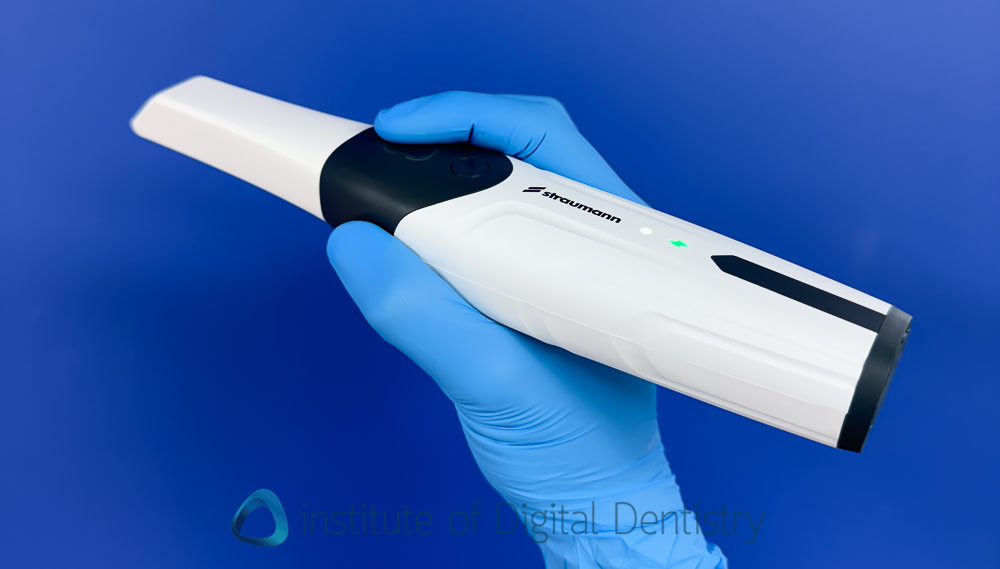
For most of Straumann SIRIOS's life, the hardware conversation revolved around the original SIRIOS, which was very similar to the AS200E. Same 245g weight, same dual scan button design, same wireless charging, same tips. Straumann didn't change any of it beyond the color and the logo.


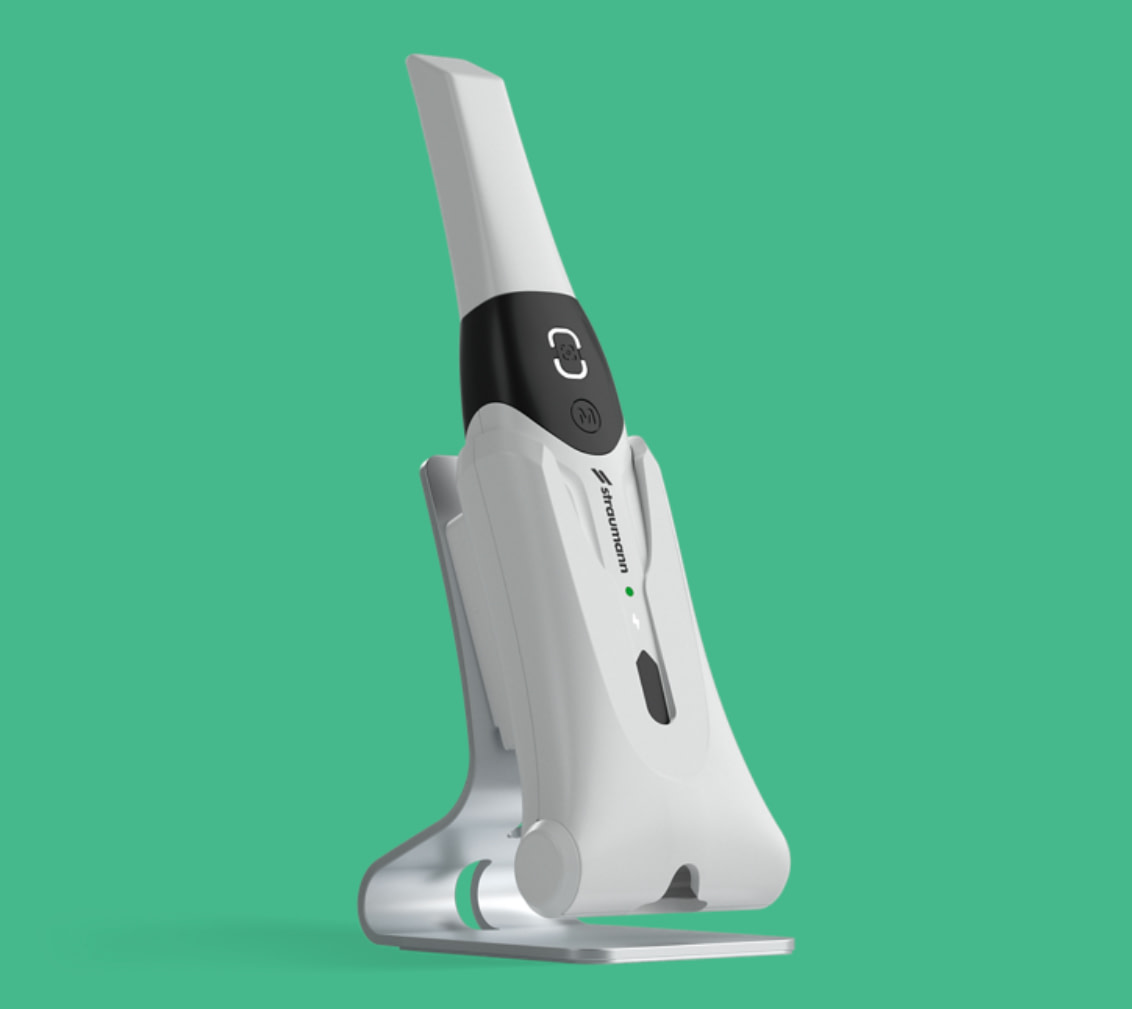
That changed with the SIRIOS X3 in October 2025, the first Straumann scanner with an exclusive design. At 214 g, it's lighter again; it has its own design language, an LED ring for scanning feedback and a premium look, fast wireless charging, and a noticeably more premium build. It's priced at $17,995 USD, moving SIRIOS into the mid-to-premium segment.

I won't repeat the whole review here (read it for the full breakdown), but the short version is that the hardware has always been solid, and now Straumann is building its own identity on top of that foundation. Scanning speed, accuracy, and stitching reliability have never really been the concern with this platform. It really is a great scanner.
Software Was Always Going to Be the Real Test
When I wrote my original SIRIOS review, I said the software "needs refinement" as one of the main cons, and I called out a cluttered interface, a fragmented scanning experience, forced browser windows for Straumann AXS features, and long loading screens.
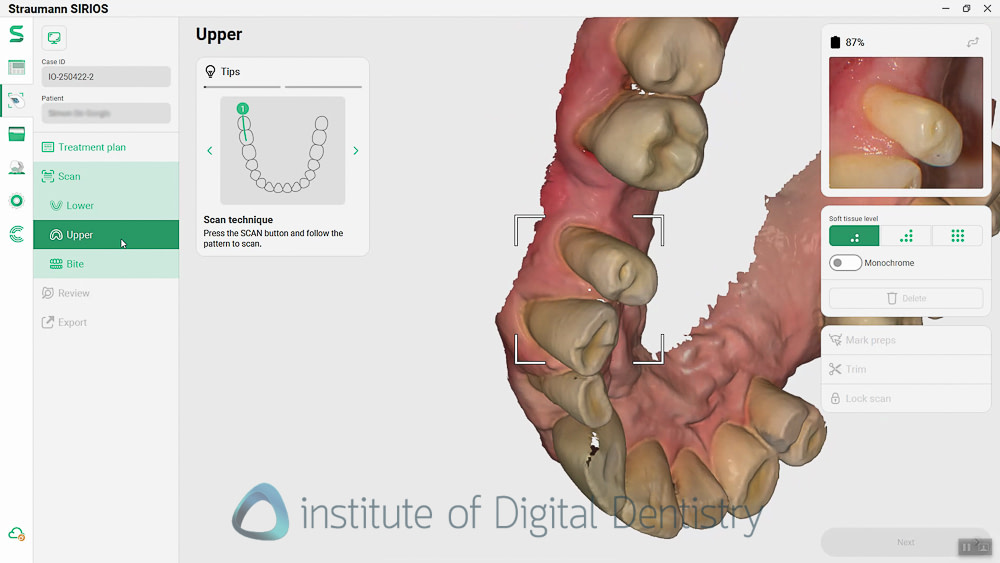
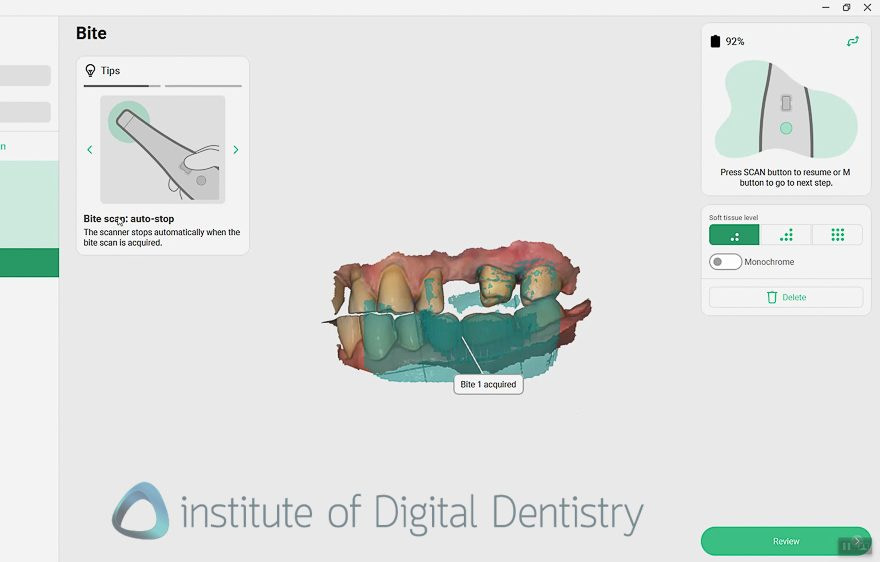
By the time I reviewed the SIRIOS X3, some of that had genuinely improved, but I also flagged other frustrations, like not being able to complete a case without scanning both arches and a bite, no ability to add extra scan windows outside a fixed workflow, and only being able to take two bite registrations per case.
This is really the story of the last two years for Straumann SIRIOS. The focus has been on software.


The SIRIOS Software Timeline
Here are all major Straumann SIRIOS software releases since the beginning of 2025.
Version 1.0.2, April 2025 - Soft Tissue Management, a dedicated tool to filter and control how aggressively the AI captures gingival tissue during a scan.
Version 1.0.3, July 2025 - Automatic Scan Upload to Straumann AXS, a Dedicated Full-Arch Workflow, and a Chairside 3D Printing workflow with Smart Design.
Version 1.0.4, September 2025 - A new Homepage User Interface, alongside the launch of the Straumann SIRIOS X3 with Action Menu connectivity to the SIRIOS software.
Version 1.0.7, May 2026 - Smart HD Scanning, bi-directional patient synchronization with Straumann AXS, and Skip Scan.
Version 1.0.8, July 2026 - Swap Arches, along with improvements to the Chairside Smart Design workflow.
That's five releases in eighteen months, a decent cadence for a scanner platform and noticeably faster than what I remember from the Virtuo Vivo days.

The Software Improvements That Actually Mattered
A changelog on its own doesn't tell you which of these actually change anything day to day in clinic. So here is my own list, based on actually using it.
Going from two disconnected apps to one piece of software. This isn't on the version list above because it happened at launch, but it's the single most obvious software improvement over the Alliedstar experience. Alliedstar splits scanning and case management across two separate programs, ScanPro and AS Connect. Straumann SIRIOS folded that into one cohesive application from day one, and it's what makes SIRIOS feel like a different product rather than a rebadged scanner with a new sticker on it.
The Dedicated Full-Arch Workflow. Full-arch and implant cases are one of the harder workflows to get right in scanner software, because you're usually juggling multiple scans (temporaries, finals, try-ins) for the same patient. Straumann's dedicated workflow groups all of that under one case rather than scattering it across separate files, and combined with automated steps, this has made full-arch cases less fiddly than they were on the original SIRIOS software.
Straumann says they will continue to improve this workflow, and some new features are already expected in the next software release this year.
Skip Scan and Swap Arches. I flagged this lack of flexibility in my SIRIOS X3 review, criticizing the fact that you couldn't scan a single arch on its own or move between workflow steps without restarting. These two updates address that pain point, and it's good to see a company respond to the kind of workflow flexibility that clinicians actually ask for, rather than just adding new marketing features. Straumann has changed and renamed the workflow to Simple Scan, where users have the flexibility to select only one arch to be scanned
Automatic Scan Upload and Bi-Directional Sync with AXS. The AXS integration was one of my criticisms in both prior reviews, mostly because so many features required opening a separate browser window. Automating the upload and then adding two-way patient sync between SIRIOS and AXS has closed some of that gap.
Smart HD Scanning. A higher-resolution scanning mode for cases where you want maximum detail, such as fine margins or complex restorative work. Worth noting, and I said this to Straumann directly: features like HD scanning or a higher-resolution mode aren't particularly exciting on their own anymore. Most modern scanners on the market offer some version of this now, so it's less a standout feature and more table stakes to stay competitive.
Soft Tissue Management and the Chairside 3D Printing workflow with Smart Design both deserve a mention too. The soft tissue filtering genuinely helps when you want fine control over how much gingiva the AI captures around a prep versus an edentulous ridge. The chairside 3D printing workflow, tied to Straumann's MIDAS and Rapidshape printer integrations through AXS, is an early piece of what could become a useful in-house scan, design, and print pipeline down the line.

Where the Software Still Has Work to Do
Straumann AXS integration, while much improved, still could be more seamless. Much of it still opens in a browser window rather than living natively inside the SIRIOS software, and the application suite available through AXS (Model Builder, Scan Compare) would also benefit from more fleshing out.
Scan textures have also been a bit of a moving target. The original SIRIOS had genuinely nice, photo-realistic texture mapping after post-processing. The X3's default textures moved to something more cartoon-like, presumably to speed up post-processing, with a "high-contrast color" setting available to bring it closer to the old look at the cost of processing time. It is improving with time, and we are getting flexibility.

More broadly, the software ecosystem simply hasn't had the years of runway that Medit, 3Shape, or iTero have had. That's not a criticism unique to SIRIOS; it's just the reality of entering a mature market from a standing start two years ago. Medit Link, for comparison, has had roughly a decade of third-party app development behind it. Straumann won't close that gap in eighteen months, and I don't think it's realistic to expect that.
I'd also add that some of the features, like HD scanning, swapping arches mid-case, or uploading scans automatically, aren't really differentiators on their own anymore. They're increasingly just what's expected of any modern intraoral scanner in 2026. The more interesting story to me isn't any single feature on that list; it's the direction of travel, and how quickly a company with Straumann's size and existing digital ecosystem (implants, CAD, surgical planning, and now chairside printing) can close the remaining gaps.
What Straumann Is Hinting At Next
Straumann shared some of what's coming, so I think it's worth including here for anyone interested in what's going on.
The next release is expected to keep pushing workflow improvements, with Full-Arch again called out as a specific area of continued investment, and it is apparently a key focus heading into IDS next year. The company just announced Straumann SIRIOS™ APS, their dedicated Arch Positioning System featuring (once again) horizontal scanbodies designed to make full-arch scanning workflows simpler and more predictable.

More broadly, Straumann has told me their goal is to move away from a handful of rigid, predefined workflows towards something where you can shape your own scanning protocol, rather than being boxed into "Crown and Bridge", "Full Arch" or "Simple Scan" as fixed options the way the SIRIOS software currently works.
There's also a new, modernized user interface planned to roll out, described to me as an evolution of the "Virtuo Vivo IOS heritage" look, and apparently the first step in a design language Straumann plans to bring across the rest of the software over the coming months. It suggests a company that's thinking about visual consistency across its whole digital ecosystem, not just shipping features in isolation.
So Was Acquiring Alliedstar a Good Move?
Two years on, yes, and I don't think that's a particularly controversial thing to say anymore.
Straumann took a company with excellent scanning hardware and used the team to focus on the real differentiator in this market: software and ecosystem. They solved the hardware question almost immediately. The software question has taken the full two years and multiple release cycles to properly address, and honestly, it's still a work in progress.
What I find most interesting is that Straumann is now one of a very small number of companies that can genuinely claim an end-to-end digital workflow under one roof: scan with SIRIOS, design with Smart Design, plan surgery with coDiagnostiX, print chairside with MIDAS, and if you want to outsource or collaborate with your lab, you can do it directly from AXS. Very few companies can say the same thing, and that's the real prize behind this whole acquisition, not the scanner itself.
They are also quickly becoming one of the most important OEMs in the market...
Where does SIRIOS go from here? Straumann clearly isn't done. They're still rolling out updates every few months, still investing heavily in AXS, and still listening to user feedback. Whether they can close the gap with the more mature ecosystems from Medit, Shining 3D, and 3Shape in the next year or two is genuinely one of the more interesting things to watch in this space.
If you have any questions about SIRIOS, or want to see my full hands-on reviews, check out my original SIRIOS review and my SIRIOS X3 review. Thanks for reading.