

A framework that misses passive fit by just 40 to 50 microns, roughly half the width of a human hair, can cause screw loosening, bone loss, and eventual failure. That is not a rounding error. That is the entire case.
I get asked constantly why full-arch cases feel so much riskier than a single crown or a three-unit bridge. The scanner is the scanner, right? Not quite. Once you move from one implant to an edentulous arch, the maths against you changes completely.
Most of the reasons a full-arch prosthesis rocks, a screw keeps loosening, or bone starts disappearing around an implant, trace straight back to how that arch was captured in the first place. This post is about the mechanism, not the marketing. What actually goes wrong, what it costs biologically and prosthetically, and the three approaches dentistry has used to try to fix it.
Passive fit is the whole job
A full-arch implant prosthesis needs to sit on its abutments or multi-unit bases without forcing anything into place. That is passive fit. No preload from the frame itself. No strain transmitted into the bone the moment you torque the final screw.
Single-unit and short-span work is forgiving of small inaccuracies. A full-arch screw-retained restoration has none of that give. Every implant is rigidly connected to every other implant through the same piece of metal or zirconia. There is nowhere for an inaccurate scan to hide.
Where the stitching error comes from
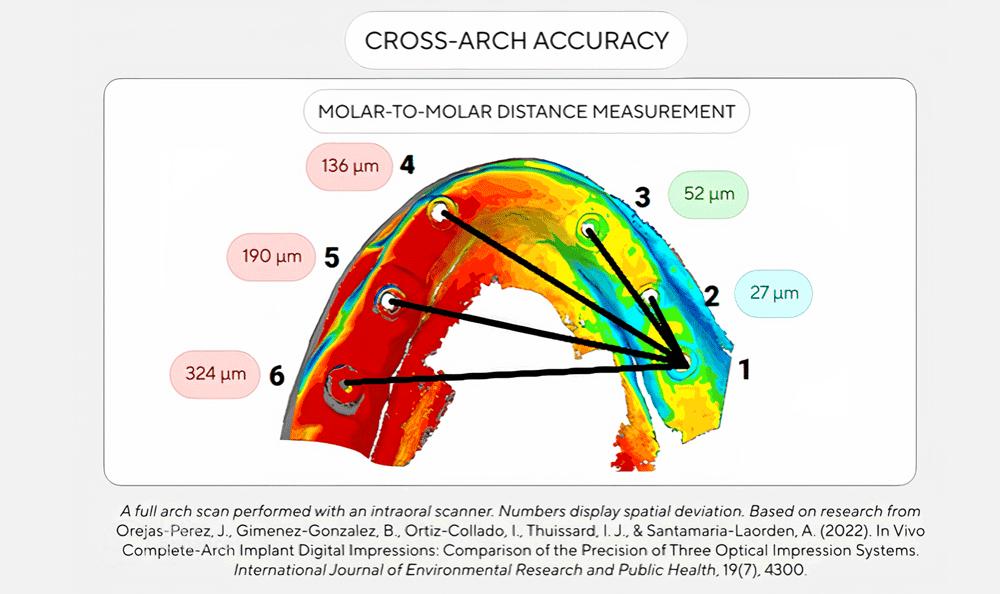
Intraoral scanners build a 3D model by stitching together hundreds of individual frames as the wand moves through the mouth. For a single tooth or a short span, the wand covers the area in a handful of passes, and the stitching error stays small.
Across a full edentulous arch, the wand has to travel a long path, frame to frame, implant to implant, all the way around the arch. Each stitch introduces a tiny amount of error.
Those small errors do not cancel out. They accumulate, and the further apart two implants sit on the arch, the more that accumulated error shows up as real, measurable distortion between them.
This is why a scanner that looks completely reliable on a single unit can produce a full-arch scan that is meaningfully off. The scanner has not changed. The task has.

What a misfit actually costs
A framework that comes back from the lab with a 40 to 50 micron discrepancy will not look wrong. It will often seat, at least partway, and the case can proceed. That is what makes this dangerous rather than obvious.
Force the frame the rest of the way with the retaining screws, and you preload the implants that are slightly out of position. That preload does not go away once the screw is tight. It sits there, permanently loading the implant-bone interface in a direction it was never meant to carry.
Over time, that translates into the failure modes every implant clinician has seen. Screws that keep coming loose no matter how many times you retorque them. Bone loss around one or two implants in an otherwise stable arch. In the worst cases, outright mechanical or biological failure of the restoration. All of it traceable back to a misfit measured in microns, at the scanning stage, months before anyone noticed a symptom.
Why single-unit confidence does not transfer
This is the trap I see catch good clinicians. You have scanned hundreds of single crowns and short bridges on your intraoral scanner, and the fit has been excellent every time. So when a full-arch implant case comes in, it feels reasonable to trust the same scanner, the same workflow, the same confidence.
The problem is that single-unit accuracy and full-arch accuracy are not the same measurement. A scanner can be genuinely excellent at capturing a short span while still introducing unacceptable stitching errors across a full arch.
The failure mode only appears once the working area gets large enough for those small per-frame errors to compound. You cannot infer full-arch performance from single-unit performance. They fail differently, so they have to be tested differently.

Know what’s next in dentistry. Before everyone else.
The innovations, clinical insights, and digital trends that matter - curated by iDD and delivered straight to your inbox every week.
Three ways dentistry has tried to solve this
None of these are new problems, and dentistry has not been standing still. Three distinct approaches exist, each trying to close the gap between what an intraoral scan or physical impression captures and what a passively fitting full-arch frame requires.
Verification jigs. The traditional answer. A rigid jig is fabricated, sectioned, and reassembled intraorally to verify or correct the accuracy of a working cast or a digital file before the final framework is made.
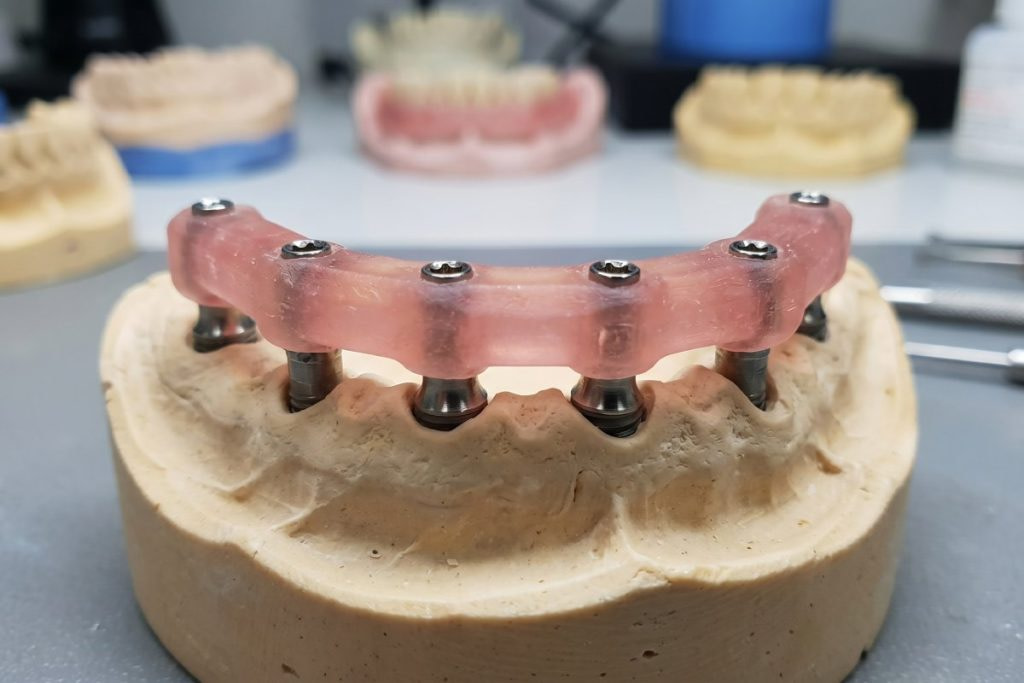
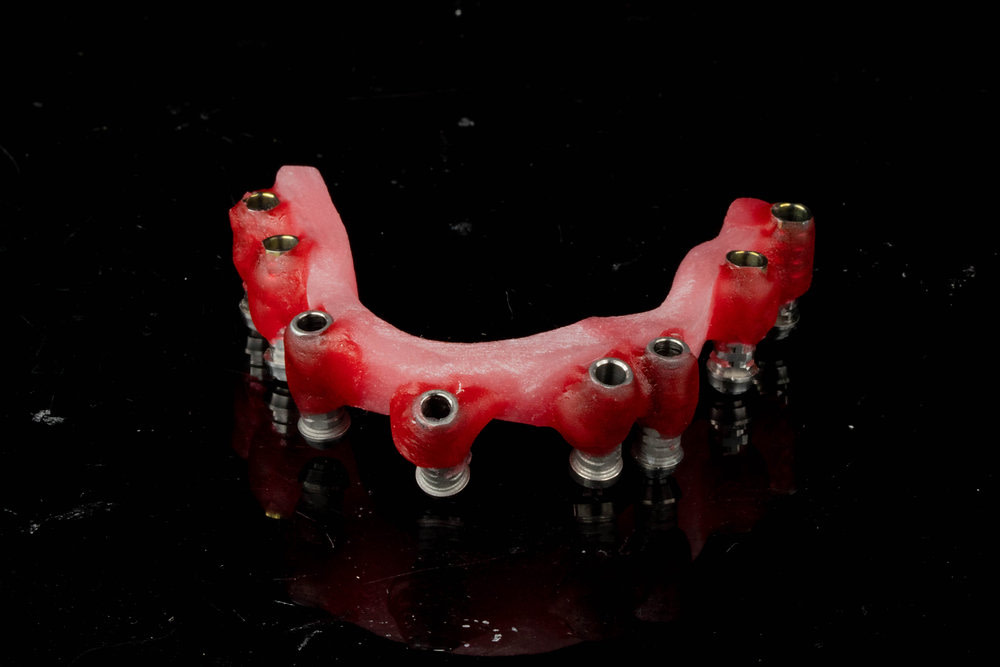
It works, and it has decades of use behind it. It is also slow; it depends heavily on lab skills and turnaround time, and it adds a clinical appointment solely to check a problem that ideally should not exist in the first place.
Photogrammetry. A purpose-built extra-oral camera system that captures the spatial relationship between implants directly, without stitching a full intraoral surface scan. It sidesteps the stitching-error problem almost entirely, which is exactly why it has become the reference standard many clinicians reach for.
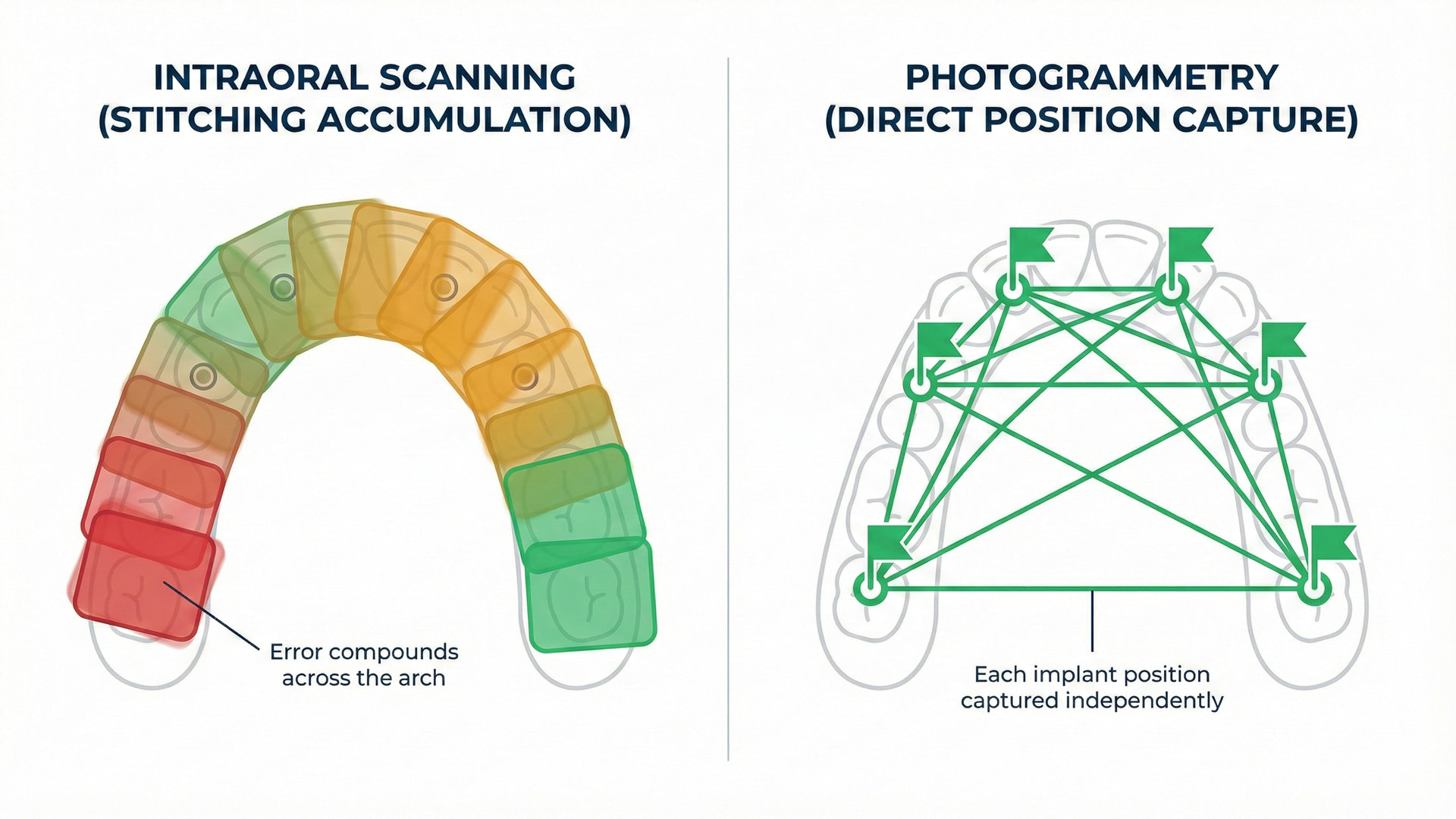
The catch is the hardware itself. A dedicated photogrammetry unit sits in the cost class of around 30-40 thousand dollars, well out of reach for a lot of practices that may only do full-arch work occasionally.
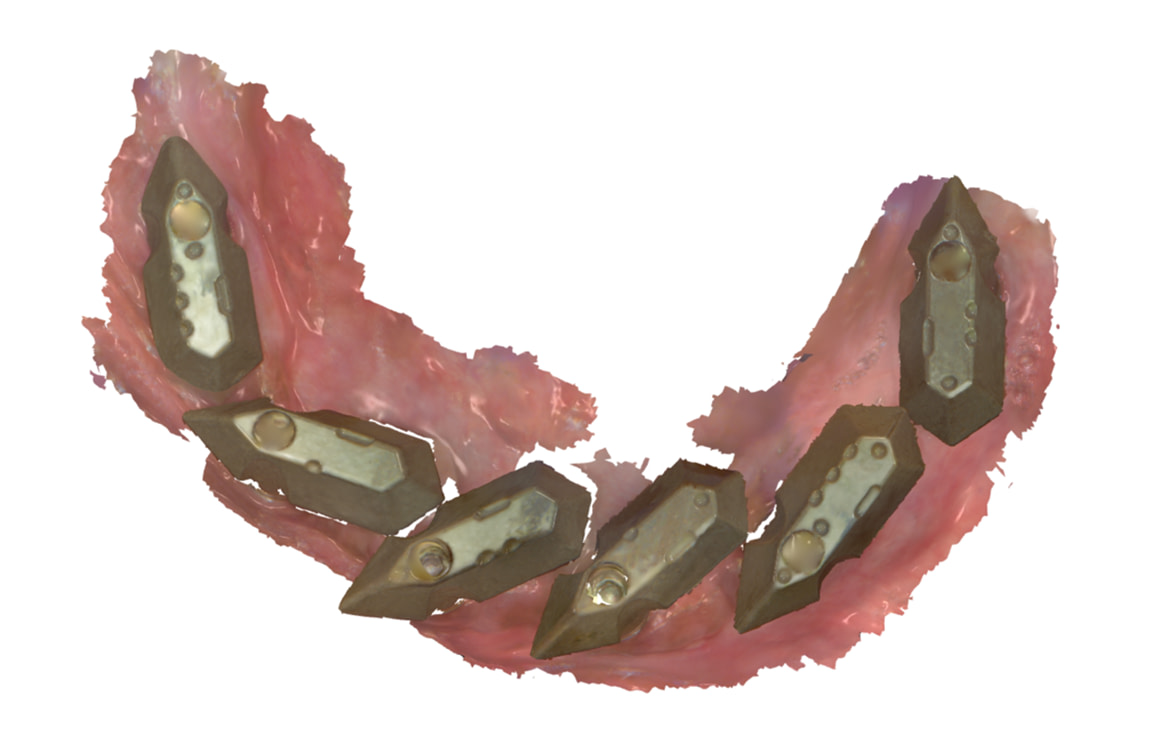
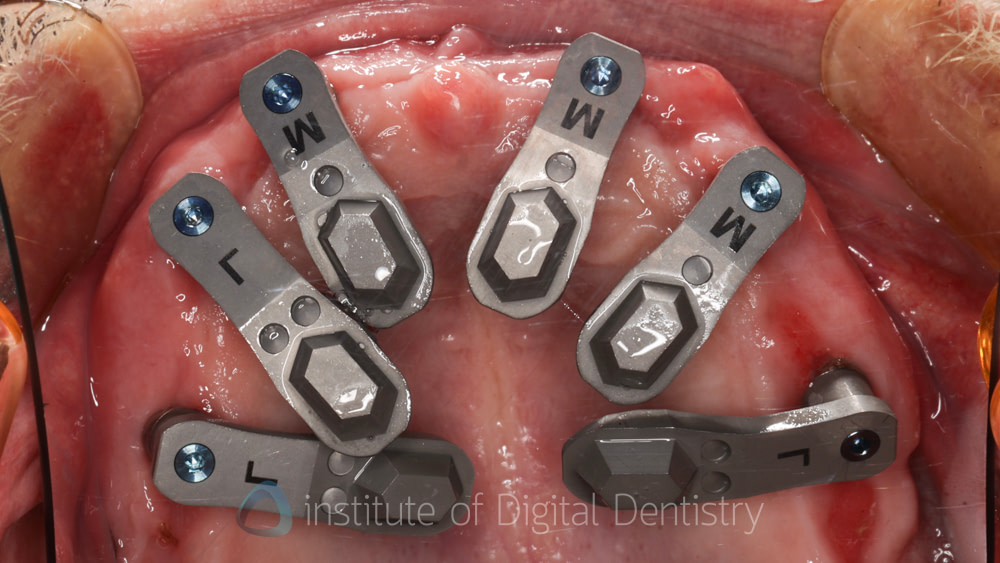
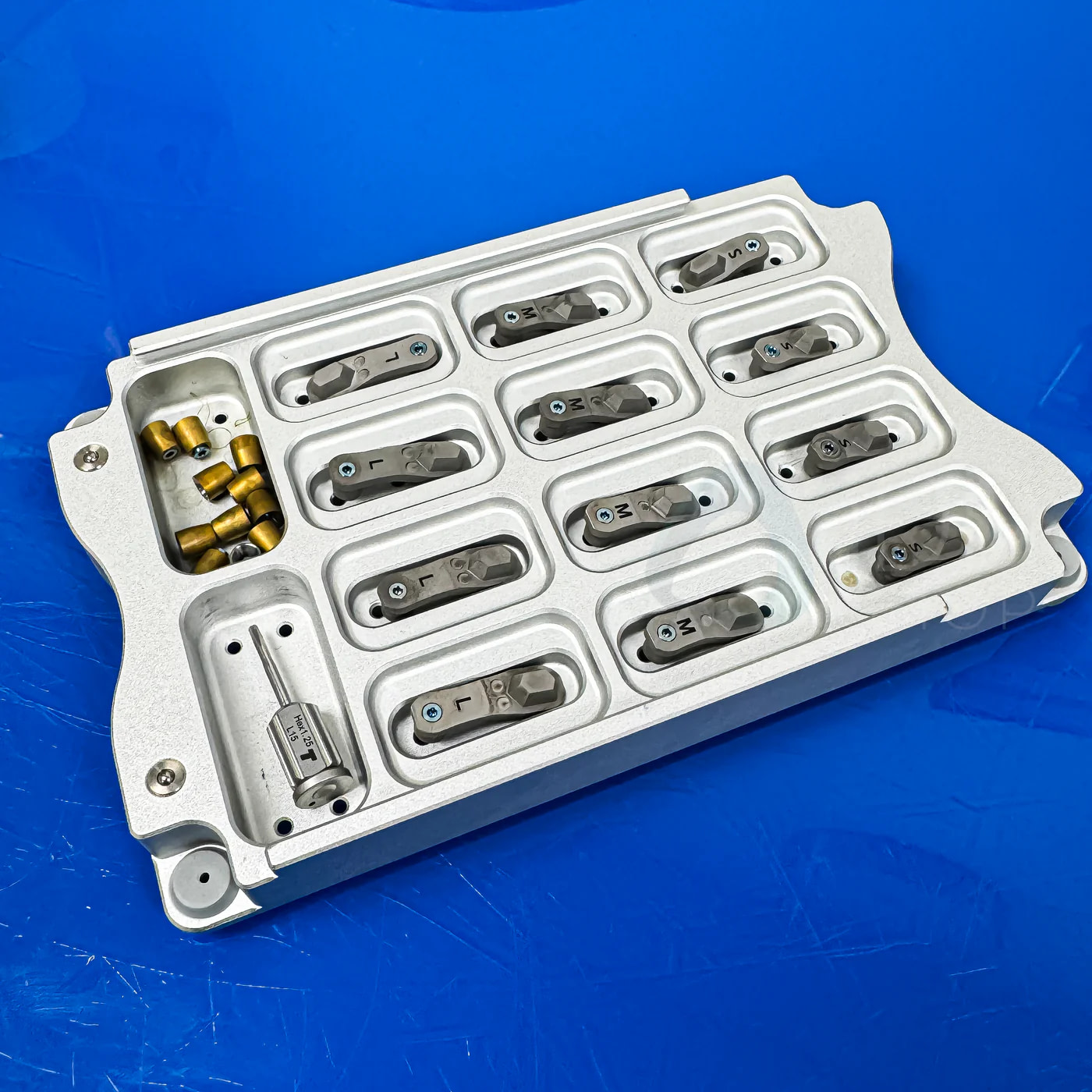
Horizontal scanbodies. The newest development, and the one that has changed the conversation. Rather than relying on tall vertical scanbodies that a stitching algorithm still has to piece together across the arch, horizontal scanbody systems are designed to be captured and related to each other in a way that reduces how much the scanner has to stitch across distance.
They run on an intraoral scanner you may already own, which is the appeal. Whether a given horizontal scanbody system actually closes the accuracy gap on photogrammetry, and by how much, is not something you can take on faith from a product page.

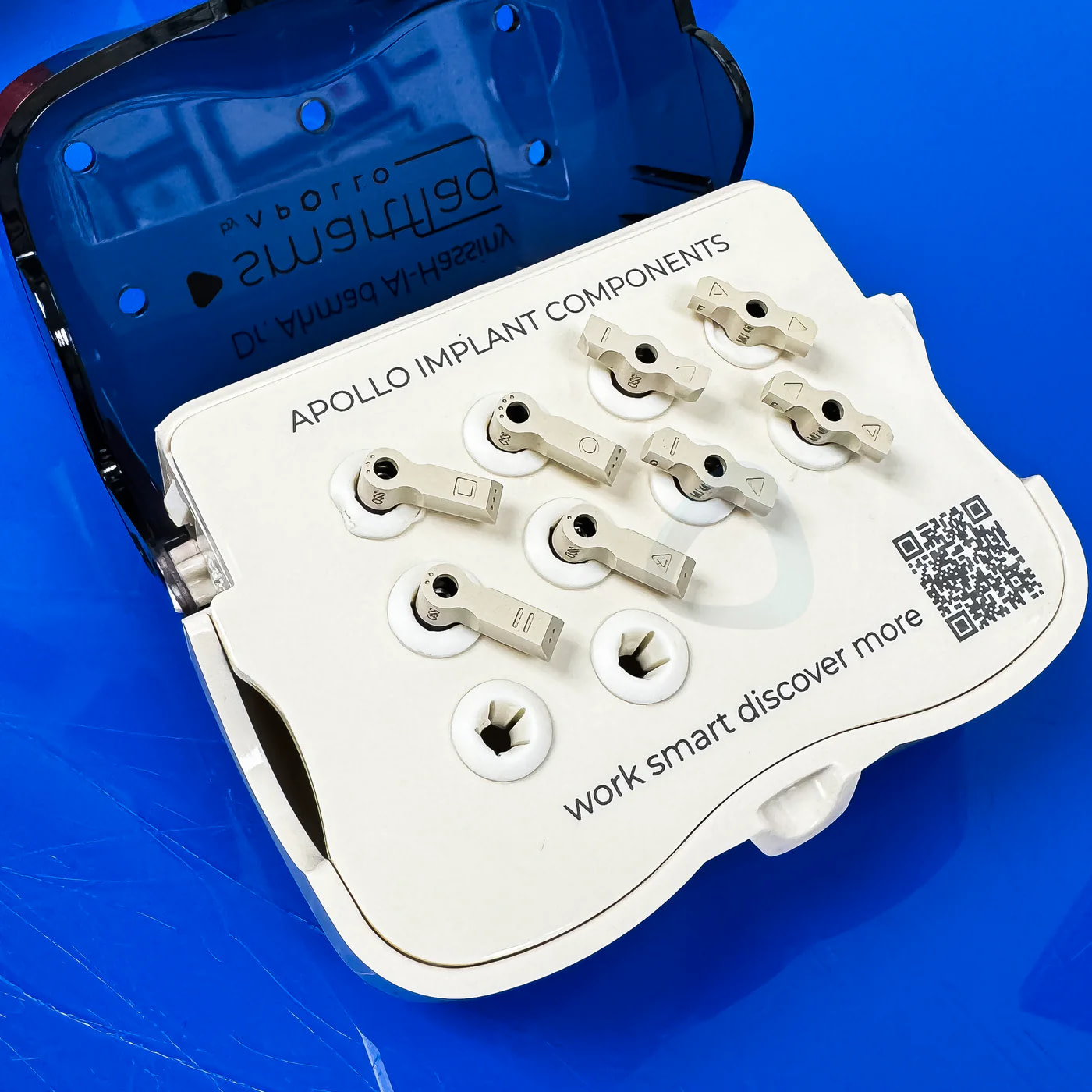
That last line matters more than it looks. Every one of these three approaches has a manufacturer or a sales rep telling you it solves the problem. I am not going to tell you which of them actually does, at least not here, because that is exactly the kind of claim that should not be taken on someone's word. It should be measured.
Where the real answer lives
I put my own full-arch accuracy testing under a contact measure machine specifically to get past marketing claims and into actual numbers, comparing jigs, photogrammetry, and horizontal scanbody systems on equal footing.
The system-by-system verdicts, the numbers, and the practical scanning protocol that comes out of that testing are what I teach inside All-on-X Scanning Solutions Compared.
If you are doing full-arch work now and want it more predictable, or getting into it and want the theory sorted before you commit to a system, that is the workshop. Find it at idd.to/allonx.
It also sits inside the Implantology Collection alongside ASIMR, my scan strategy course for implant cases, at idd.to/asimr.
A 40 to 50 micron misfit is small enough to miss and large enough to fail. Understanding where it comes from is the first step. Knowing which approach actually closes the gap is the next one.