
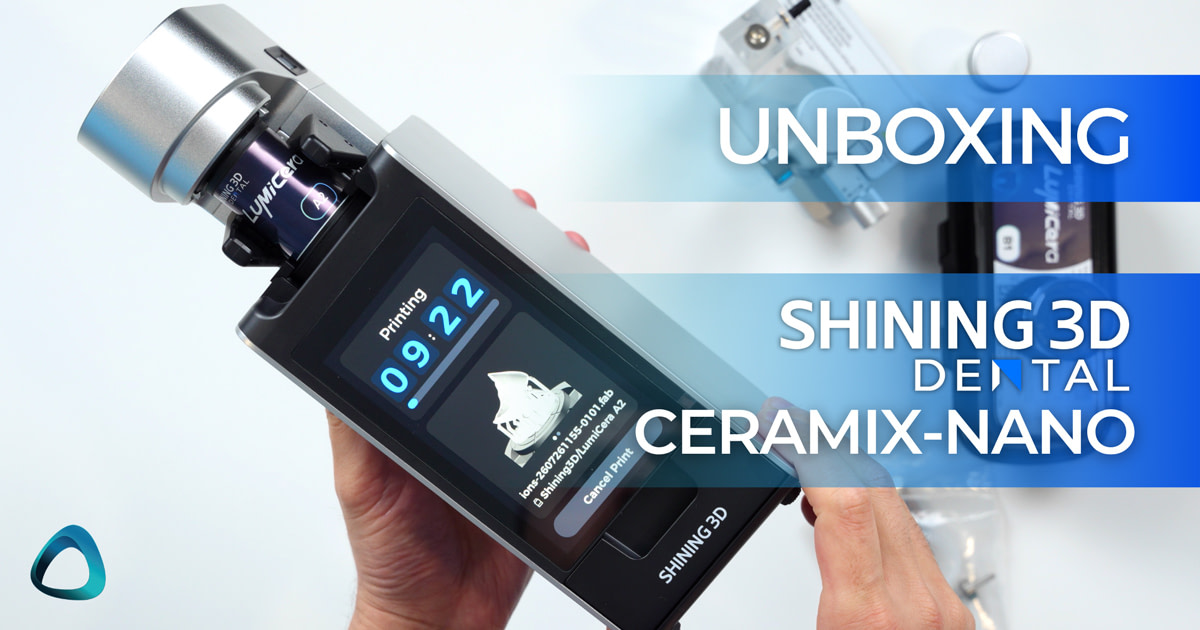

One of the first Ceramix-Nano units in the world is here at the iDD Studio, and the first thing that hits you is the size. I have been waiting for this one since Shining 3D announced it, because I believe it is genuinely big news in the 3D printing space.
This is a hands-on first look, not the full review. I will do a proper review once I have had real clinical time with the unit. If you want the full launch breakdown and every spec, read our Ceramix-Nano and AccuFab-Aris launch coverage.
Here, I want to show you what this thing is actually like in person, how the workflow feels, and the one question that still decides everything.
When I posted a video of it on Instagram, it reached 220,000+ views, which shows there is a lot of interest in this little printer. Watch our YouTube video below unboxing the Shining 3D Ceramix-Nano, or continue reading this blog to learn more about this.
First Look at a Glance
What is promising.
- The size. Genuinely small. I have had many reps and clinicians visit our clinic in NZ, and everyone comments on this aspect
- This is a DLP printer, not LCD like most other printers these days
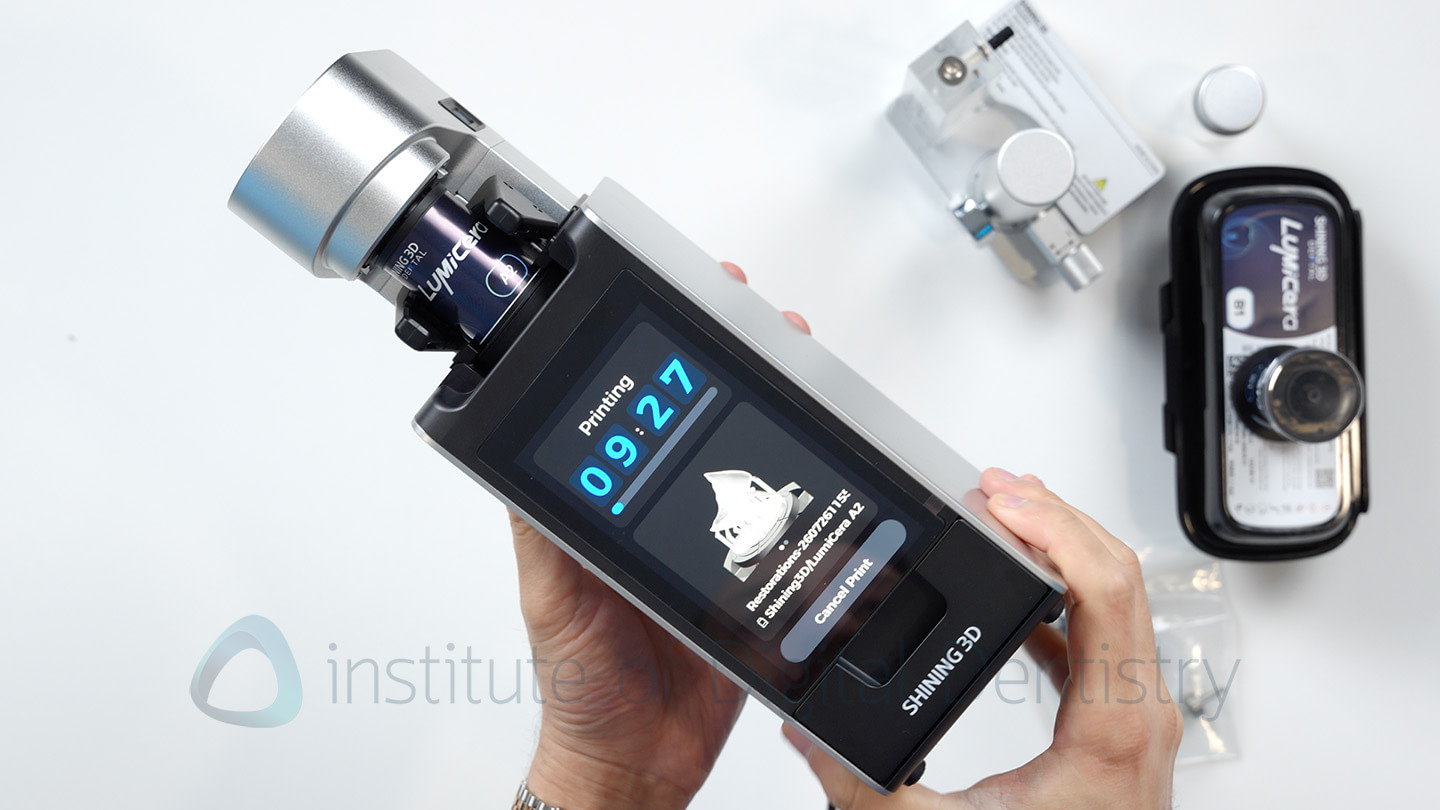
- Weighs around 2 kg. Printing and curing happen in the same unit.
- The workflow. Single-use capsules, cloud software, and CAD + an iPhone app.
What still needs to be proven.
- The resin. New resin by Shining 3D called LumiCera. The company has experience with 3D printing as it has an established chairside printer line, but restorative printing in this way is new territory.
- Translucency is limited in the current form as only LT. MT is coming soon. Also, the long-term clinical performance of printed permanent restorations is the real test.
Who should be watching.
- Any clinician interested in same-day chairside restorations and anyone following the capsule printer category pioneered by SprintRay Midas.
What It Costs
One thing everyone asked about in my video was the price. The Ceramix-Nano costs ~ $6,000 USD.
The consumables are single-use. The LumiCera capsules come in packs of three for around $67 USD, so each capsule, and therefore each restoration, works out to roughly $22 to $23 USD. A single capsule yields up to three restorations.
The Oxygen-free Cure Module floods the curing chamber with inert gas and is sold separately for around $700 USD.
For context, the SprintRay Midas sits at $10,995 USD. If you want a refresher on that machine, here is our original Midas release coverage. The Ceramix-Nano is the first capsule printer since the Midas to really capture mainstream attention, and I think it is safe to say capsule printers are here to stay in restorative dentistry.
The Unboxing
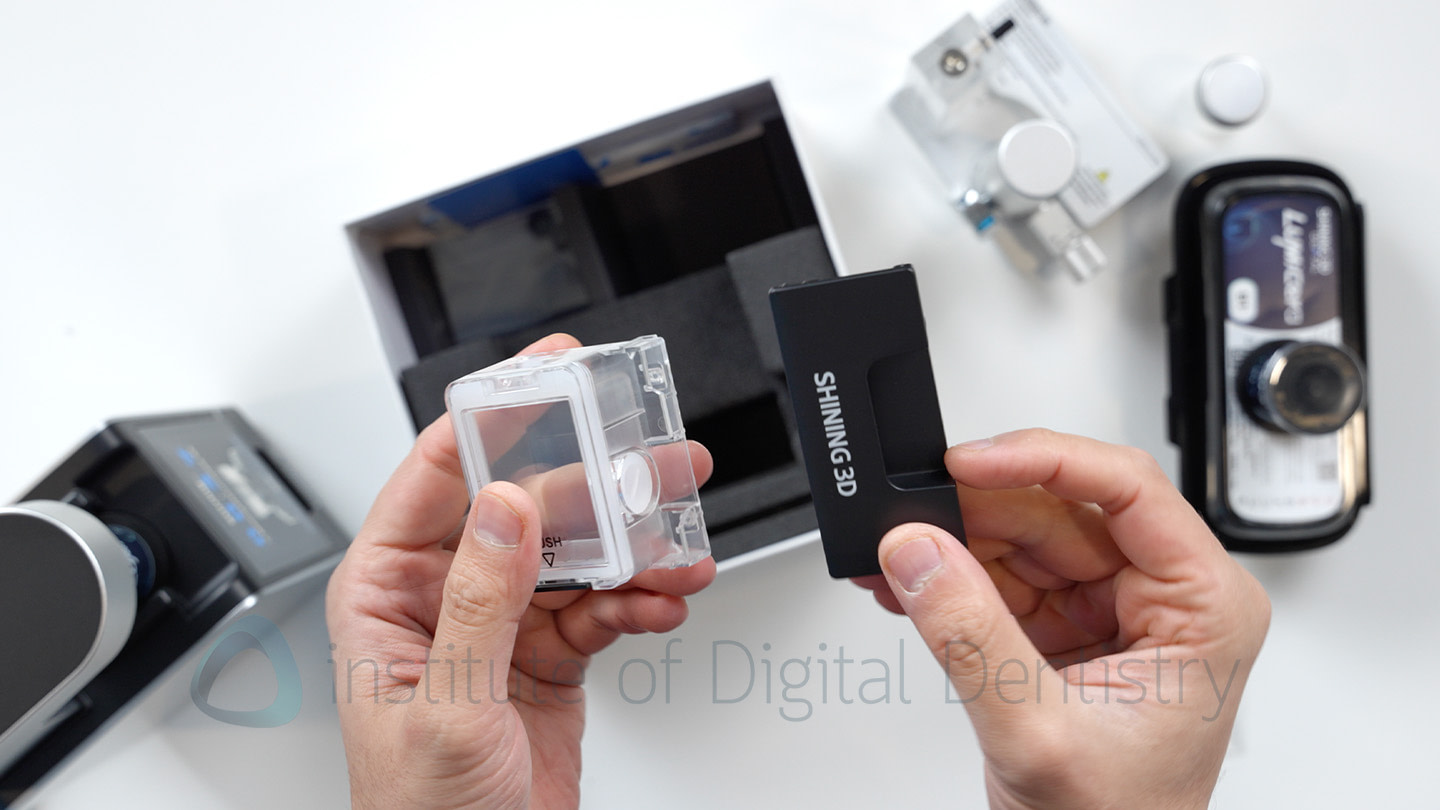
The box looks like an intraoral scanner carry case, not a dental 3D printer. It is the usual look from Shining 3D with their IOS carry cases - same material, same style, etc. It is incredible that a printer these days can fit in a bag this size.
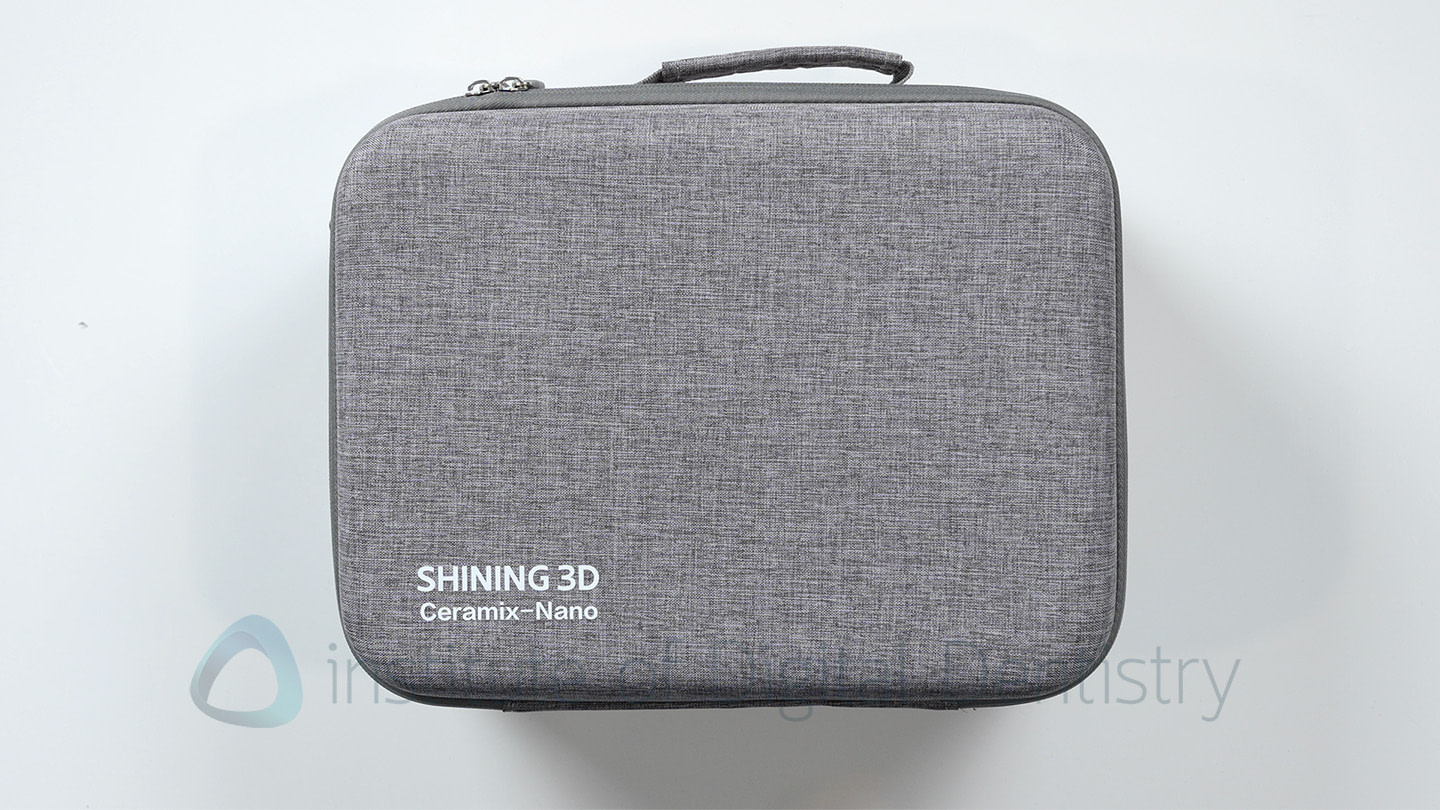
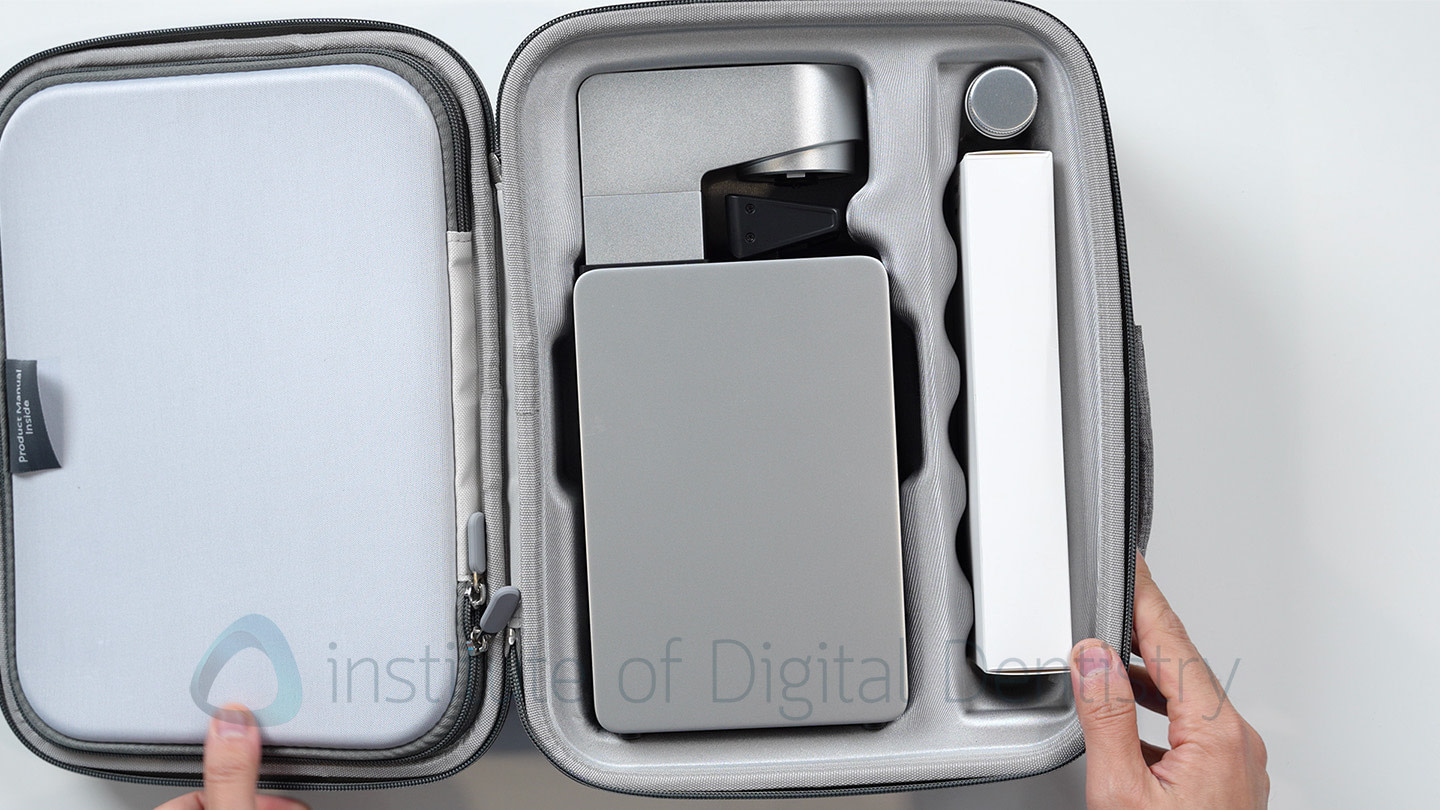
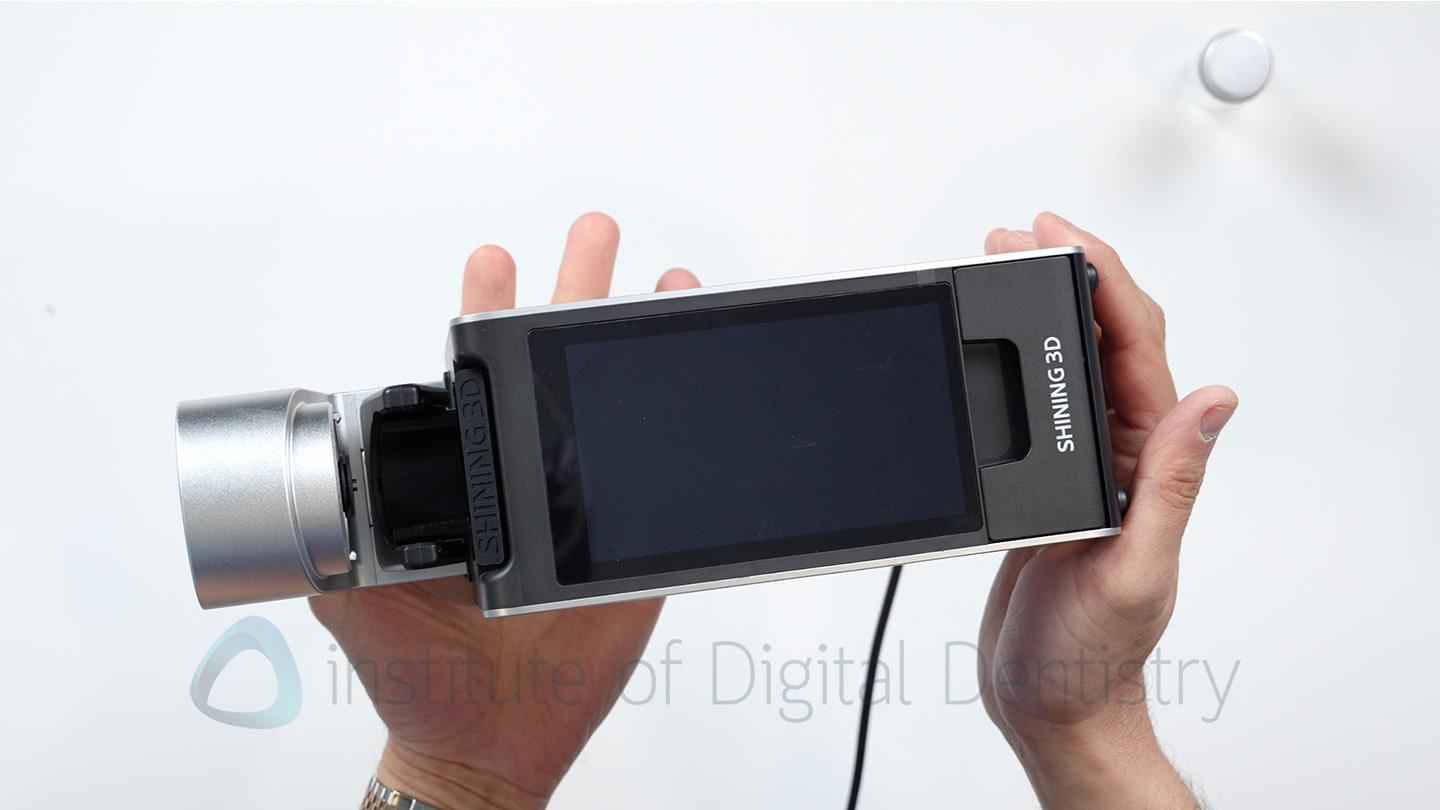
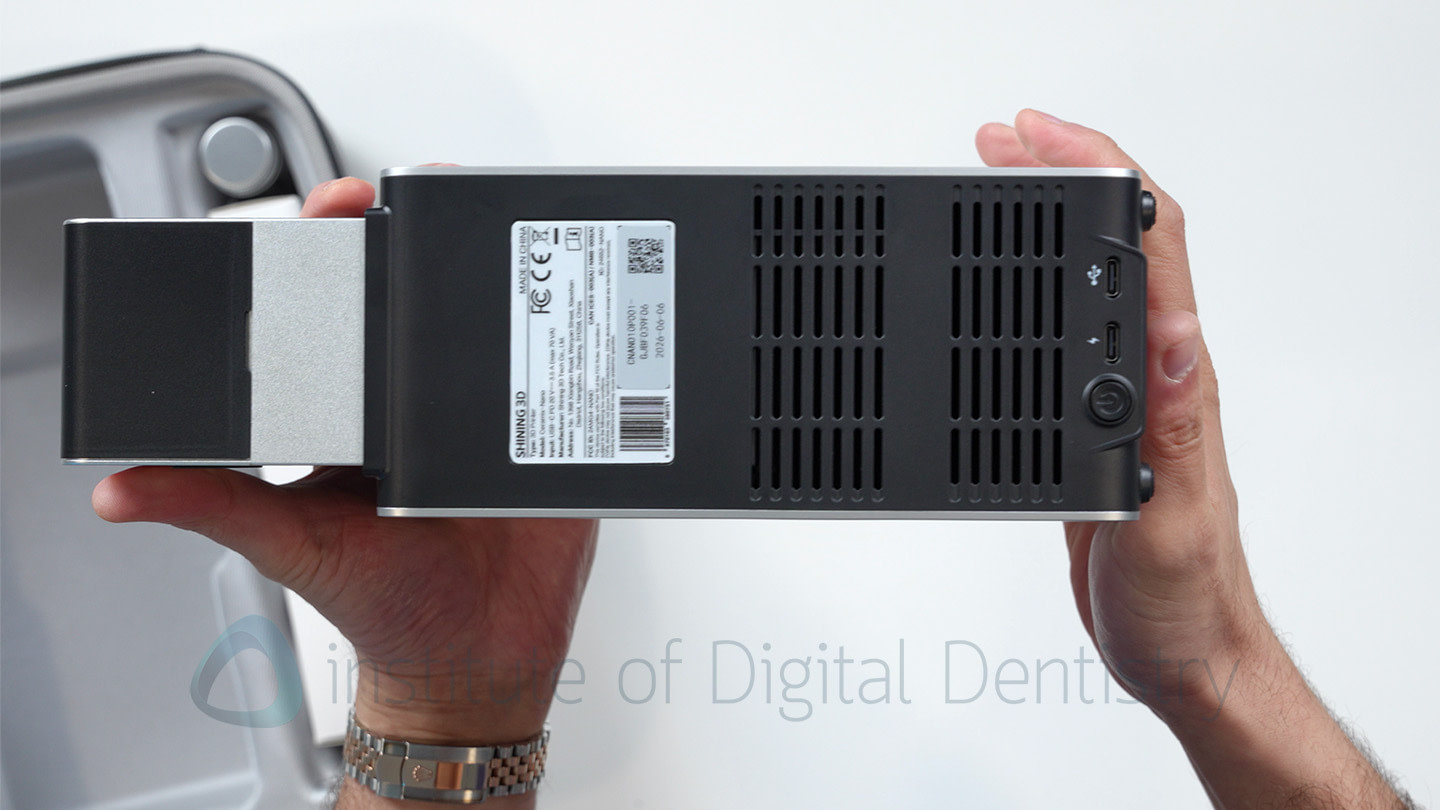
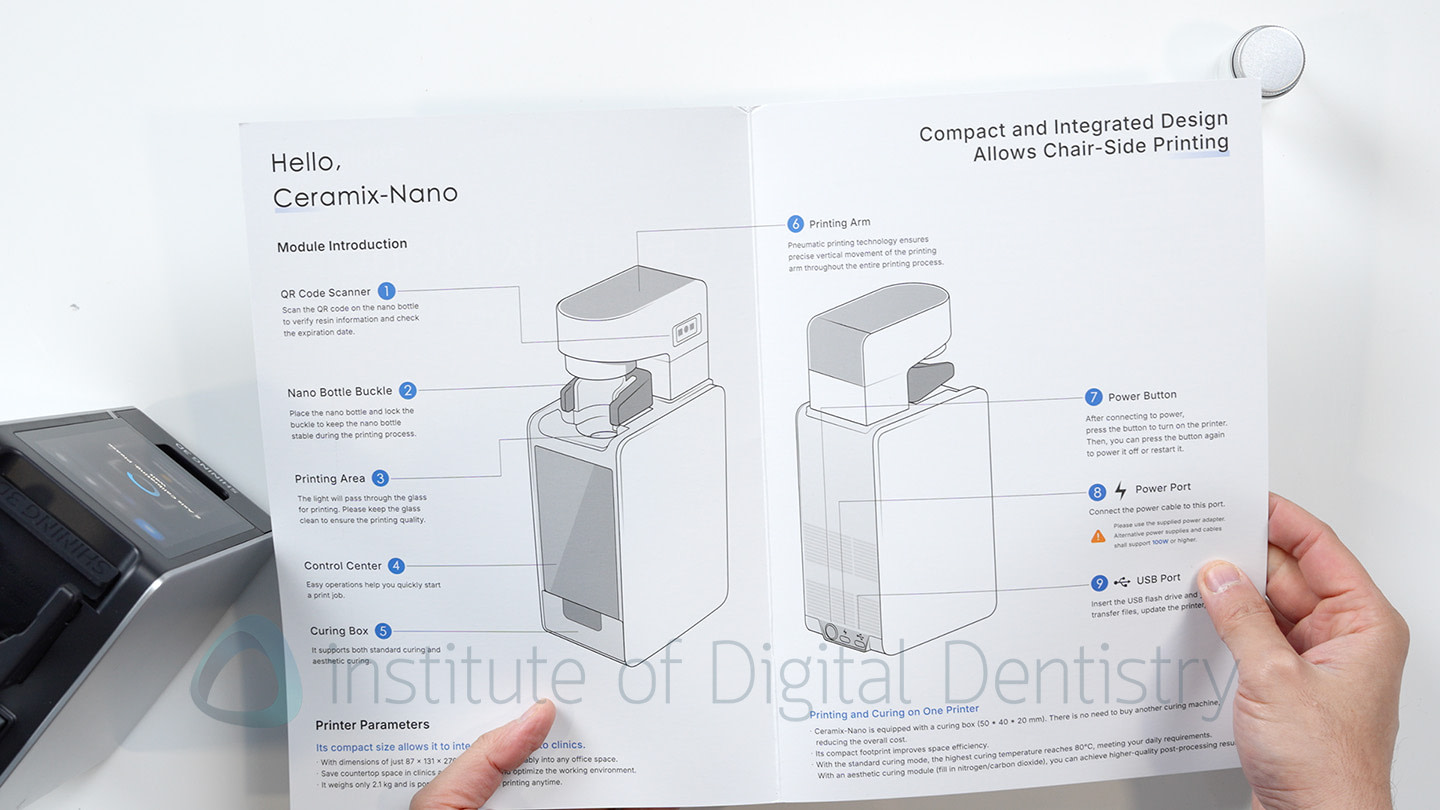
The unit weighs around 2 kg and measures 87 x 131 x 276 mm. What comes in the box is to the point.
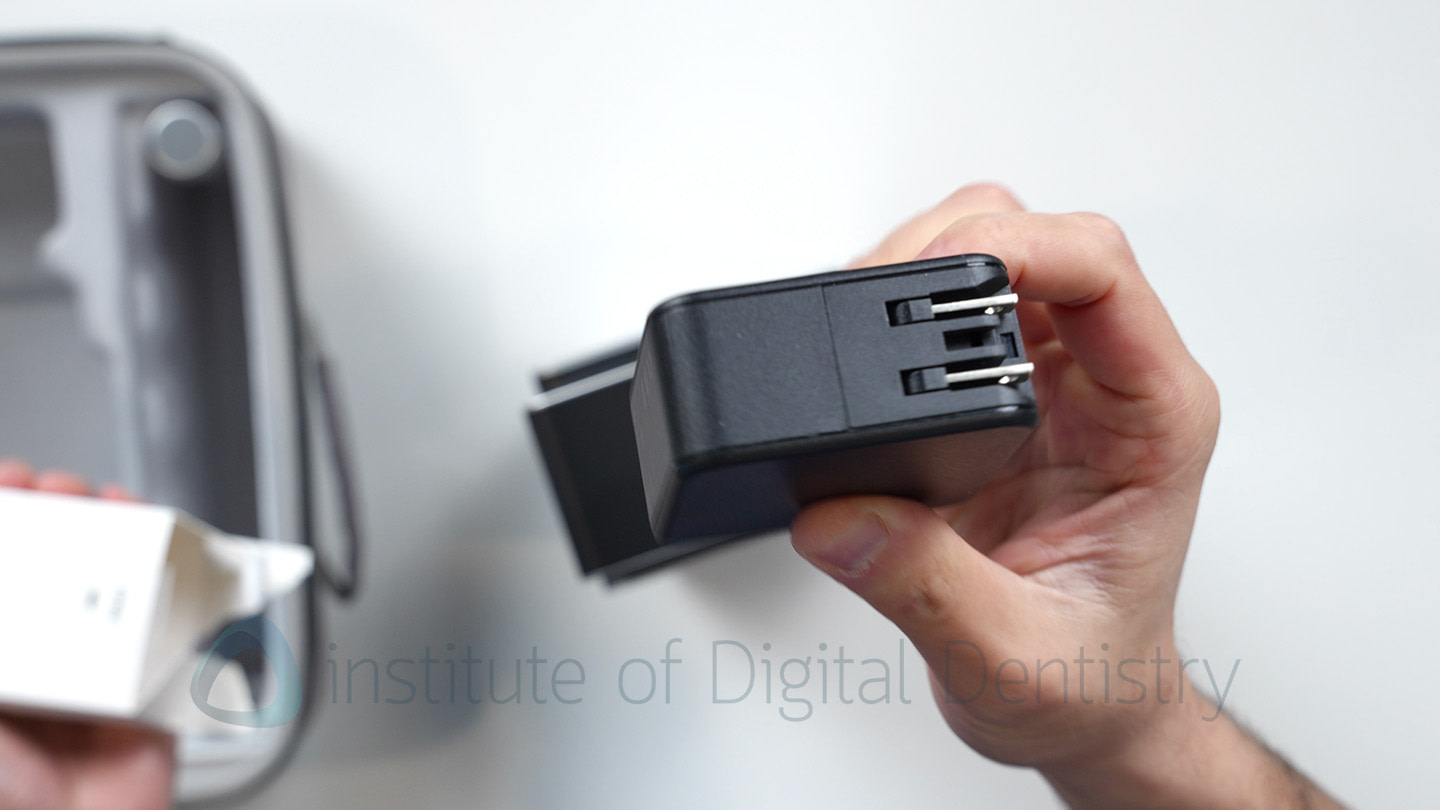
- A USB-C to USB-C cable and a power adapter. The cable connects to the back of the printer, and that is how it is powered.
- There is a second USB-C slot at the back of the printer for data transfer and updates.
- A power switch at the back. When you turn it on, the print arm rises into its printing position.
- A small glass bottle, which is for cleaning SAREMCO Crowntec resin, not the LumiCera resin. More on that below.
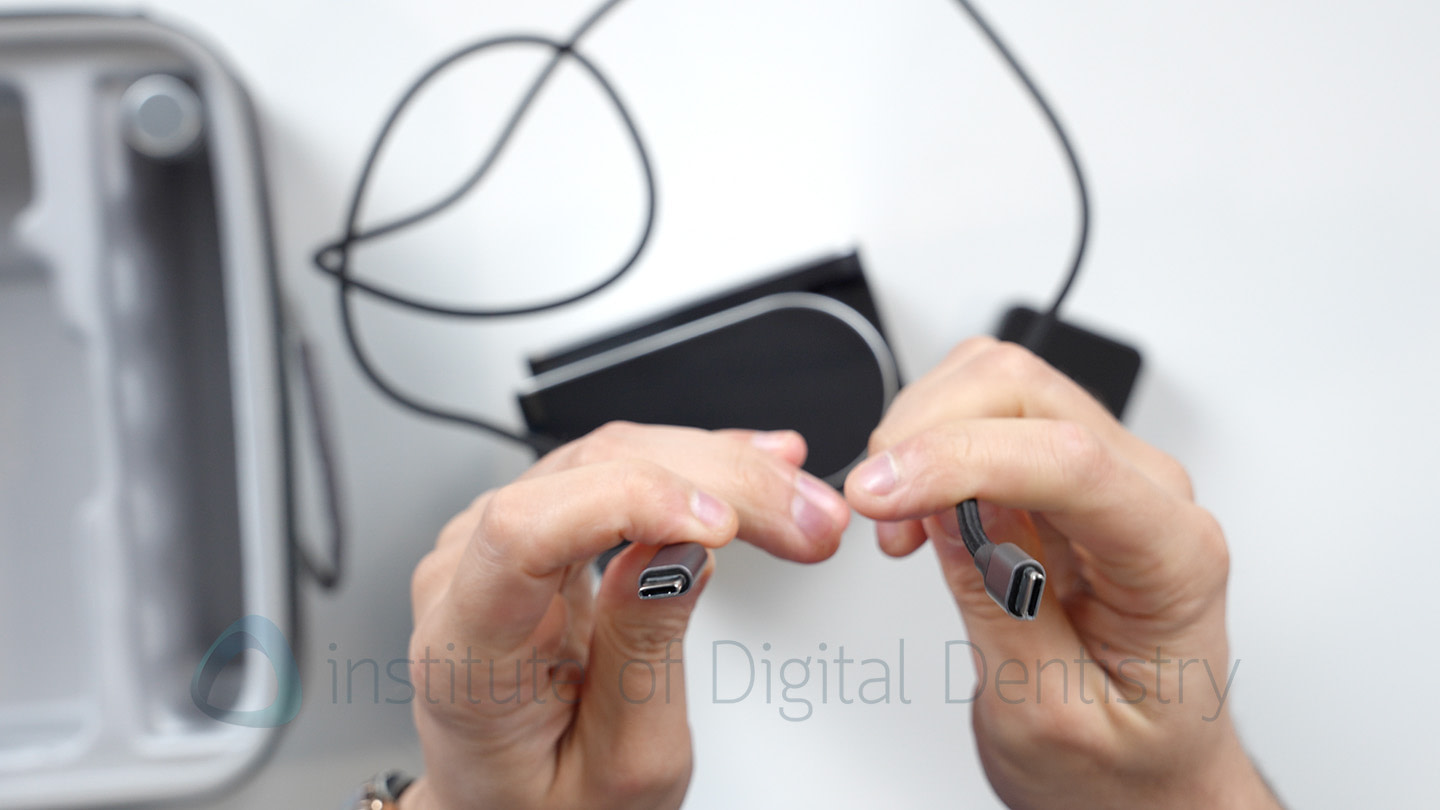
Setup, Workflow and Cure
Turn on the printer. You select your language and WiFi network, then scan a QR code with your phone to bind the printer to your Shining 3D account. The printer does need an internet connection to send print jobs and connect to the dental cloud.
The Shining 3D Dental Cloud (their cloud design and job platform) is easy to use, and I have already sent a number of print jobs through it. You drag and drop a crown STL, it auto-nests, and sends it to the printer with a couple of clicks.
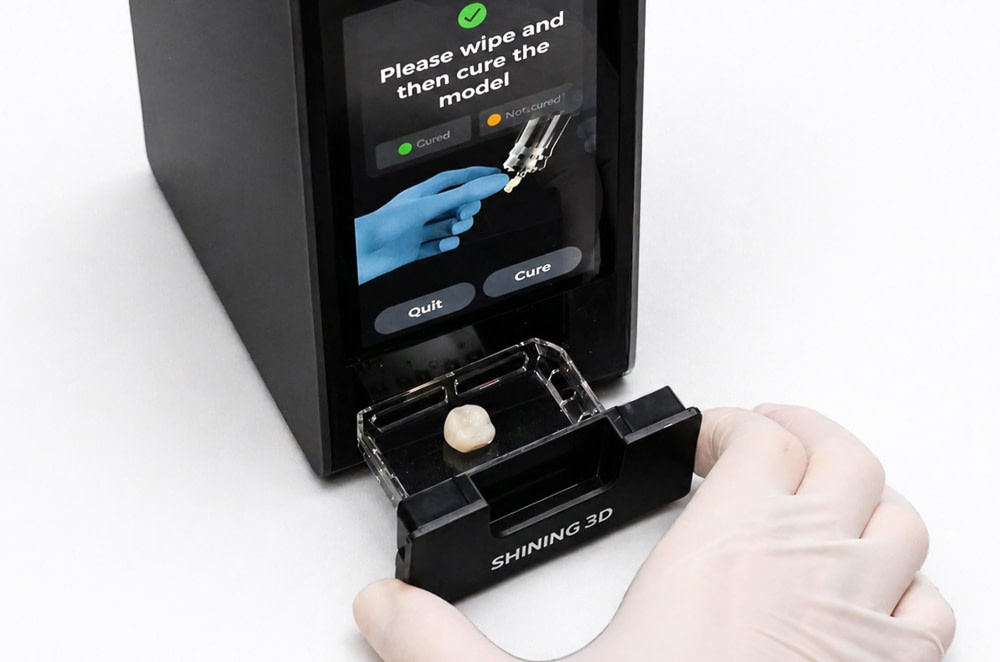
The touchscreen on the front of the printer is how you navigate everything, and it is responsive with large, clear buttons. Across the top, you have settings, a cloud button, a job list, and a home page. Insert the capsule at the top, and the curing chamber is built right into the base. There is no separate post-curing unit to buy or bench space to find.
There is a curing chamber at the base of the unit. It is small and suitable only for restoration curing, and nothing more than 3 units. Being small does mean that it heats up very quickly, and that is a feature of the cure as well - all done via the printer UI and touchscreen. It runs a cure cycle within 4-5 minutes.
How APS Actually Works
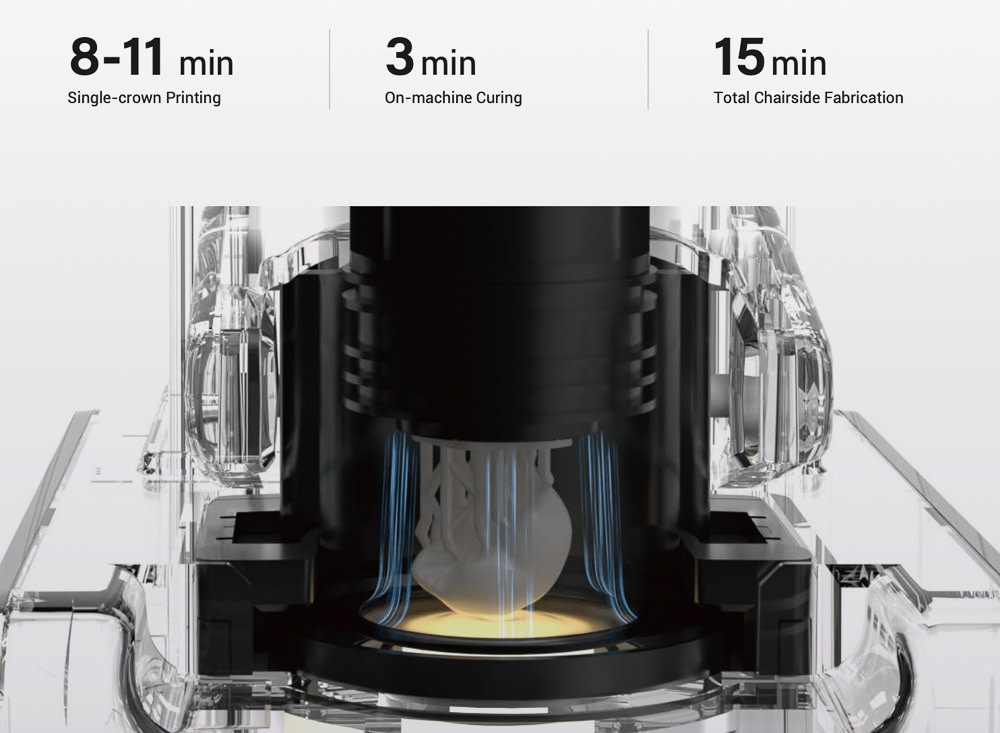
It is worth explaining what is happening inside this thing, because it is the reason the printer is this small. Shining 3D calls it APS, or Adaptive Pneumatic Stereolithography.
On a normal DLP printer, the build platform has to physically pull away from the resin tank after every single layer. APS gets rid of most of that mechanical travel. Instead of pulling the whole platform away, it uses air pressure to gently peel the film off each cured layer. Less travel means a smaller machine and faster cycles, and it is also how the printer mixes the capsule automatically before it even starts printing.
That one piece of engineering is basically why the whole unit fits in a case the size of a scanner bag. It is also why none of their resins need priming before use.
The Resins
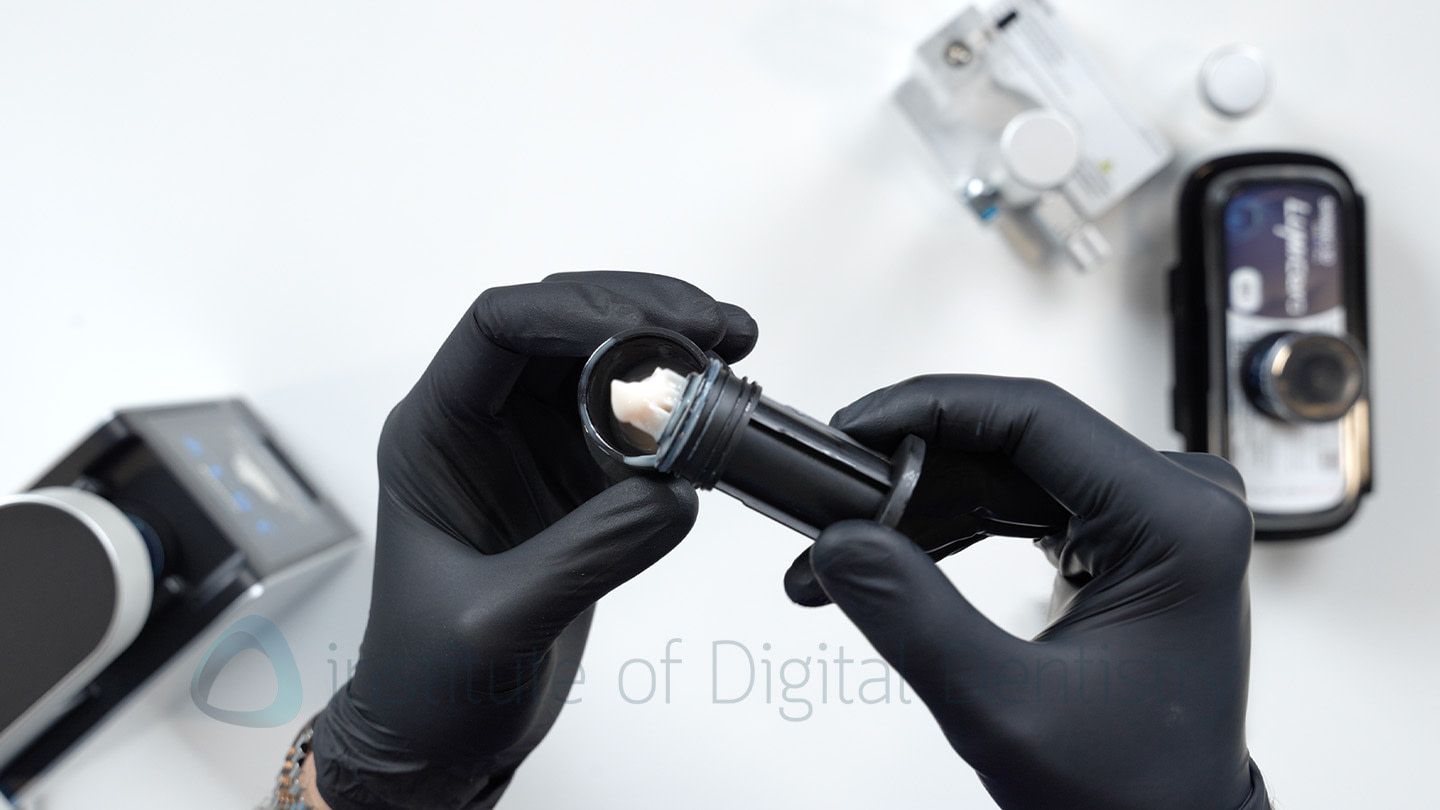
This is the whole point of a cartridge or capsule system. No mixing, no pouring resin. You insert a capsule and go.
As mentioned resin is called LumiCera, and it launches in low translucency (LT) to start. It is FDA Class II 510(k) cleared for permanent intraoral use, has over 55 percent ceramic filler, and Shining 3D says 200 MPa. It comes in VITA shades BL, A1, A2, B1, and C2.
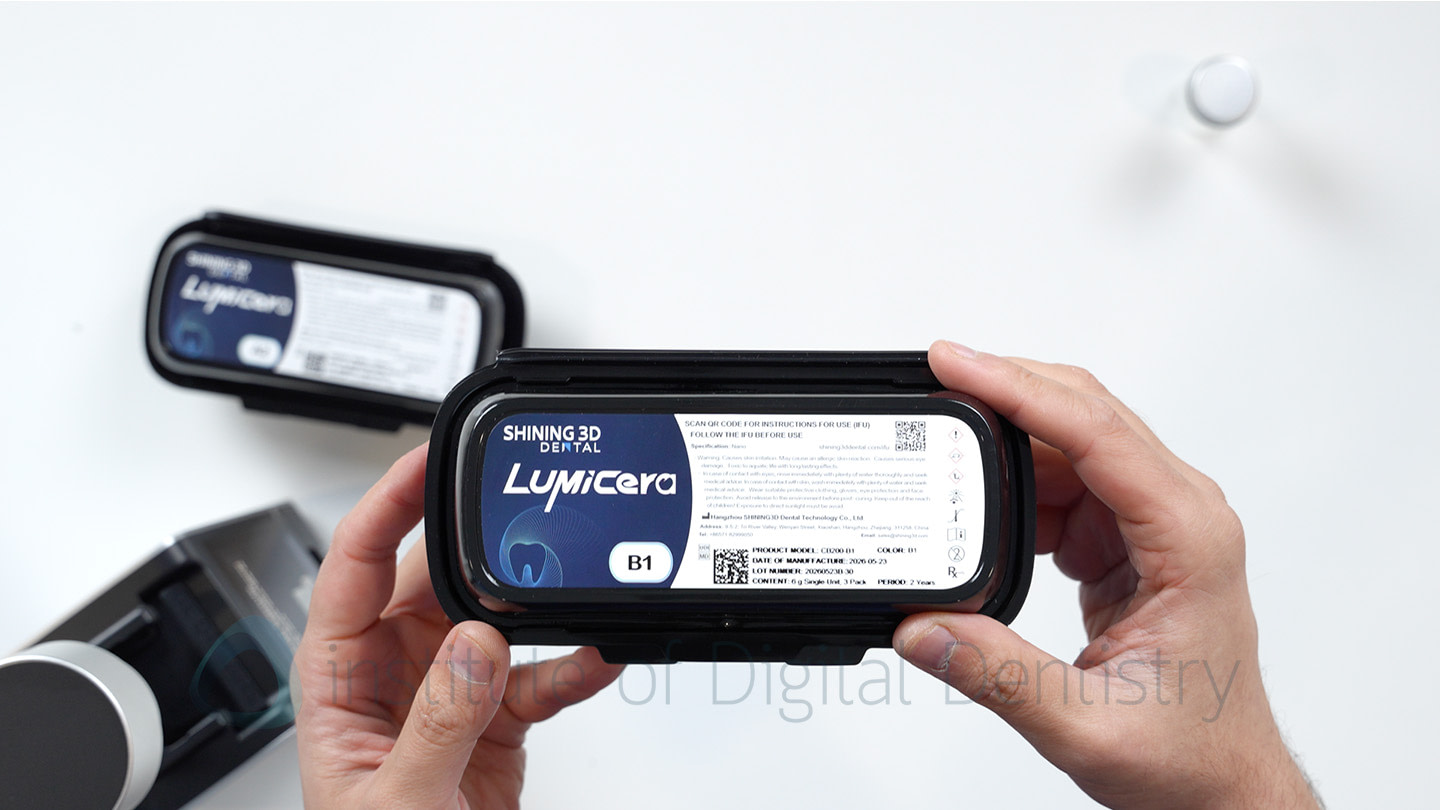
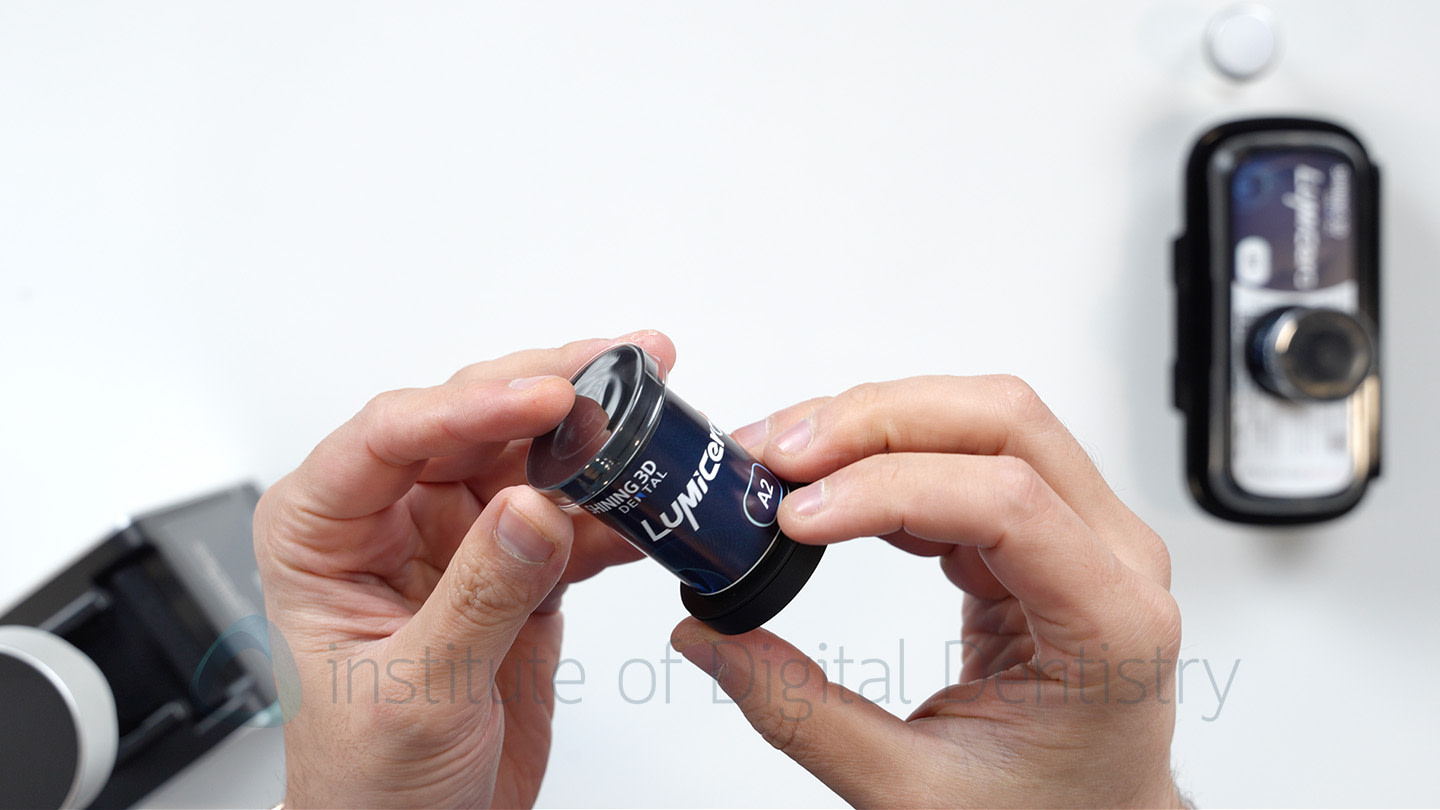
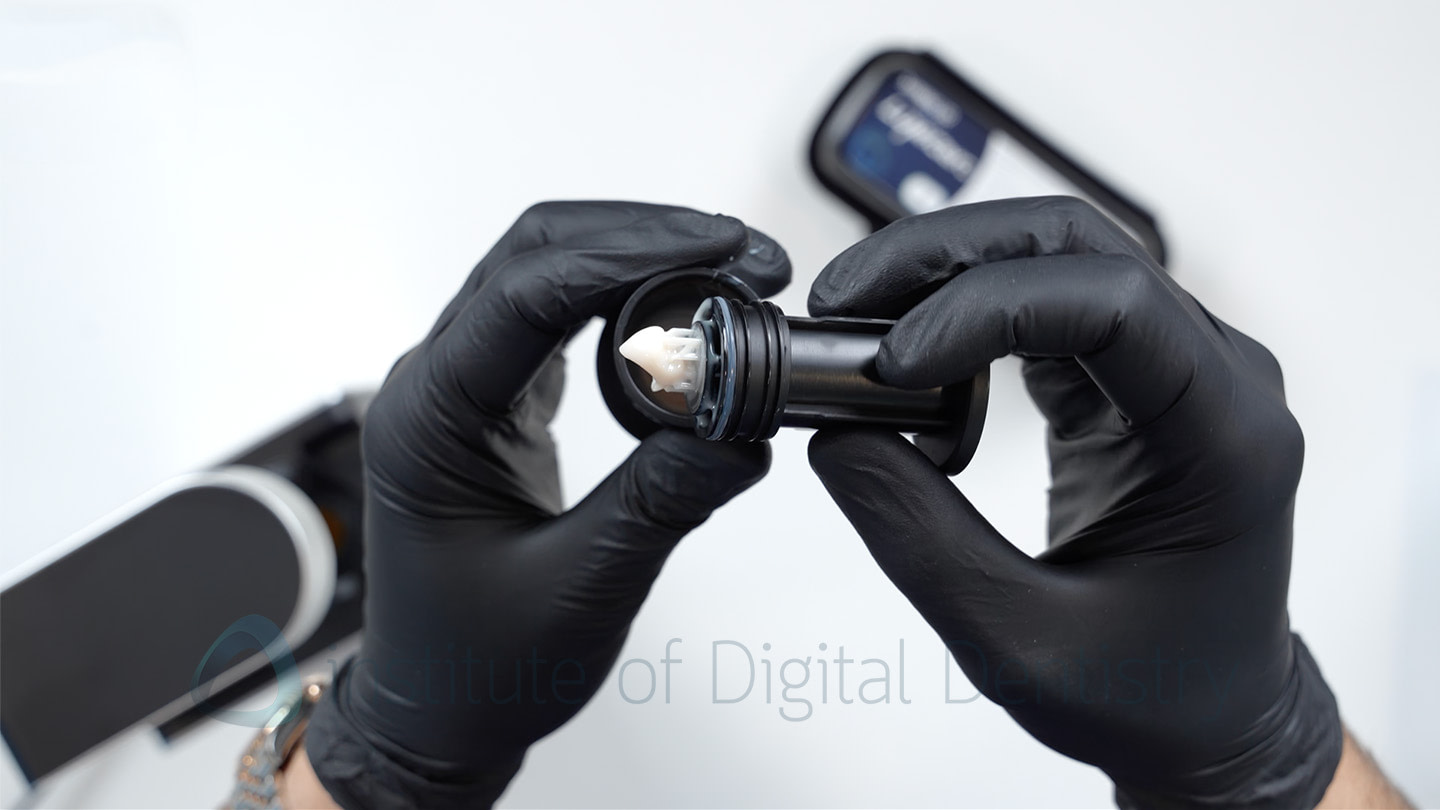
Translucency is the known limitation in the current form. LT is out now, and MT and HT versions are still in development. I had a great chat about the materials with Da Chen from Shining 3D's R&D team on the Digital Dentistry Decoded podcast, and I would recommend a listen if you want the detail, because we went deep on this. You can find that episode here.
One interesting move is that the printer is not locked to Shining 3D materials. SAREMCO CROWNTEC capsules will also be available. That is a very early-generation resin, but with some decent literature behind it, so it is a smart bit of openness. It is also why that little glass bottle is in the box: to clean the Crowntec resin rather than the LumiCera.
The Oxygen-Free Cure Module
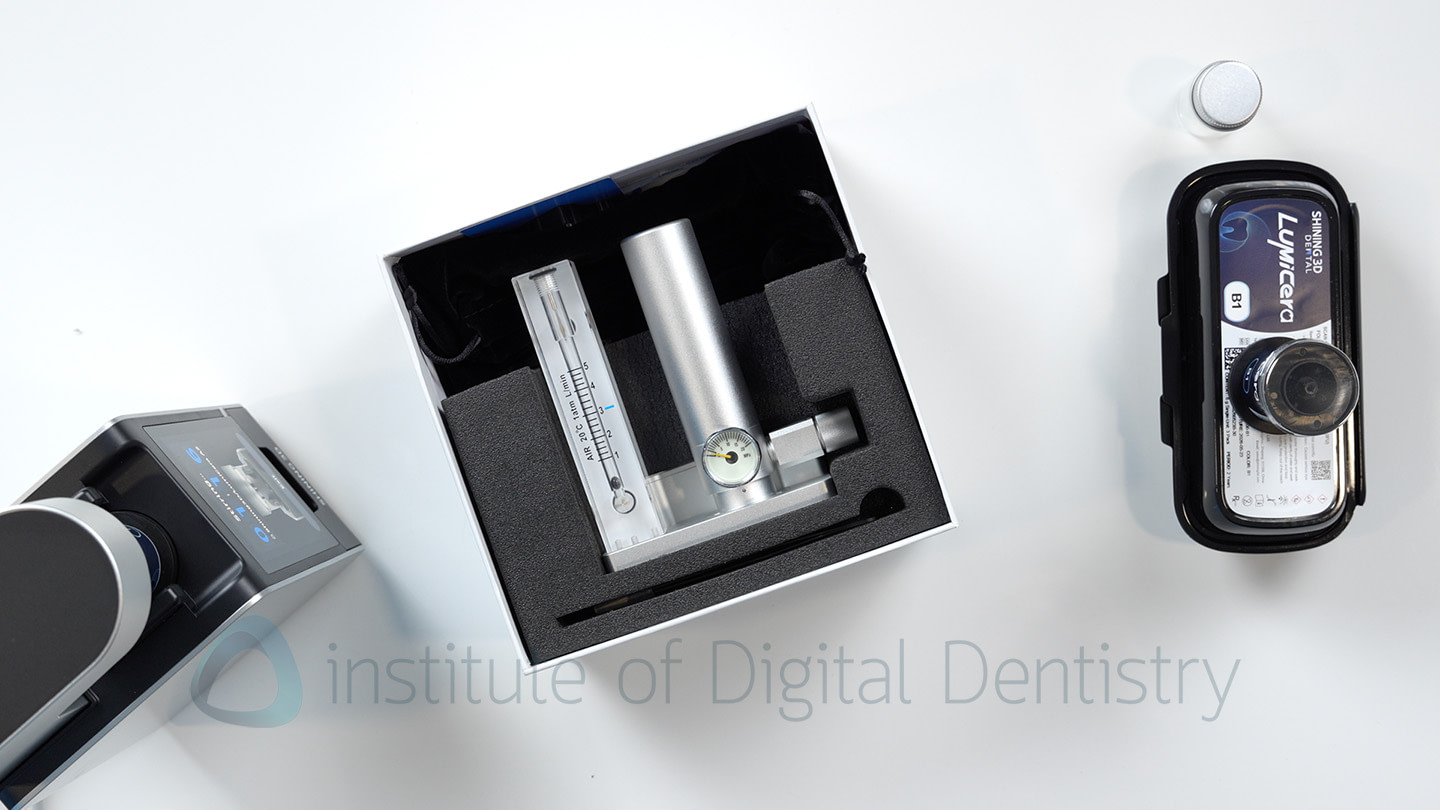
The Oxygen-Free Cure Module is sold separately. This is a device that connects to a special curing box that can be inserted into the base of the printer. This curing box is connected to the module with a tube. You can then flood the chamber with gas to displace oxygen.
It supports N2 or CO2 curing for stain and glaze finishing, and the gas cartridges are not included. What it does is enable oxygen-free curing, which gets around the oxygen-inhibition layer and gives you a smoother, less sticky, more premium final surface. It is a neat workaround for anyone chasing the perfect curing conditions.
The Bigger Question
Here is the thing I keep coming back to, and it applies just as much to the Ceramix-Nano as it does to the SprintRay Midas. All of it, the size, the workflow, the automation, none of it matters if the resin cannot deliver as a genuine permanent restoration.
Posterior permanent restorations have always been the hardest challenge for restorative printing, and it remains the biggest question mark in the whole category. So as impressive as the hardware is, this is ultimately a resin game. Whether Shining 3D can bring translucent, clinically proven permanent resins to market will decide how far this actually goes.
That said, this is one of the most impressive companies in digital dentistry right now. They have taken over a big chunk of intraoral scanning recently with the Aoralscan Elite and the ELF, and if you have not seen what they did on price with the latter, our Aoralscan ELF review is worth a read. It will be interesting to see whether they can repeat that success in chairside printing.
Final Thoughts
The Ceramix-Nano is one of the most interesting pieces of hardware I have seen this year in an otherwise quiet year of digital dentistry releases. It is remarkably compact, thoughtfully engineered, and arguably the first serious competitor to SprintRay's Midas in the capsule-based restorative printing space.
But I don't think this race will be won only on hardware.
A company can build a smaller printer, a better interface, or a faster workflow. Those advantages rarely last. The real battleground is materials. The company that develops highly aesthetic, translucent, wear-resistant, and clinically proven permanent restorative resins will shape the future of chairside dentistry.
Right now, the Ceramix-Nano has all the ingredients to be a major player. The workflow is elegant, the engineering is genuinely clever, and the price is aggressive. Whether it becomes a product that changes everyday clinical practice depends on one thing: how well LumiCera performs after hundreds of crowns have been in patients' mouths for years, not weeks.
That's what I'll be testing.
Over the coming months, we'll be printing, cementing, wearing, breaking, measuring, and comparing this system against everything else on the market. When that data is in, you'll get our full clinical review, not just first impressions.
Until then, consider this an exciting first chapter. Restorative 3D printing has taken another significant step forward, but the story is only just beginning.