


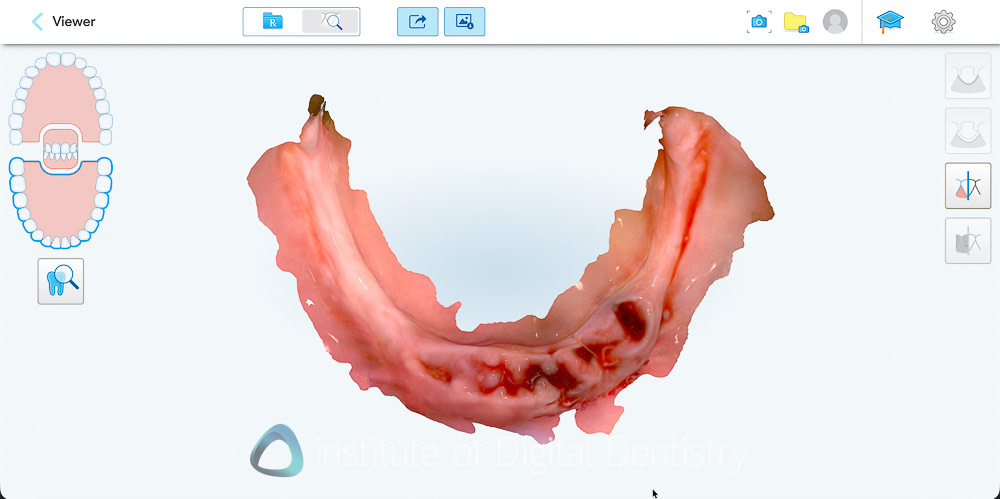
An iDD member recently asked me a question I get quite often. They wanted a proper comparison of how the current generation of scanners handles soft tissue and edentulous ridges. In short, which scanner is best for scanning for digital dentures or all-on-x? Fair question, and a good reason to lay out where things actually stand these days.
Here's the thing. Most intraoral scanners today can handle a straightforward crown prep. That side of the market is commoditized. Every company claims accuracy in the tens of microns, and for single units and short spans, most of them genuinely deliver accurate results. Literally pick any scanner you like within your budget if you just scan basic indications.
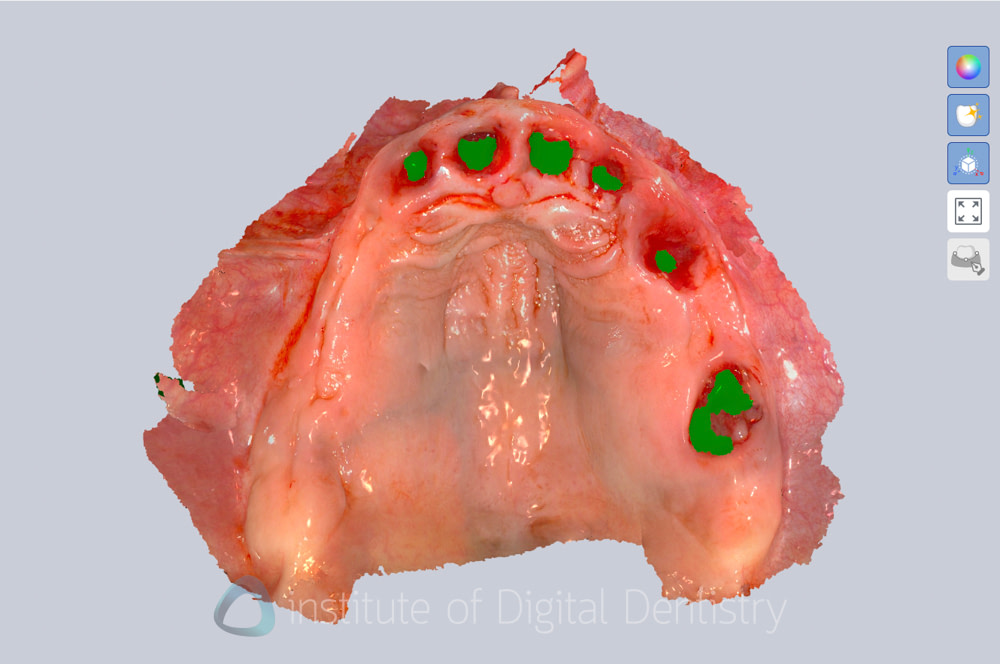
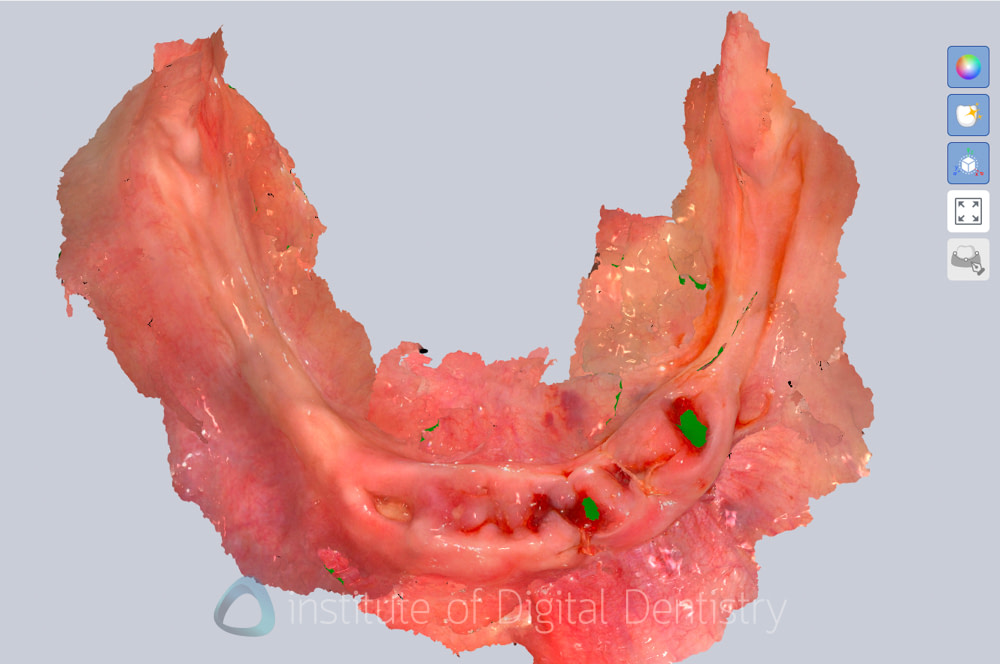
Edentulous scanning is where the differences show up in the market. A large field of view (FOV), decent depth of field (DOF), and, importantly (but often overlooked) software that actually knows how to ignore moving soft tissue and stitch through it cleanly, that combination separates the scanners that sound good on paper from the ones you actually want in your hands for a fully edentulous scan or a surgical site with blood and moving tissues after a full arch surgery.
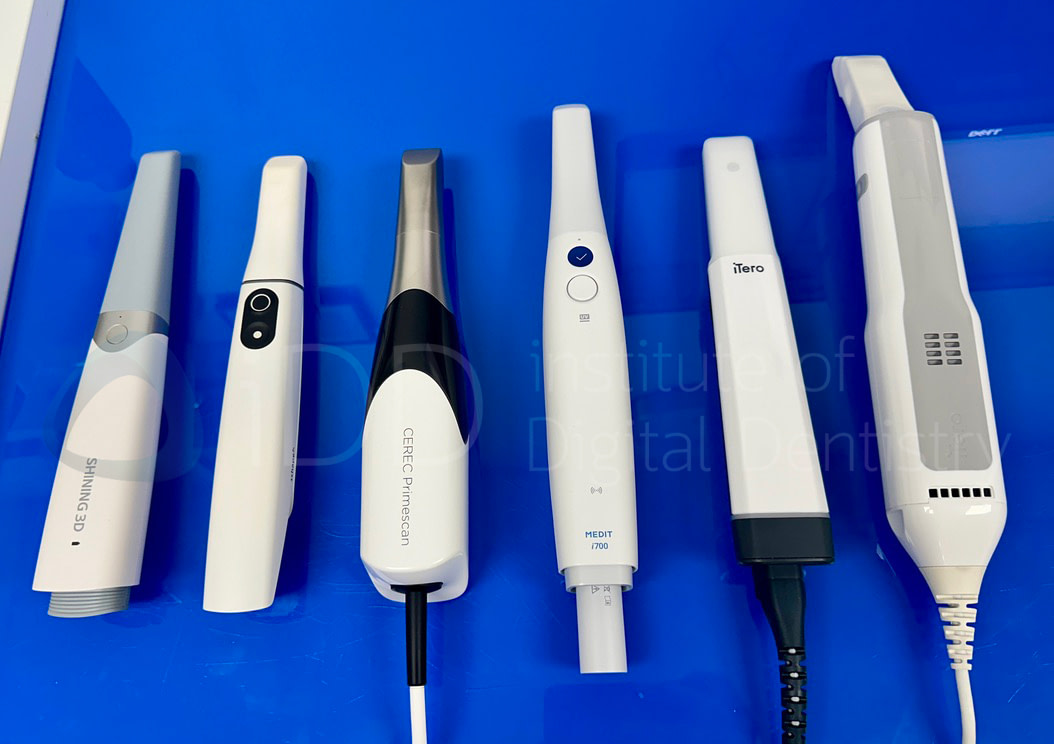
This is an overview of where the major players stand today, based on my personal extensive clinical use and testing at iDD over the past decade. As always, this reflects independent, unpaid observations. No company mentioned here has compensated iDD for this piece. I have personally tested each of these scanners in the clinic, as I work as a full-time private dentist in NZ, doing everything from single crowns and dentures to all-on-x.

Why Edentulous Scanning Is a Different Test Altogether
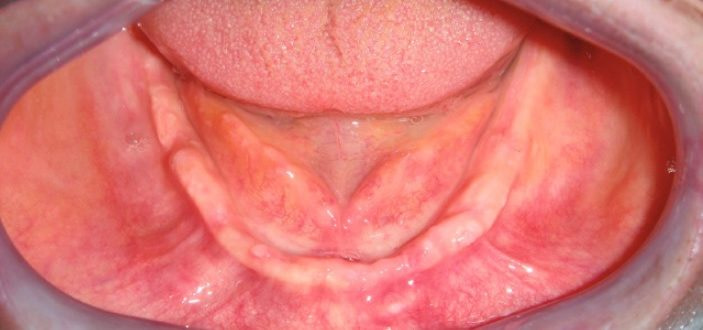
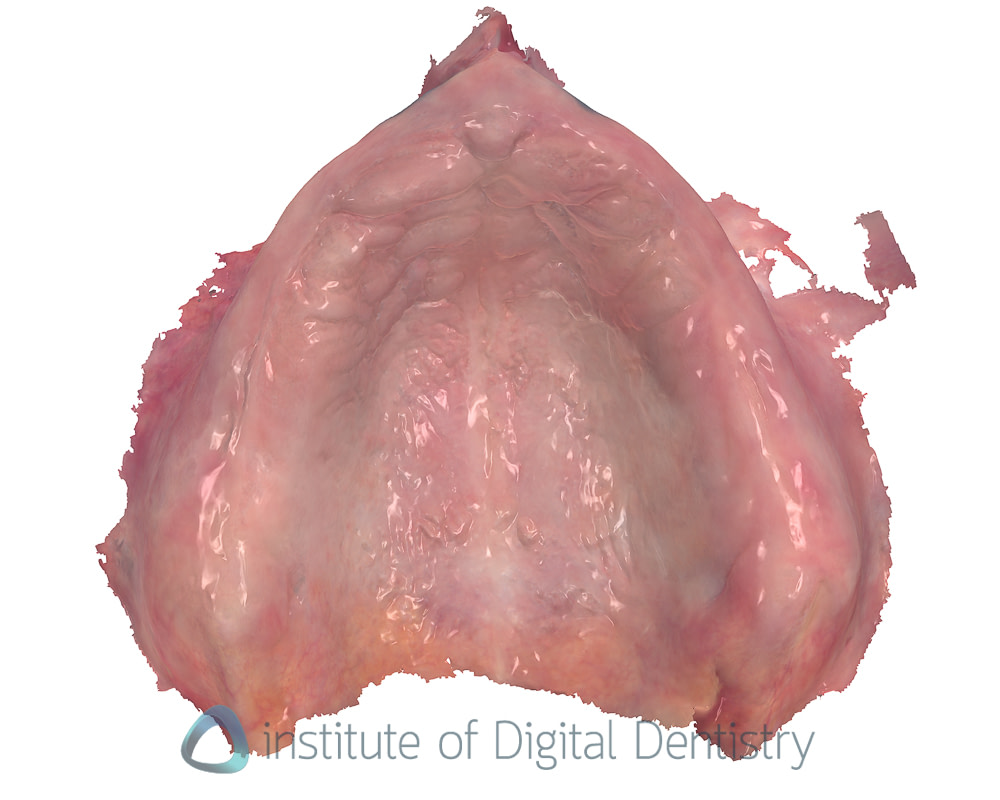
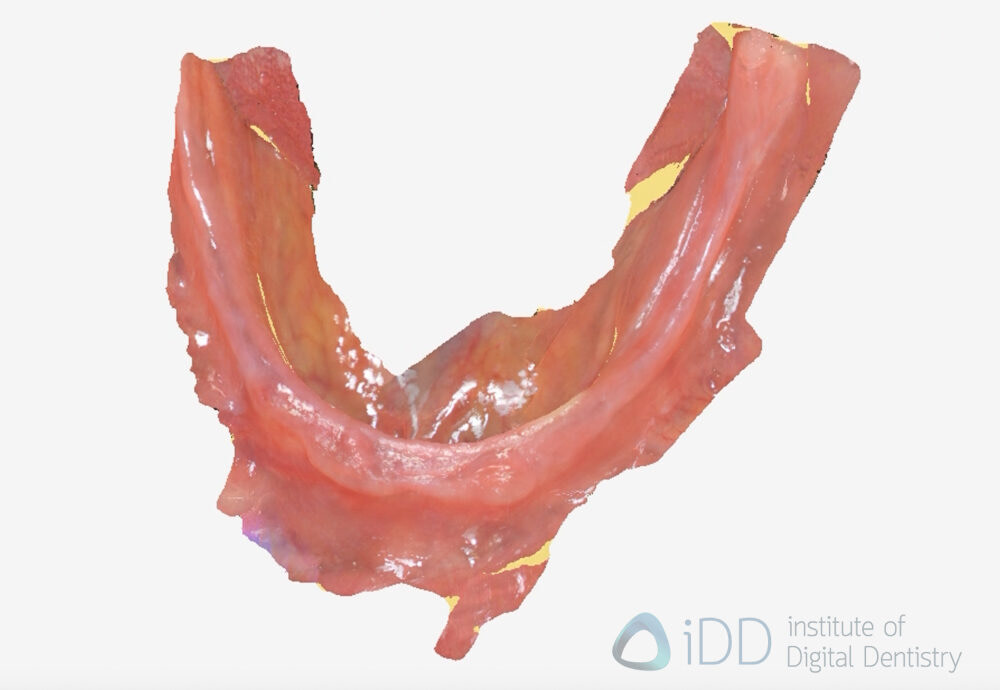
With a dentate arch, the scanner has plenty of fixed hard tissue landmarks to lock onto. Take the teeth away, and you're left with often mobile, reflective, and sometimes bleeding soft tissue and a much smaller area of distinguishing anatomy to stitch from.
This is where FOV starts to matter more than most people expect. A larger FOV captures more of the ridge in each frame, giving the stitching algorithm more reference points to hold onto as it moves across a featureless arch. Without good scan technique and scanner software that can handle moving tissue, you can end up with double images, lagging scans that start and stop all the time, and repeating scans from scratch halfway through a case.
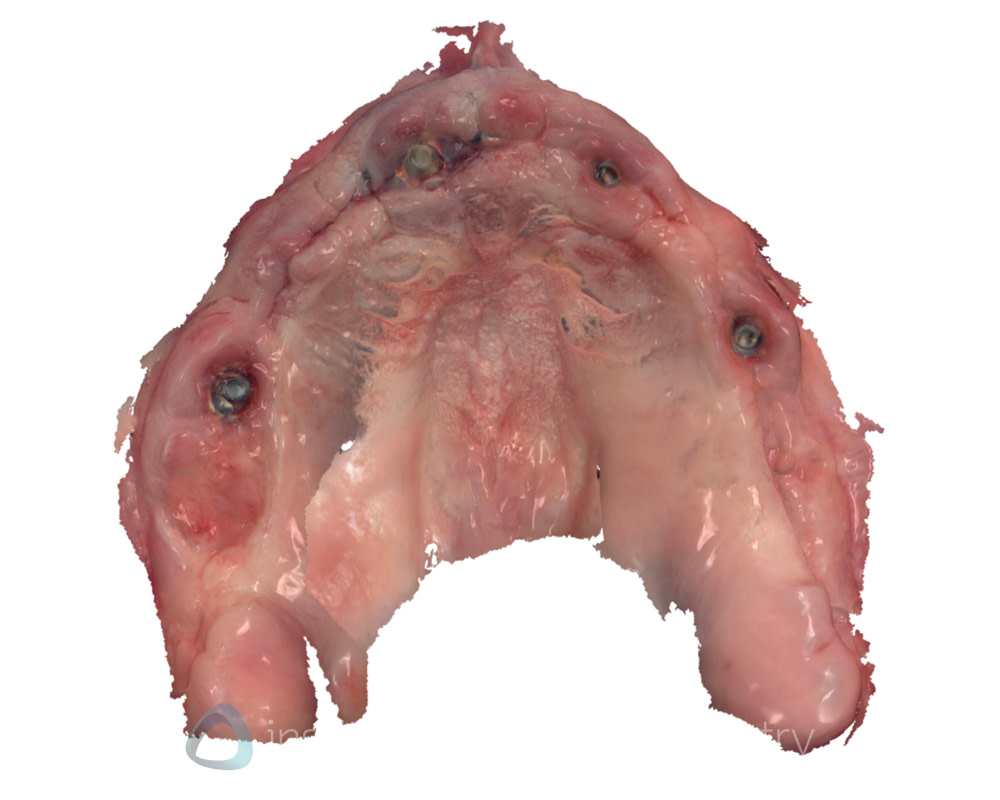
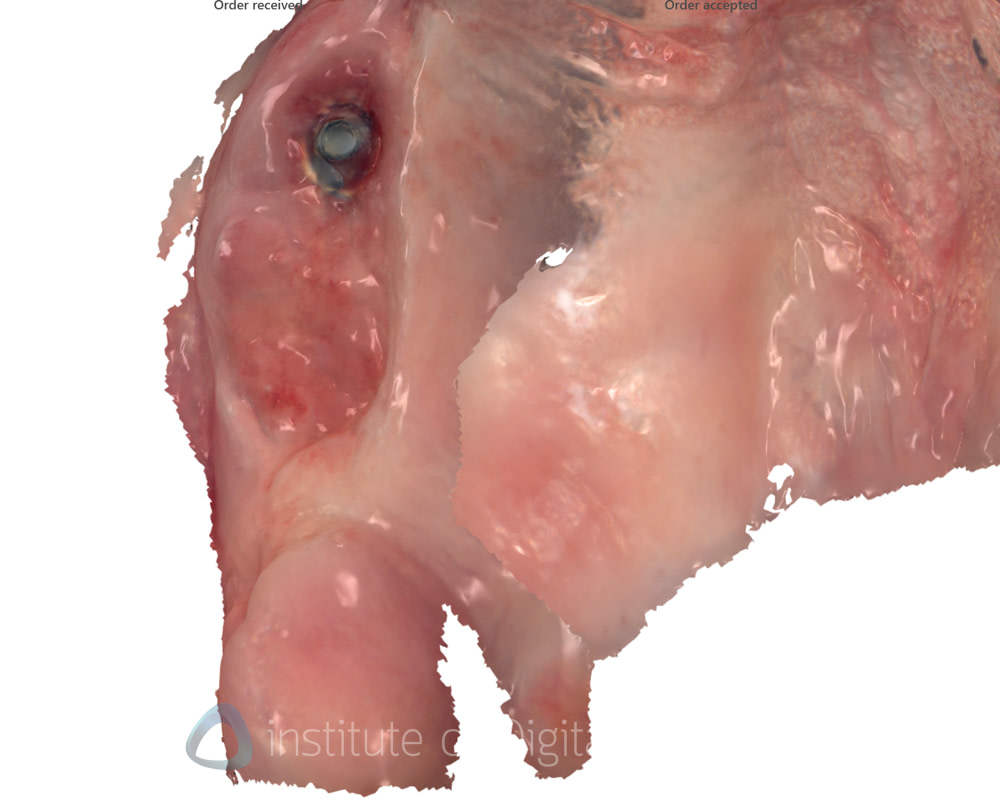
This isn't just a subjective opinion either. The published literature on edentulous scanning consistently flags the same weak points regardless of the scanner used, these being the peripheral border, the soft palate, and other mobile, poorly traceable structures which exhibit the largest discrepancies relative to conventional impressions, whereas clearly defined hard tissue landmarks scan comparably well.
That's a useful way to think about it clinically. The problem isn't really scanning the ridge itself, it's what happens at the mucogingival junction, where moving soft tissue takes over. So the question becomes, which scanners are actually good at this, and which ones are just adequate or bad?
3Shape - TRIOS 3, TRIOS 5, TRIOS 6
3Shape's TRIOS scanners have been strong in this aspect for years, and that hasn't really changed across the T3, T5, and T6 generations. TRIOS 5 and 6 have a field of view of 19.5mm x 18.8mm and a relatively shallow depth of field of 17mm, while TRIOS 3 and Core actually measure slightly larger at 19.2mm x 22.4mm with a 15mm depth of field. None of these numbers are the largest on this list, but the software more than makes up for it.

Soft tissue handling and stitching for 3Shape remain genuinely one of the best in class, and in our own comparisons against other scanners, even with its smaller FOV, TRIOS still tends to hold an edge on difficult, bloody, or fully edentulous fields.
3Shape publishes specific edentulous scanning strategies, and clinicians who follow it report a genuinely smooth, uninterrupted capture even across a wide, featureless arch. I have personally scanned hundreds of edentulous arches over the years using TRIOS - it works great.
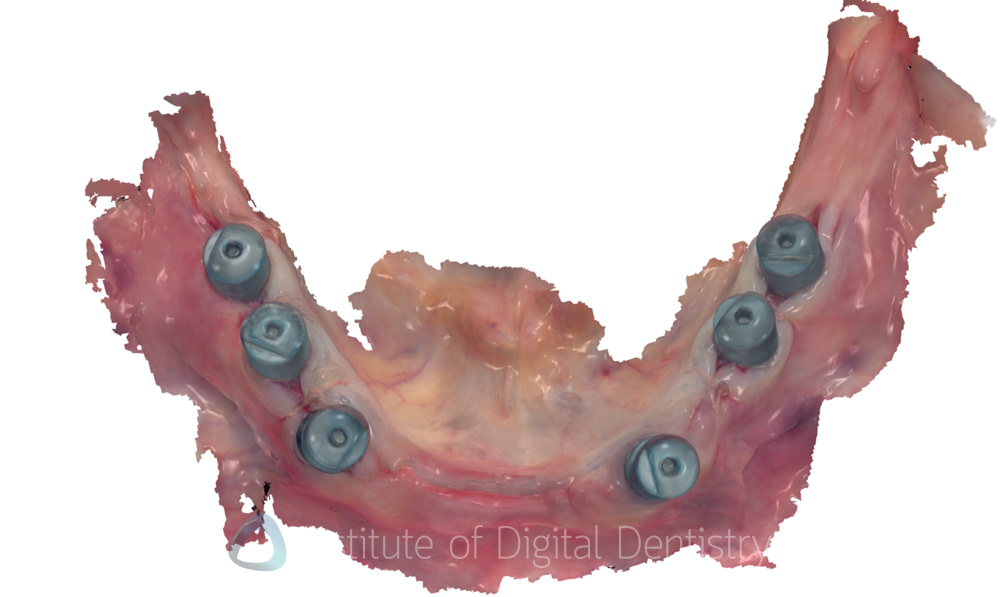
ScanAssist, the AI feature introduced with TRIOS 5 and available in TRIOS 6 as well, is specifically designed to reduce double images and stitching errors that can plague scans without it, and it's a noticeable step up from TRIOS 3 and Core generations, which can still produce double images if your technique slips.
Conversations among lab technicians tend to agree that the hard part with any scanner in this space was never physically capturing the tissue; it's holding accuracy across a wide, featureless area, and TRIOS has consistently been one of the more forgiving systems on that front.
The one gap worth mentioning is the breadth of the workflow. TRIOS doesn't have quite as many dedicated edentulous and denture-specific workflows as some of the other scanners now offer. Their software is more cagey. You still cannot freely add scan windows. That said, it's still one of the market leaders for this indication.
Shining 3D - Aoralscan Elite, Elite Wireless, ELF
Shining 3D's current generation scanners, the Aoralscan Elite, Elite Wireless, and ELF, all share the same updated camera system and hardware, with a field of view of 19mm x 14mm and a 22mm depth of field. All three of the newer Shining 3D scanners are excellent at soft-tissue capture and edentulous scanning, and the larger scanner tip option that ships with these models was specifically designed with full-arch and edentulous cases in mind.
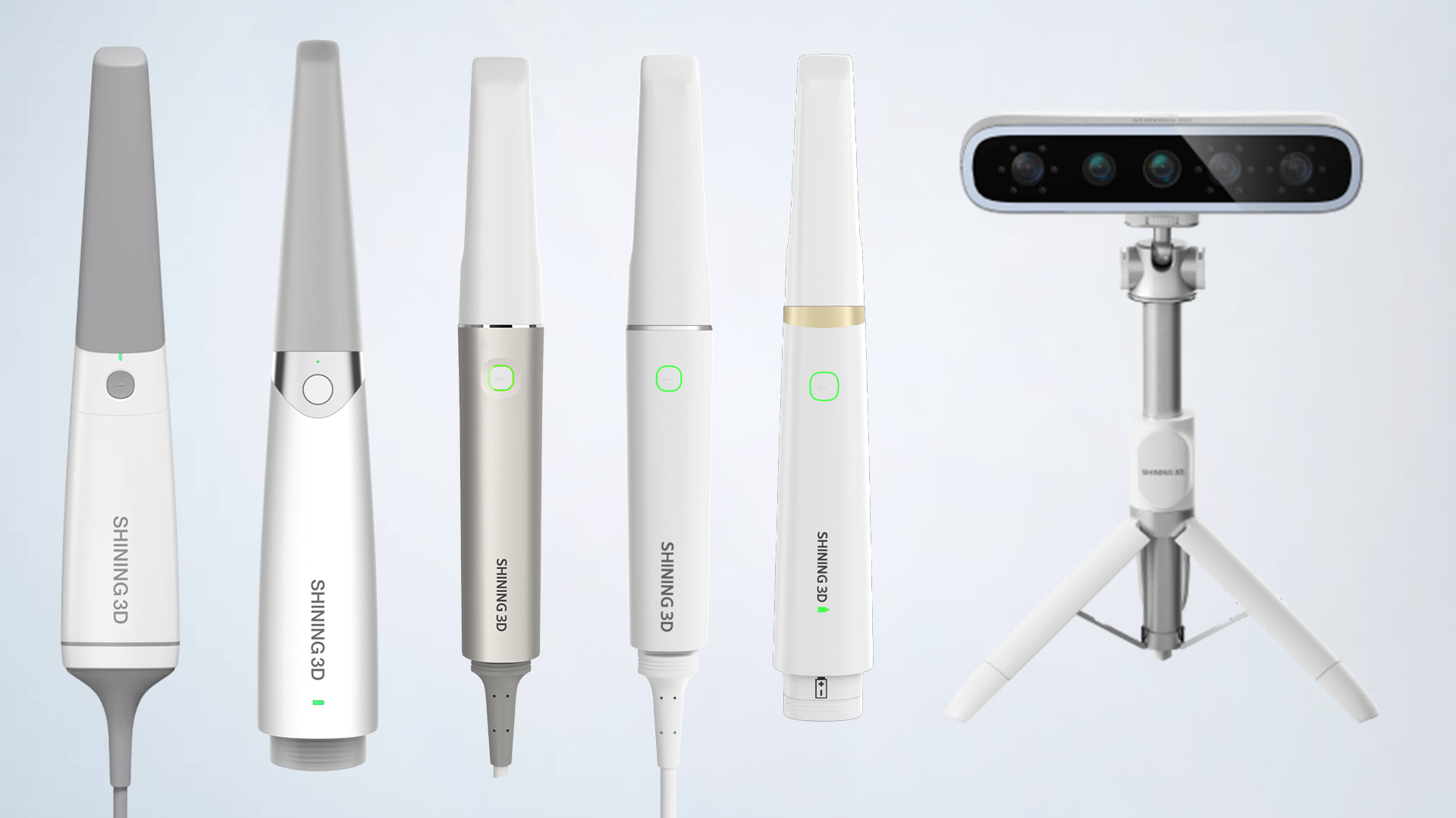
Software, stitching, and workflow depth are all strong here. This is one of the better scanners for edentulous scanning for sure. I will say the scan resolution is not quite the same level as TRIOS 5 and 6, but this does not seem to impact clinical performance at all. Also, they are one of the few scanner companies that also makes a face scanner, which all integrates into one workflow, quite useful for denture cases and all on x.
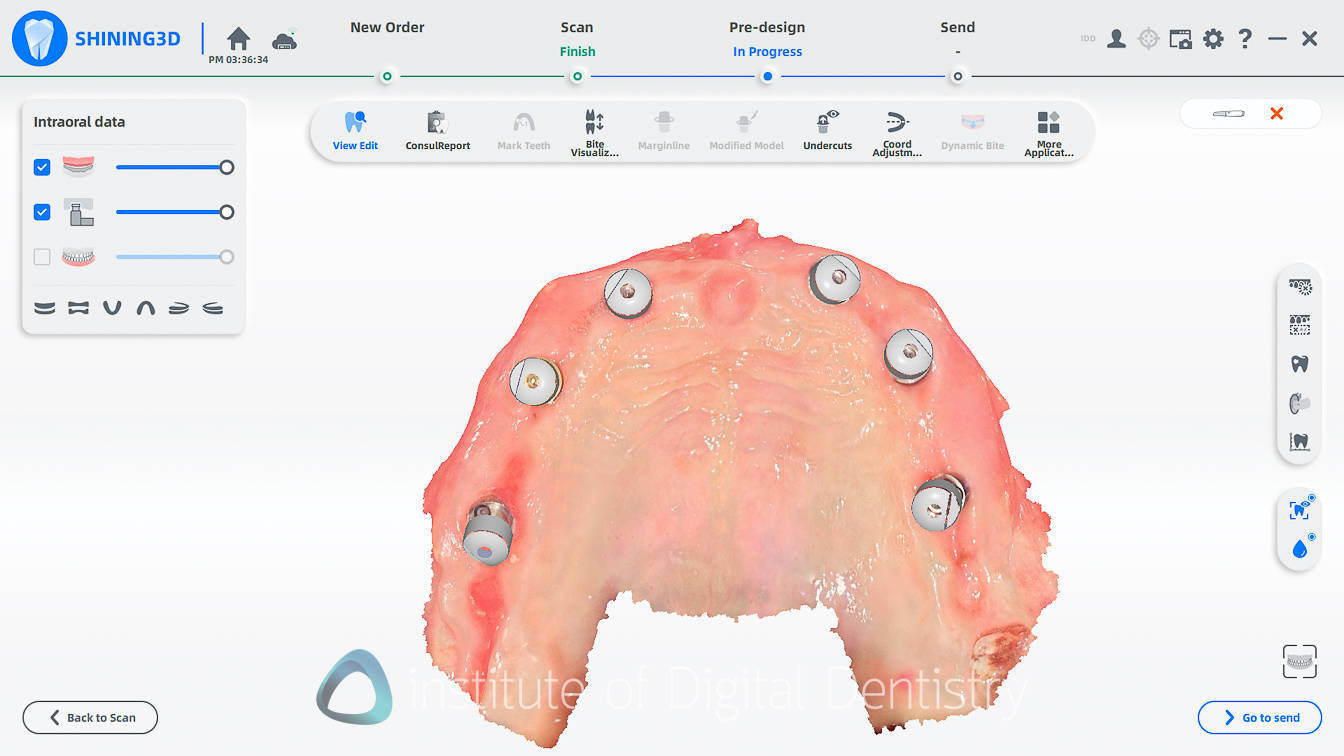
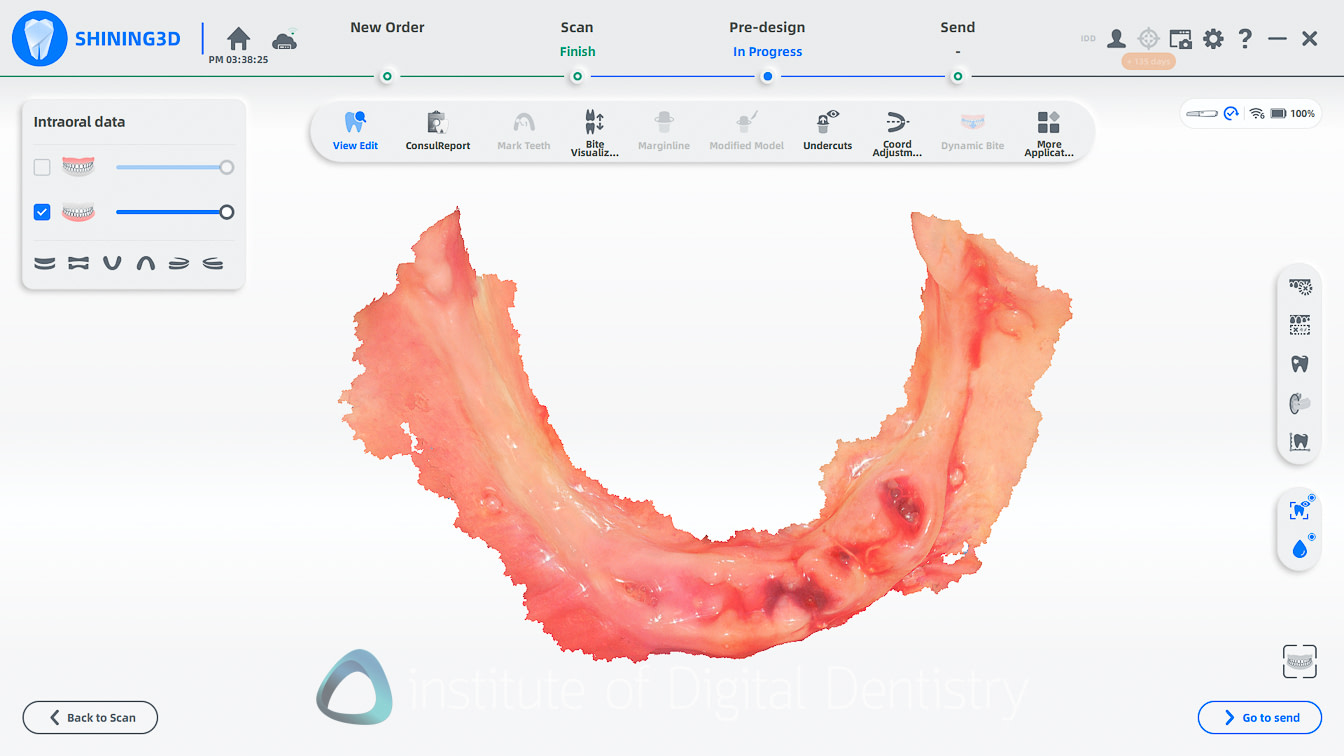
It's important to separate this current generation (Elite and ELF) from the Aoralscan 3, Aoralscan 3 Wireless, and Lync Pro, etc, which share older hardware with a noticeably smaller 16mm x 12mm field of view and 20mm depth of field. Those older models are still capable and share the same genuinely good software, but the smaller FOV makes edentulous cases more technique-sensitive and less forgiving.
If you're specifically shopping for edentulous performance from Shining 3D, make sure you're looking at Elite/ELF-generation hardware rather than the Aoralscan 3 line, in my opinion. The Elite / ELF are another market leader in this indication.
Medit - i600, i700, i900
For a long time, Medit's soft-tissue handling lagged behind that of 3Shape's. That's been improving steadily with recent software updates, but there is still a gap depending on which model you're using.
The i900 and i900 Mobility are genuinely the strongest Medit options for edentulous work, mainly because of their large 18mm x 15mm field of view and 30mm depth of field, both noticeably larger than the i700's 15mm x 13mm field of view and 23mm depth of field (the i600 shares the same 15mm x 13mm field of view and 23mm depth of field as the i700).

That larger scanner tip option is not something to gloss over like a pediatric tip option, it noticeably improves handling of edentulous ridges compared to the previous generation. That said, anyone who has used different scanners knows that MEDIT still has some work to do in this aspect. It is improving, but not currently number one.
I have to say, in the company's most recent software updates, I have noticed this has improved significantly. And I know for one, they get this feedback all the time, so it is on their radar to continue improving.

One thing Medit does do very well is software. One of the best and most flexible on the market. Medit has documented full digital denture workflows for almost everything, including a copy denture technique in which the existing prosthesis is scanned at 360 degrees, cloned as the starting point for the new one, and then aligned to the edentulous scan. Scan resolution and clarity are also exceptional.
The i600 and i700 are still workable, and plenty of denturists use them daily, but they are much more technique sensitive. A steady, excellent scanning pattern is more critical on these units than on the i900 or the other scanners mentioned above. If you're currently on an i700 and finding soft tissue capture frustrating, that lines up with what we've seen. The i900's larger tip is the more forgiving option if edentulous work is a regular part of your caseload.
Alliedstar - Sensa, AS260, AS200E
This brand deserves more attention than it gets and is honestly one of the industry's sleepers. Alliedstar's current flagship, the Sensa, launched in 2025 following Straumann's acquisition of the company, has a field of view of 16mm x 14mm and a depth of field of 18mm, which are identical to those of the previous generation AS260 and AS200E.

The Alliedstar scanners don't have the largest DOF or FOV on paper, but the software is extremely user-friendly and forgiving. Soft tissue filtering is smart, stitching is consistent, and it handles bloody sites and tissues very well. These scanners, on their own, hold up well against the more mainstream scanners.
The main drawbacks, I would say, are, again, the scan resolution (which is improving) and the software not being quite as feature-rich as MEDIT or Shining 3D. Still, on scanning alone, this is one of the easiest scanners to use for edentulous cases. I rate it for this indication and found it to be one of the easier ones to carry out edentulous scanning with.
Align iTero - Lumina, Element 5D
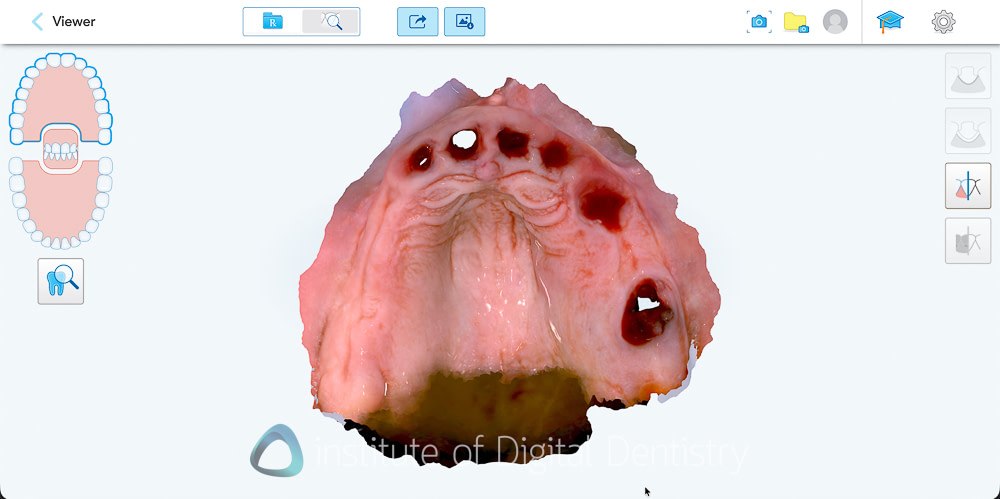
The Lumina is excellent in this department too, which honestly came as a surprise to me, as they have never been seen as the 'restorative scanner' or really marketed any edentulous workflows. Their scanner and software are solid.
The iTero Lumina has a huge field of view, far larger than any other scanner, measuring 34mm x 27mm with a 25mm depth of field, roughly two to three times larger than most competing scanners, and this is one of its standout features.
On the other hand, the previous-generation iTero Element 5D Plus is just 12mm x 12mm with a 16mm depth of field, which is one of the main reasons I would recommend the Lumina instead of the Element 5D if you're considering an iTero scanner these days, especially for edentulous scanning.

The AI-based soft tissue filtering on the Lumina is impressive. During scanning, the scanner totally avoids capturing tongue and cheek artifacts even on edentulous arches and all-on-X cases, which is not a given with a scanner with this large of a FOV and DOF - as it's "seeing" a lot. The software is very dialed in.
A trade-off to be aware of, though, is that the scanner itself, while lighter than older iTero models at 260 grams, still has a wider head than most competitors, which can be awkward in tight distal access in smaller mouths. For dentate scanning, getting the distal ends of the terminal molars can be tricky, but in totally edentulous cases, the size was never an issue, as there is so much room to scan.
The other catch, and it's a real one, is software workflow depth. Align does publish denture and appliance scanning guides for the Lumina, so the basics are there, but the structured, denture-specific workflows and the ability to cleanly align an edentulous scan with a jaw relation record across multiple scan windows are not yet there. The scanning hardware and AI are there. The surrounding software ecosystem hasn't quite caught up for this specific indication, and the lab form itself could use simplifying. I hear it is coming soon.
Dentsply Sirona - Primescan 1, Primescan 2, Omnicam
Here is another story of a scanner with a huge field of view, but doesn't quite have the software to back it up, emphasizing the importance of both.
Primescan 1 and 2 have a large FOV of around 16 mm × 16 mm and a depth of field of 20 mm, which helps, but its AI soft-tissue-filtering has never been strong and still isn't.
With good retraction technique, the scanner is excellent; it captures fast and effectively, with minimal stitching errors thanks to the FOV and software (which rarely makes stitching errors). But with average or poor retraction, it produces a messy scan with lots of artifacts. It simply captures everything in its sights - tongue, cheek, etc. Don't get me wrong, edentulous scanning with Primescan can be done, and if you're picking up Primescan for the CEREC workflow, it still is a great all-rounder scanner. Just not the easiest to use for this indication.
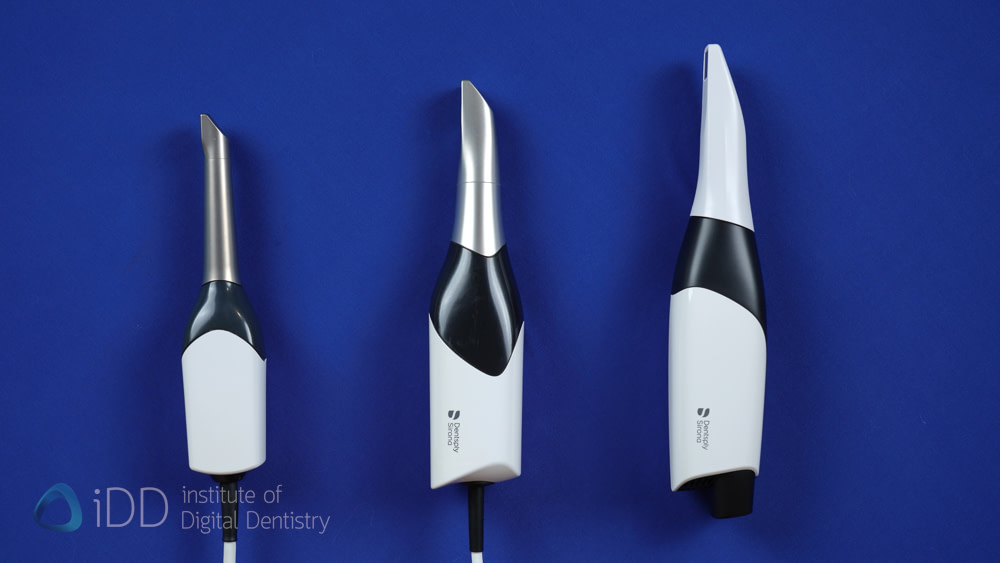
Primescan 2 is in the same position, plus it adds wireless connectivity and cloud-native architecture into the mix, which doesn't change the underlying soft tissue filtering performance. Worth knowing before you commit to it, because it now runs on Dentsply Sirona's DS Core cloud platform, scan performance is tied to your internet connection, and some users report occasional lag interrupting an otherwise smooth scan, including on edentulous and all-on-x cases, which can be more disruptive on a complex case than on a simple crown prep.
Omnicam should be avoided entirely for this indication in my opinion. Its scanning head is very small by modern standards, and it lacks the built-in heater or fan that most current scanners use to prevent fogging during longer scans. Those limitations already show on straightforward crown and bridge work, and edentulous ridges push them even further. It's simply not built for it.

DEXIS - Imprevo, 3800 W
Among DEXIS scanners, the Imprevo is the only one worth considering if you're getting into edentulous scanning. Released in late 2025 as the successor to the IS 3800W, it shares the same 16mm x 14mm field of view but increases depth of field from 20mm to 25mm, a meaningful jump for scanning edentulous ridges.
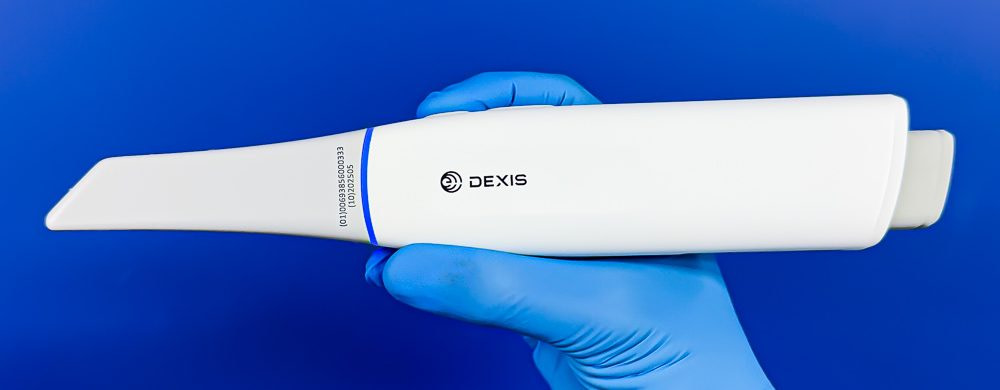
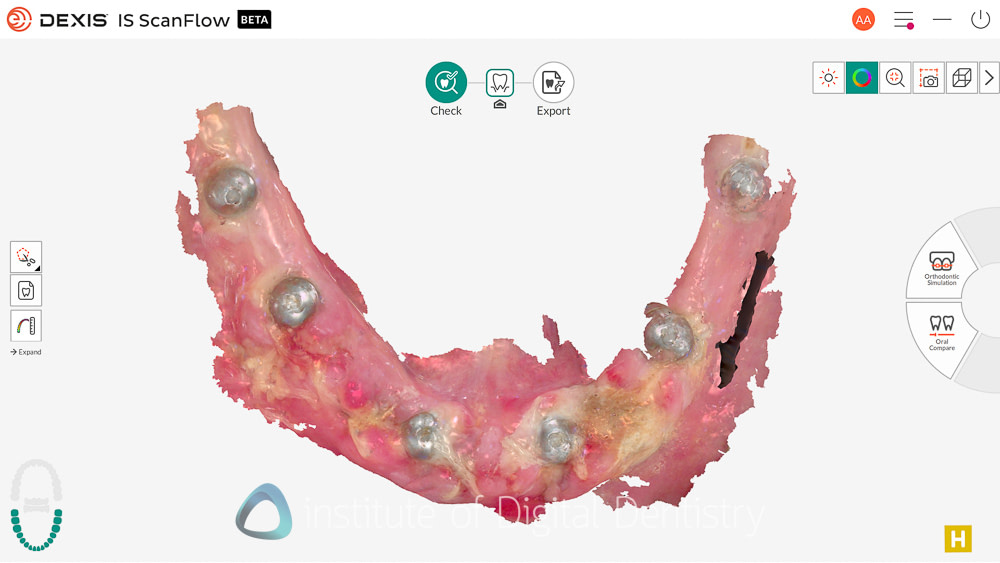
The main story here is not the hardware but the software updates. When I first used the Imprevo last year, it made a lot of stitching errors in edentulous scans. To the point that even scanning the hard palate was not perfect, even with good scan technique. Nowadays, there have been real and significant improvements in soft tissue handling, and it now sits roughly in line with other mid-tier scanners in this group - not marketing-leading, but doable without major issues.
It has to be said that the DEXIS software, from a workflow perspective, is excellent and, again, one of the sleepers of the industry. ScanFlow (the DEXIS scan software) is one of the most flexible, workflow-driven systems on the market, and that carries through to the Imprevo. Nearly every workflow is adjustable, and you can build your own if the defaults don't fit your process, which is genuinely useful if you handle a wide variety of removable prosthetic cases and want the software adapting to you rather than the other way around.
If I were set on a DEXIS scanner these days, whether it was bundled with a CBCT or implants, I would definietly go for the Imprevo over all others. In my experience, it is the best option in the DEXIS range, especially for edentulous scanning.
Value-Oriented Scanners (Runyes, Helios, Aidite, etc.)
The latest generation of Chinese intraoral scanners, such as Runyes, Helios, and Aidite, has improved considerably and is now genuinely capable for most dentate indications. For single units, short-span work, and routine restorative cases, they perform well and represent excellent value. Totally caught up in that side of the market.
Where I still notice a difference compared with the mainstream premium brands is in more challenging edentulous cases and software/workflow features. Although the software continues to improve rapidly with updates, I find these scanners are generally less forgiving when scanning edentulous arches or All-on-X cases, with stitching errors and loss of tracking occurring more readily. Also, their software tends to be a lot more basic.
Good scanning technique can absolutely overcome many of these limitations, but it typically requires a more careful scan strategy and experienced hands than scanners from companies like 3Shape, Shining 3D, Alliedstar, or iTero. Even I find myself getting stitching errors with these scanners - on things like scanning horizontal scan bodies, etc.
Among this group, Runyes has been one of the stronger performers in this group in my experience, with OK soft-tissue handling and overall scanning performance. Aidite has also improved substantially with recent software updates and their own line of IOS. Overall, these scanners are becoming increasingly competitive, but for demanding workflows they are not yet my first choice.
Final Thoughts
If you strip this down to the core requirements, you want a scanner with a good Field of View and Depth of Field, and genuinely strong soft tissue filtering and stitching. That combination is what separates a one-minute edentulous scan from a fifteen-minute one with three restarts.
Based on everything above, my current top picks for edentulous and soft-tissue scanning are the TRIOS scanners, Shining 3D Elite / ELF, Alliedstar, and the iTero Lumina. Medit is closing the gap quickly with the i900 and recent software updates, and so is DEXIS. Both of these offer excellent, flexible software for a wide range of workflows.
The gap between intraoral scanners has never been smaller. Just a few years ago, there were clear differences between the leading systems and the rest of the market. Today, improvements in hardware, AI, and software have raised the standard across the board, and almost every modern scanner is capable of producing excellent clinical results for routine dentistry like a single crown.
The real differences now lie in the finer details. Challenging edentulous cases, soft-tissue handling, workflow efficiency, and how forgiving a scanner is under less-than-ideal conditions are where the leading systems continue to separate themselves.
My advice is simple: don't choose a scanner based on specifications alone. Consider the complete package - software, workflow, support, ecosystem, and how the scanner performs in the types of cases you do every day. Those factors will have a much bigger impact on your clinical experience.
Perhaps the most encouraging trend is how quickly the market is evolving. Competition has never been stronger, and that's good news for clinicians. Better scanners, better software, and more choice ultimately mean better outcomes for everyone.
Let me know what your favorite scanner is for edentulous scanning in the comments below. Thanks for reading.