


Let's address this directly. Fussen is not yet a household name in most Western dental markets, but it is a company worth paying attention to. The Shenzhen-based manufacturer has been around since 2010, employs over 400 people (with roughly half in R&D), and claims to serve more than 80,000 dental clinics globally.
More importantly for this article, they just launched their new Rubik X Series CBCT with both CE and FDA clearance, and they are pushing hard on an AI-connected cloud platform called Dental X 2.0.
I recently had a couple of detailed product briefings with Fussen's product managers, one on their CBCT systems and another on their intraoral scanner ecosystem, and I want to walk you through what is actually new, what looks genuinely useful, and where I think clinicians should apply some healthy skepticism.
Either way, the AI boom is coming for dentistry. It will be interesting to watch what actually works in the coming years.
What is the Rubik X Series?
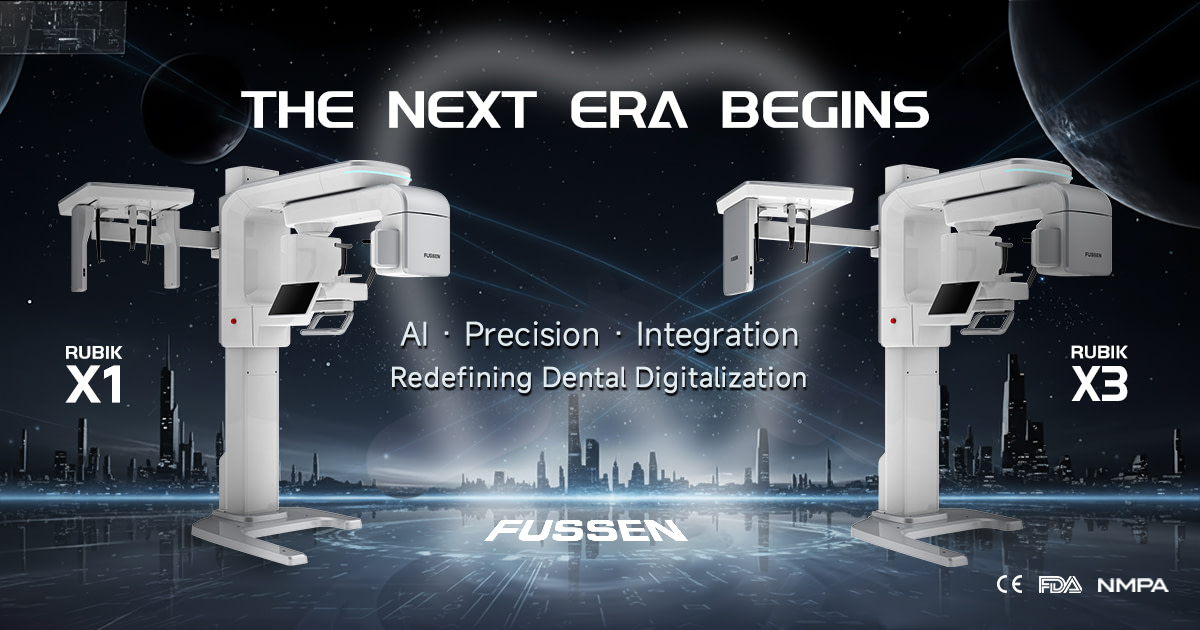
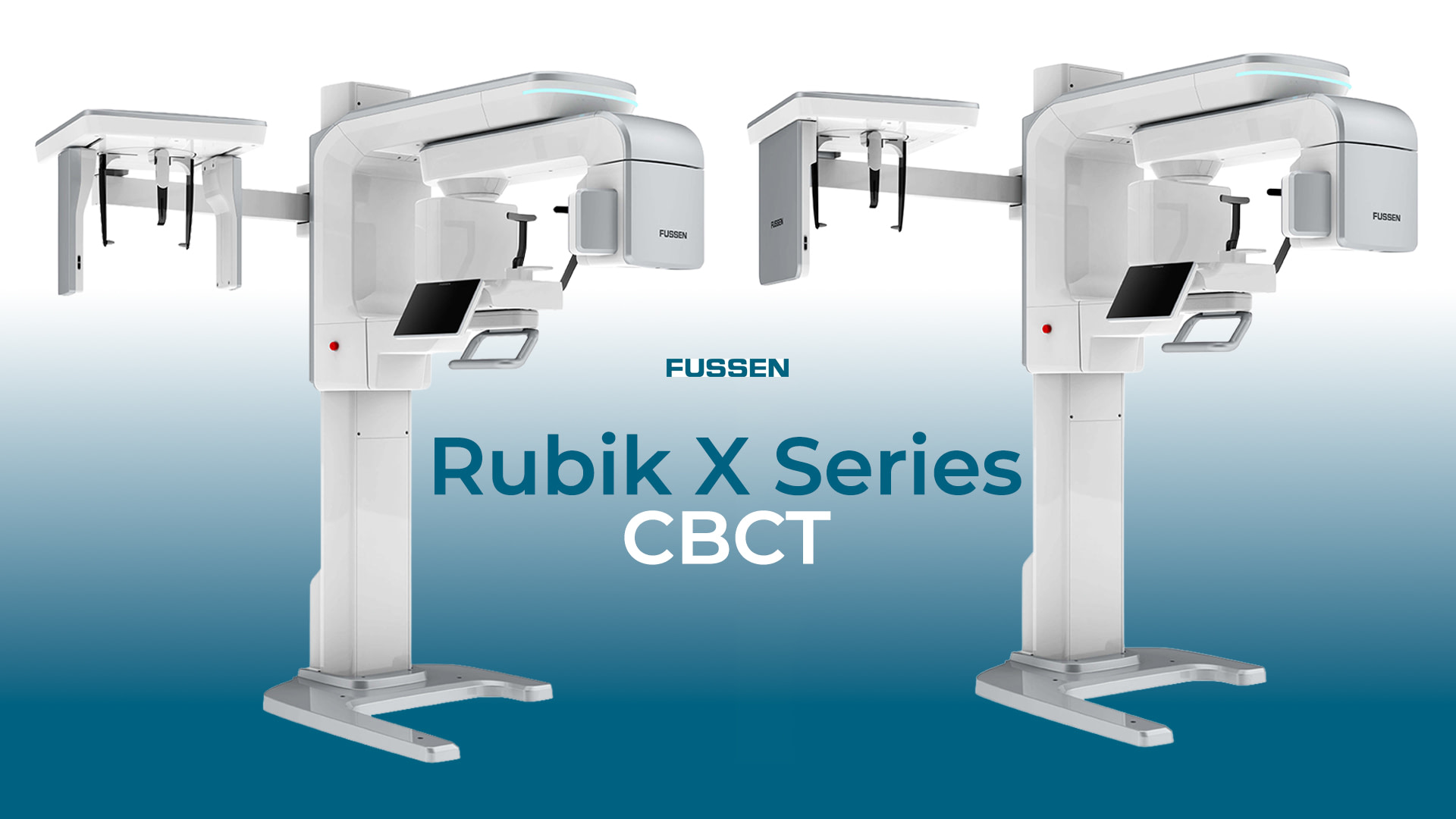
The Rubik X is Fussen's newest generation CBCT platform, officially launched globally on 21 November 2025 following CE and FDA certification. There are two models in the range.
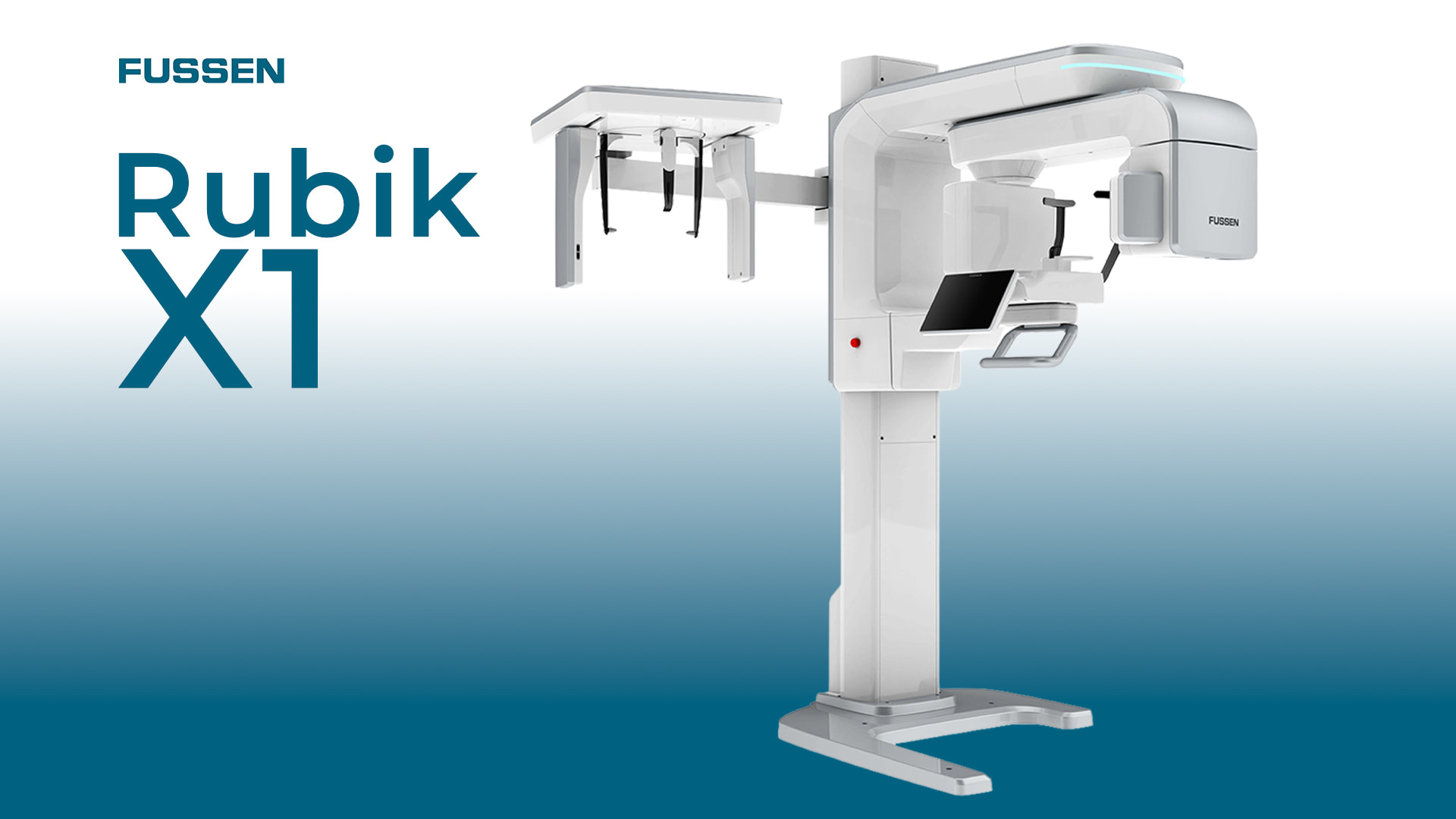
Rubik X1 is positioned for general practices and multi-chair clinics. It offers field-of-view options from 5x5 cm up to 16x16 cm.
Rubik X3 is aimed at implant centres, orthodontic practices, and maxillofacial specialists. It extends the largest FOV up to 18x20 cm, offers one-shot cephalometry, and is marketed on extended FOV coverage.
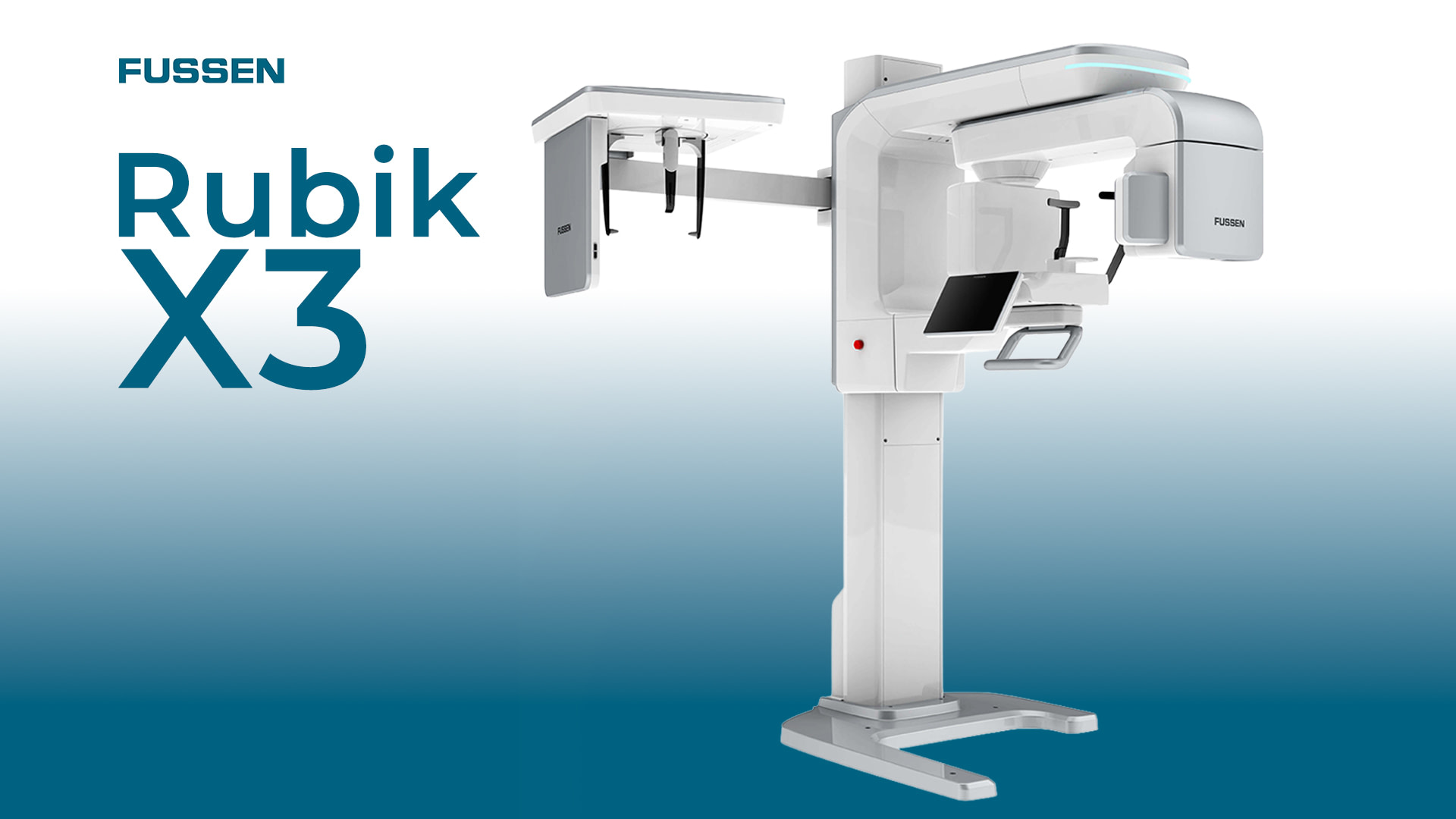
Both models are described as true 5-in-1 multifunctional CBCT platforms, with standard modules for CT, panoramic imaging (PANO), model scanning, facial scanning, plus an optional cephalometric (CEPH) upgrade. That is a lot of modalities bundled into a single footprint, and for clinics that are space-constrained or trying to consolidate equipment, this matters. The addition of face scanning in particular is interesting.

Know what’s next in dentistry. Before everyone else.
The innovations, clinical insights, and digital trends that matter - curated by iDD and delivered straight to your inbox every week.
Hardware specifications worth understanding
Here is where Fussen makes a specific technical argument that I think is worth unpacking for readers shopping for CBCT units right now.
The Rubik X uses a 120 kV high-voltage generator. This is not the norm for mid-range CBCT units. According to Fussen's product manager, only a handful of premium brands (they specifically named Planmeca and Carestream) operate at 120 kV, with most competitors sitting around 90 kV. Higher kV means better penetration through dense structures, which in theory translates to fewer metal artefacts and less noise, particularly important for patients with existing crowns, bridges, and implants. I will let you do further research and decide for yourself how much real-world difference this makes, but on paper, it is a legitimate spec advantage and the images they shared with me look great.
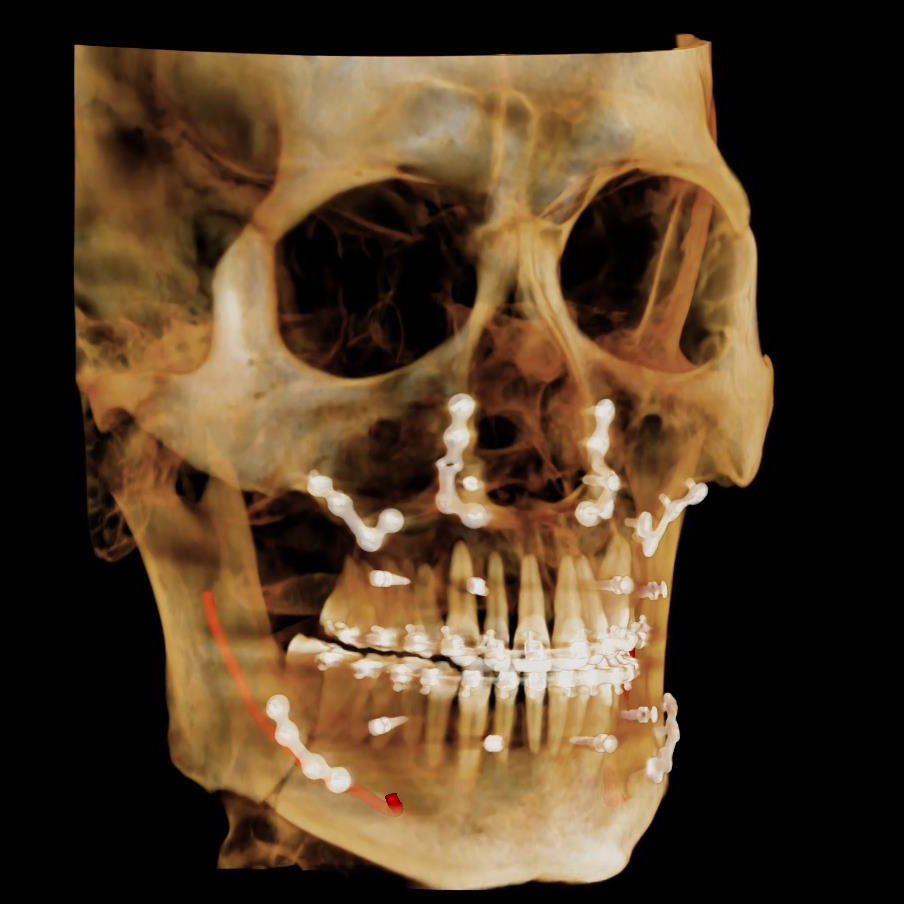
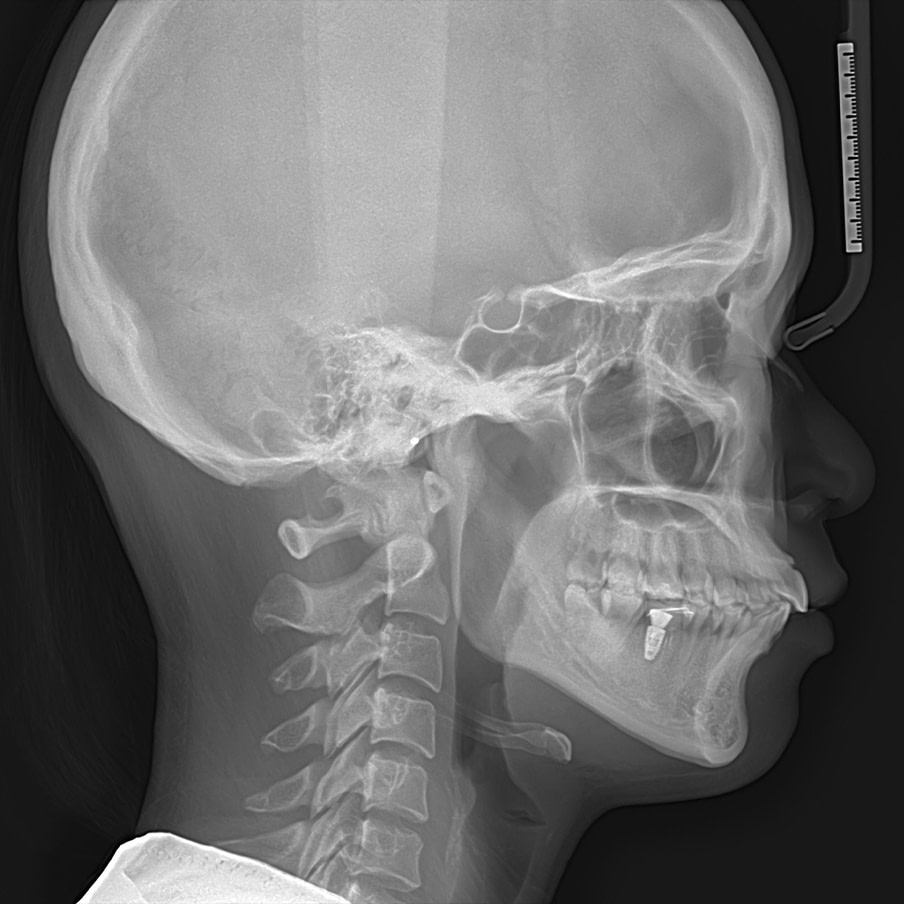
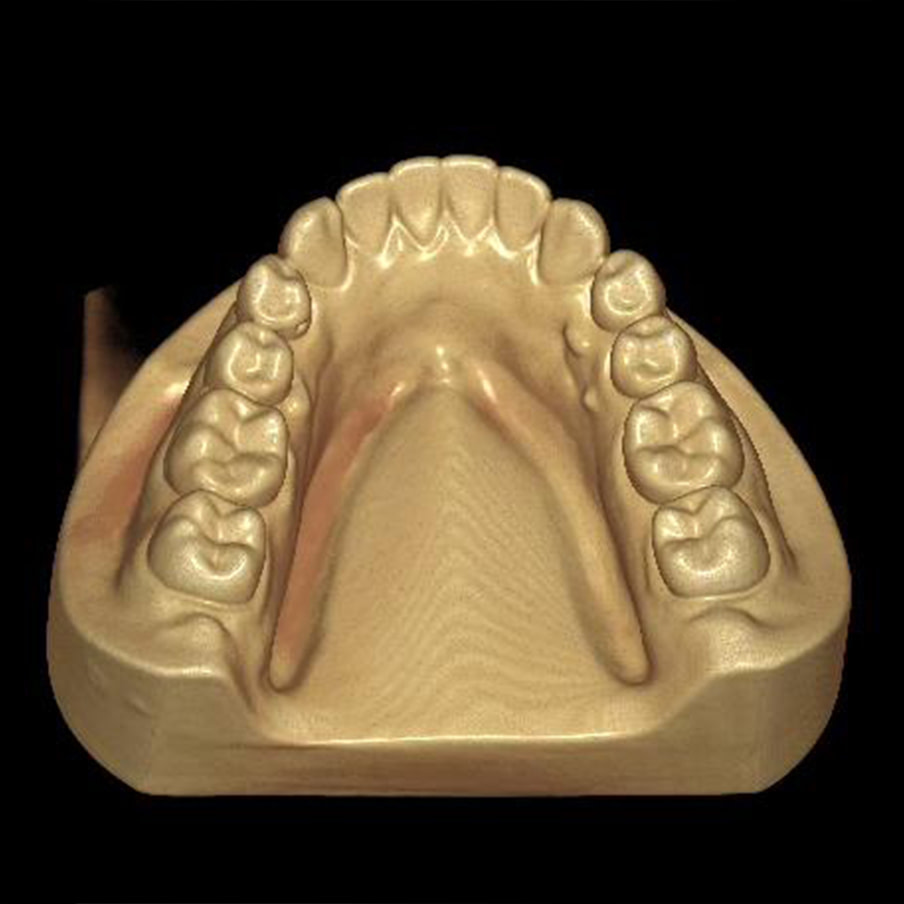
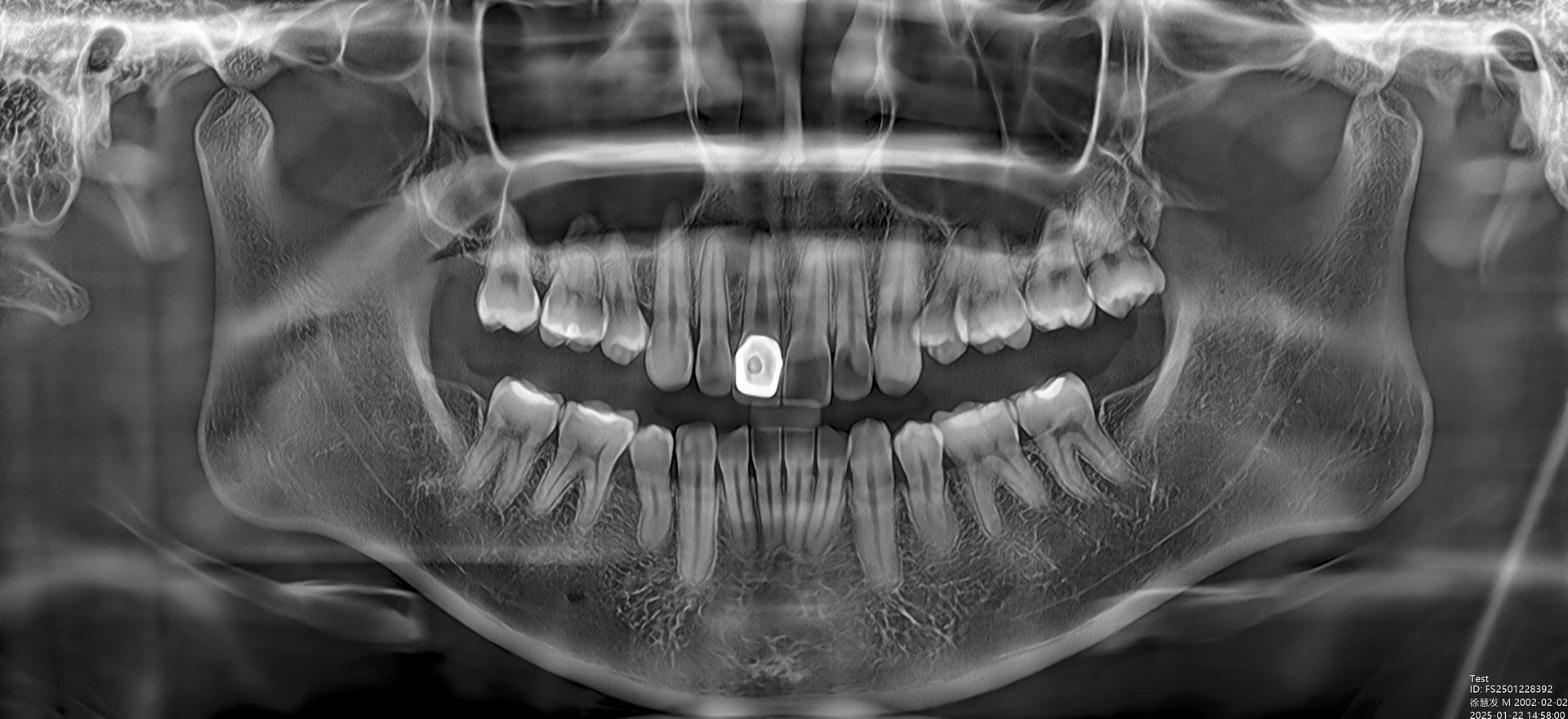
The voxel resolution is 50 μm ultra-fine. For context, many CBCTs in Fussen's price range sit at 75 to 100 μm. Whether 50 μm translates into clinically meaningful improvements for most users is the honest question. For endodontics and fine anatomical detail (small accessory canals, precise caries extent), yes. For standard implant planning? Less so. The older D50 unit, still in the range, runs at 75 μm, which is already more than adequate for most clinical needs.
Other AI-assisted image processing features include patient motion correction, metal artefact reduction, and noise reduction algorithms. These are becoming table stakes across the CBCT market, not unique selling points.
Dental X 2.0 - the actual story here (AI)
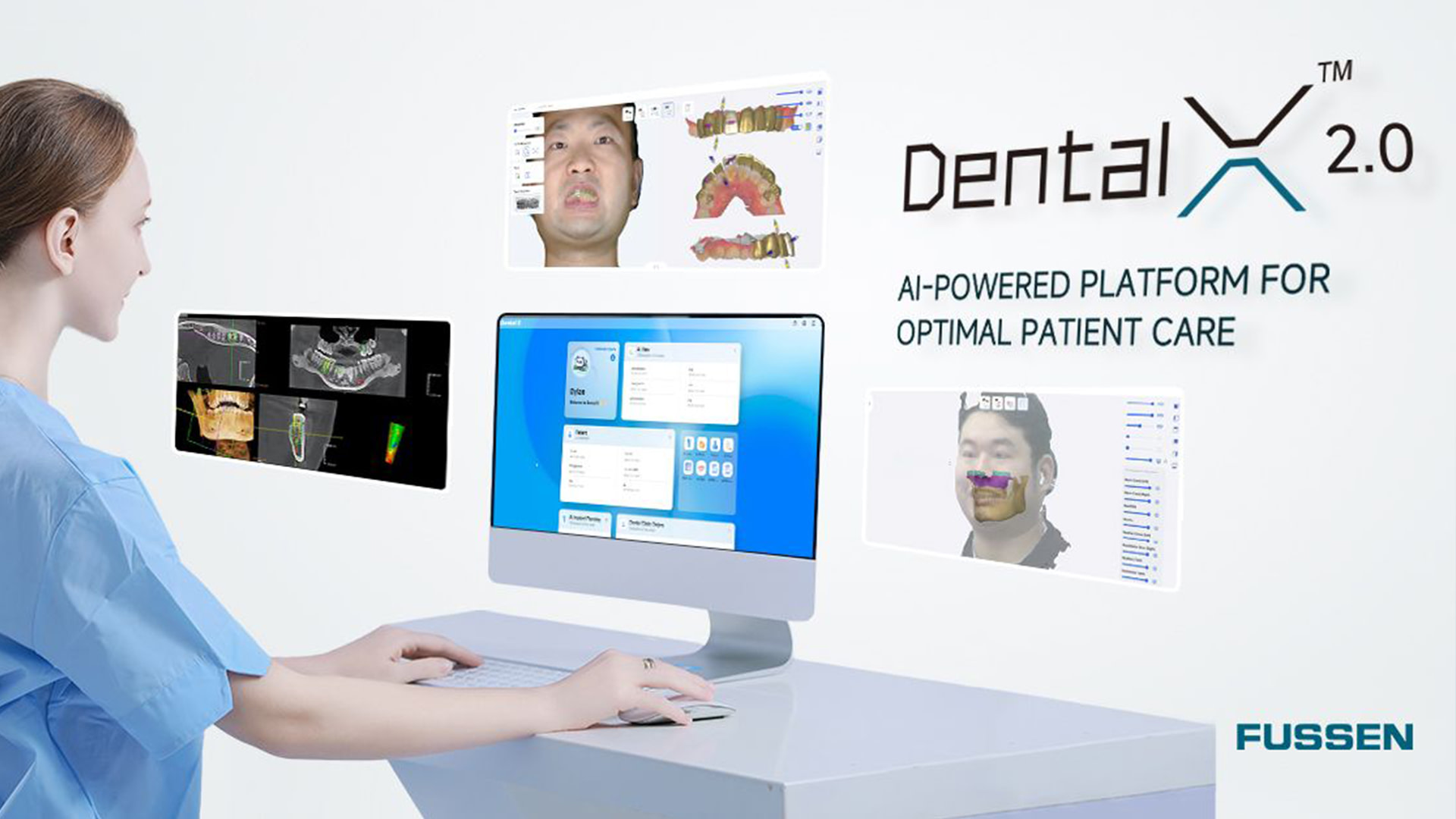
The hardware is the headline, but in my view the more interesting story is Fussen's Dental X 2.0 software platform. This is where the company is putting serious effort, and it is genuinely competitive with what I am seeing from much larger brands.
A crucial distinction to make, Dental X is cloud-based. Once a scan is captured on the local machine, it uploads automatically to one of two servers (Singapore for Asia-Pacific, Germany for Europe and the Americas). From there, any authorised user can view images, run AI tools, and collaborate on cases from any browser on any device, no local software install required. The platform is also open, meaning it accepts third-party CBCT and intraoral scanner data in standard formats (STL, DICOM, PLY, OBJ) from other manufacturers' devices.
That last point is worth repeating. You do not need to own a Fussen CBCT to use Dental X. If you have an intraoral scanner from another brand, you can upload data and use the AI surgical guide design tools.
AI diagnostic features
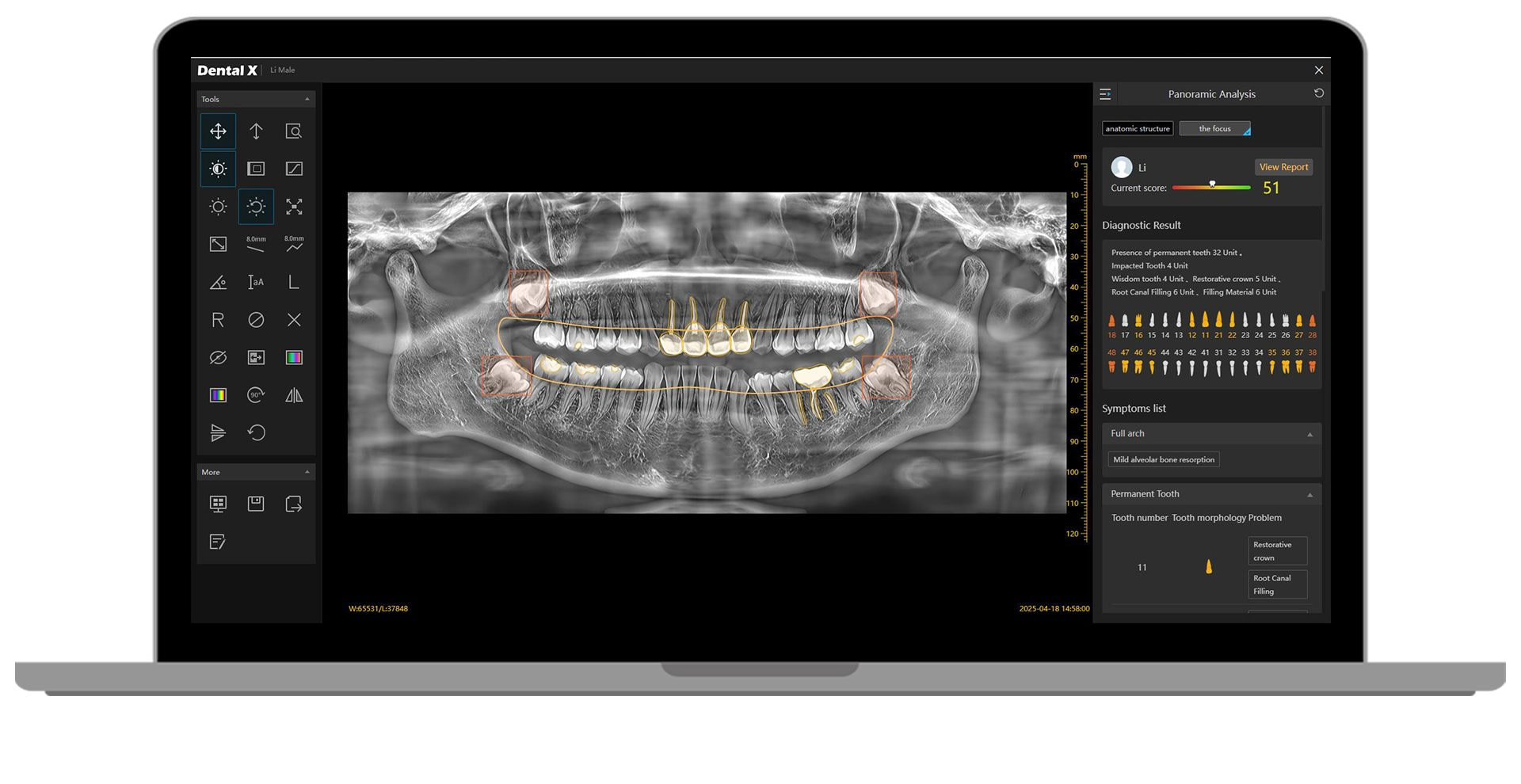
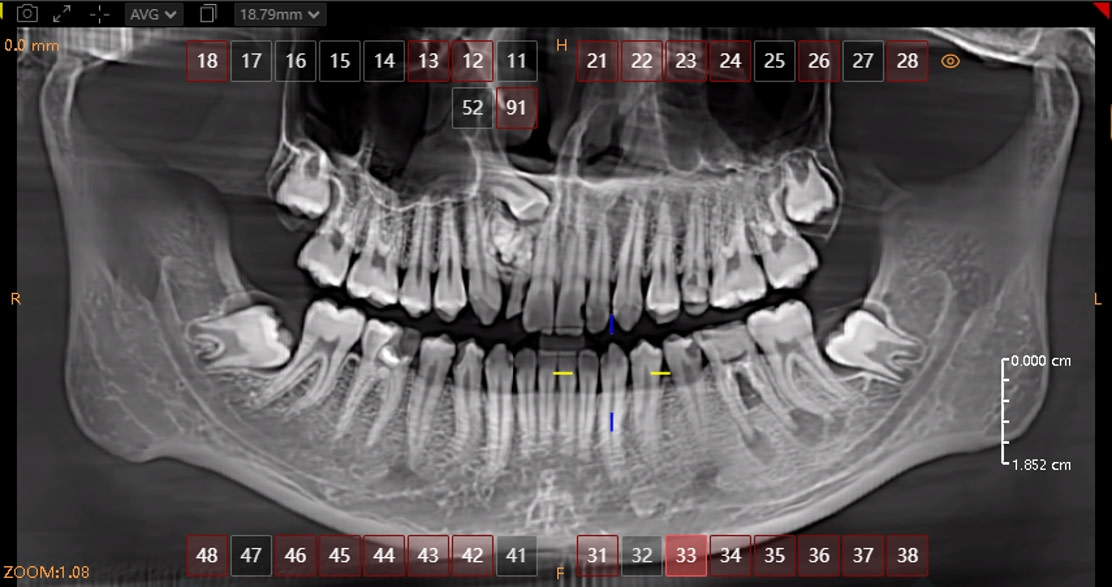
In my briefing, the AI diagnostic assistant detected what the product manager described as more than 30 types of lesions, with automatic colour-coded highlighting on reconstructed panoramic views. Click a flagged tooth, and the system navigates you to the best 3D angle of the lesion. You can quickly toggle between views and, importantly, manually edit the AI findings before generating a patient report.
This is similar in concept to what Diagnocat offers (and if you are seriously considering AI diagnostics, read our full Diagnocat review, which we put through hundreds of real clinical cases). The difference is that Fussen's version is bundled into the CBCT ecosystem rather than being a standalone cloud software and subscription.
In saying that, I have not independently tested the accuracy of Fussen's AI diagnostic engine, and to my knowledge Fussen has not yet published peer-reviewed validation data comparing their lesion detection accuracy against expert radiologists, the way Diagnocat has. Independent clinical validation data would strengthen the case further, and it is something I would like to see as the platform matures.
AI implant surgical guide design
This is the feature that stood out most in the demonstration. The workflow is streamlined and clearly designed for dentists rather than labs.
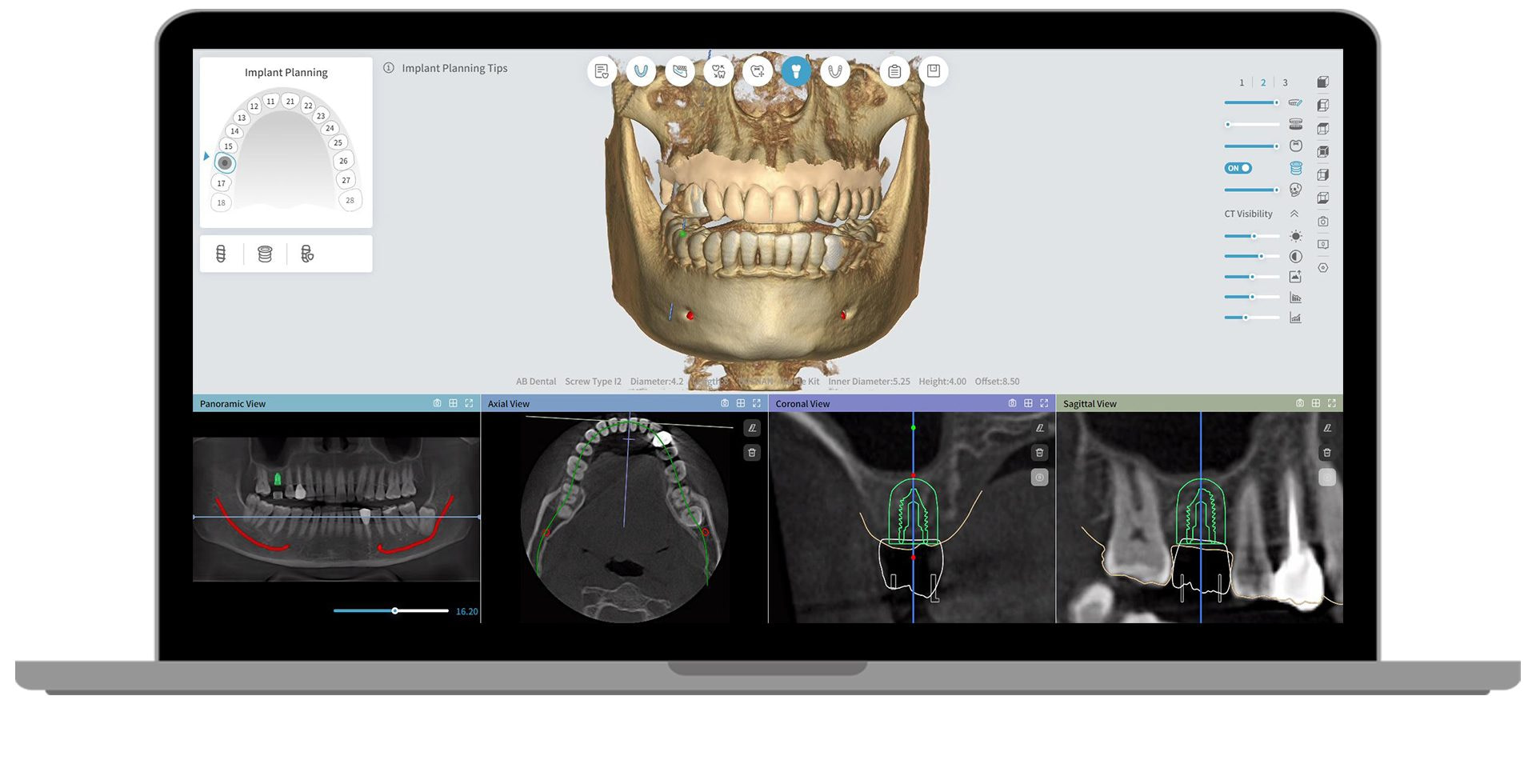
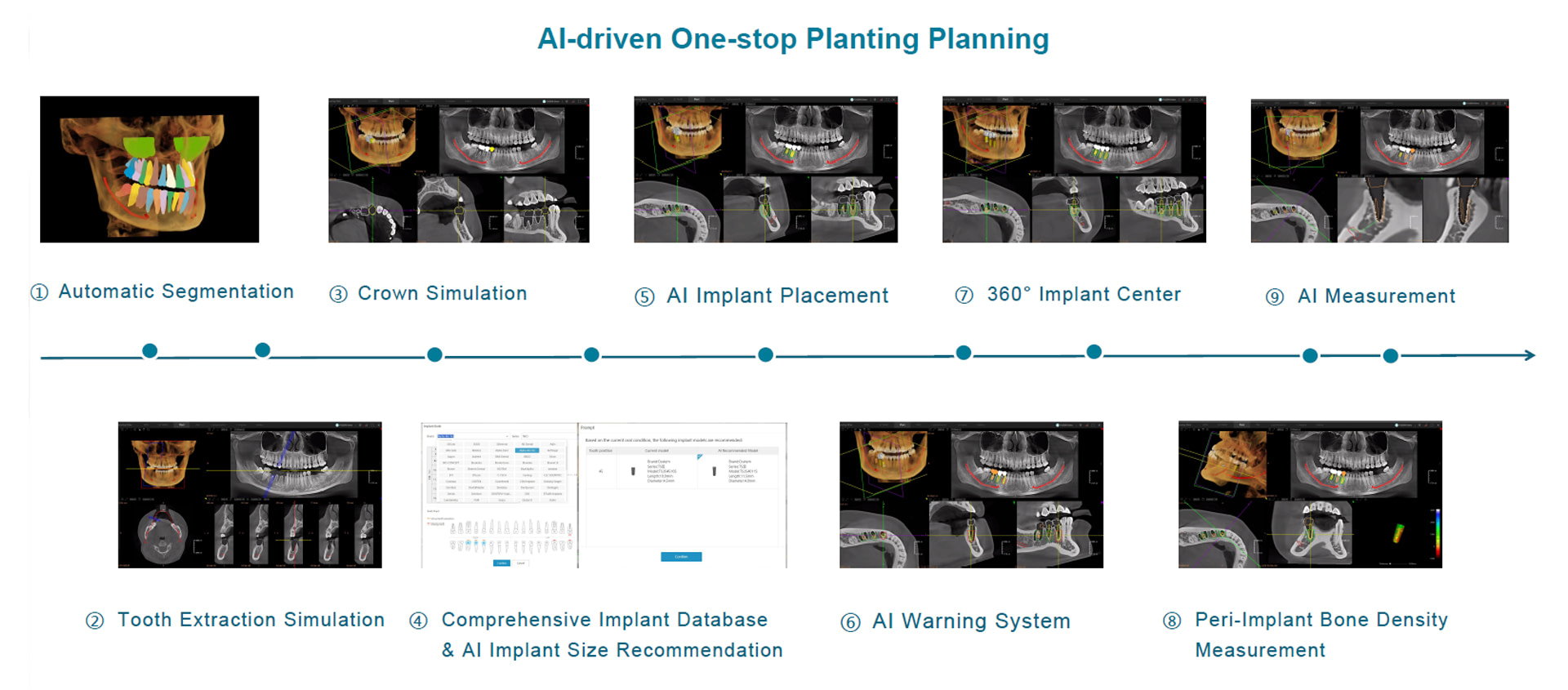
You select an intraoral scan and a CBCT from the patient record, choose the missing tooth position, pick an implant brand from a library of 130+ implant brands (with new brands added on request within about a week per Fussen), select a guide kit from a visual picker, and the AI generates a surgical guide in roughly three minutes.
You then step through each stage (tooth numbering, arch curve detection, mandibular nerve marking, IOS-CBCT fusion, crown simulation, implant positioning, guide shape) and either accept or manually adjust each one.
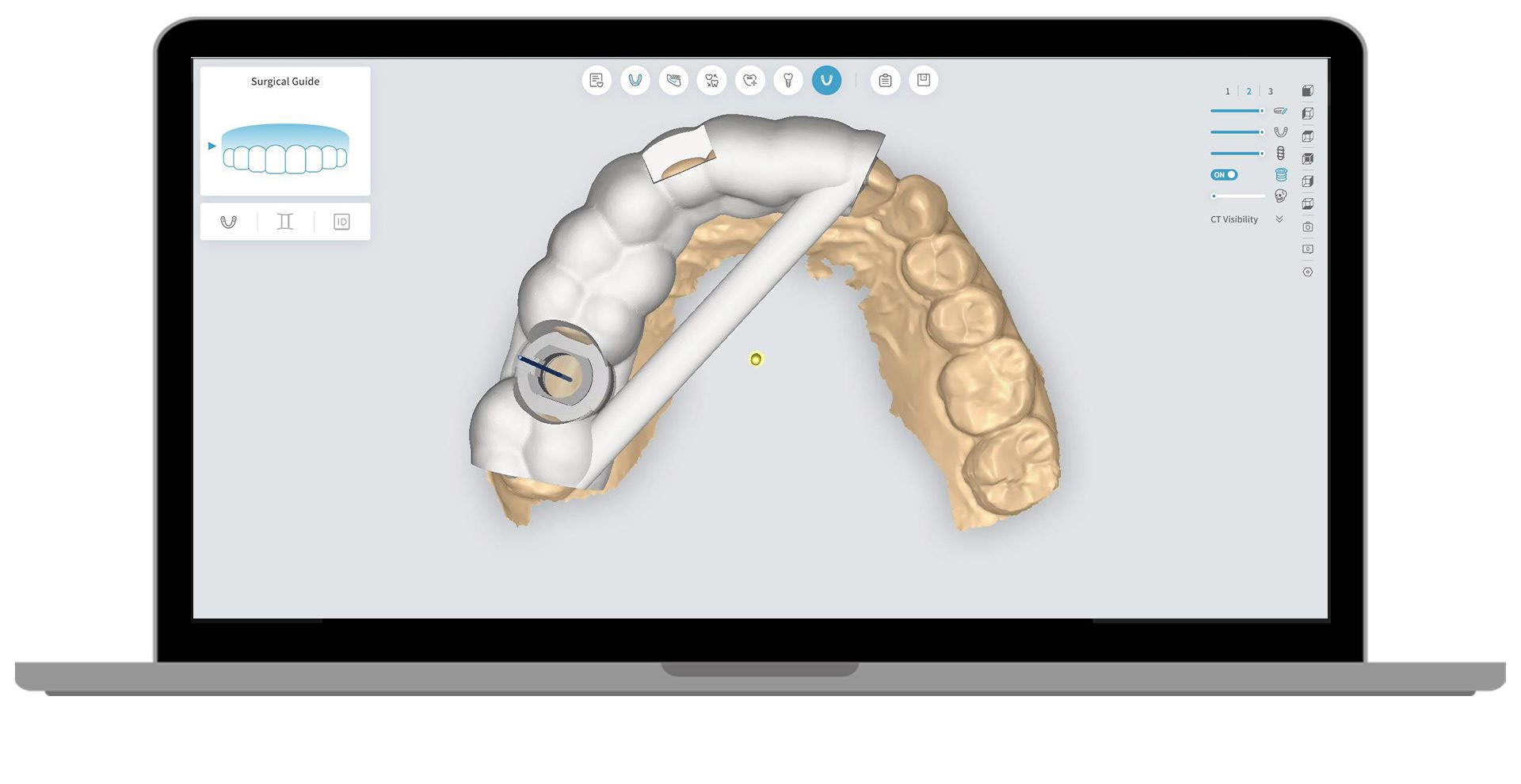
Here is the honest caveat from Fussen's own product manager. The AI-driven guide design is currently recommended only for cases with one to three missing teeth. For All-on-4, All-on-6, or other complex cases, you need to download a separate manual desktop software called Dental X Guide, which the PM openly described as somewhat challenging for some dentists, as the workflow and operation logic are similar to design software such as EXOCAD. However, for dentists who are already familiar with digital design software, it should feel quite similar and be relatively easy to learn. So if you primarily do full-arch implantology, this is not the tool to replace your current planning software.
For single and small multi-unit cases? It is frankly impressive that we are getting closer to AI-designed surgical guides. The automated workflow covers everything from panoramic reconstruction, nerve identification, IOS-CBCT registration, crown-driven planning, implant positioning, and guide generation in a single pathway. The final output includes an STL file for printing and a clinical PDF report covering crown position, nerve distances, bone density analysis, safety zones, and guide specifications.
AI crown design and chairside workflow
Paired with Fussen's S6500 intraoral scanner, Dental X 2.0 can auto-generate crown designs in about three minutes from scan data. Select the tooth, pick single crown, bridge, or pontic, select material, and the AI produces an initial design you can then edit for margin line, insertion axis, occlusion, and contour.
Whether the AI output is clinically acceptable without significant manual intervention is a question I cannot answer without hands-on testing. My experience with AI crown design generally is that the quality varies significantly by case, and human review remains essential.
Know what’s next in dentistry. Before everyone else.
The innovations, clinical insights, and digital trends that matter - curated by iDD and delivered straight to your inbox every week.
Face scan fusion and 3D digital smile design
The platform supports face scan data (captured on the CBCT's integrated face scanner module), and can align face scan, intraoral scan, and CBCT data into a single virtual patient. This enables a 3D digital smile design function that lets you show patients before-and-after simulations with colour adjustments.
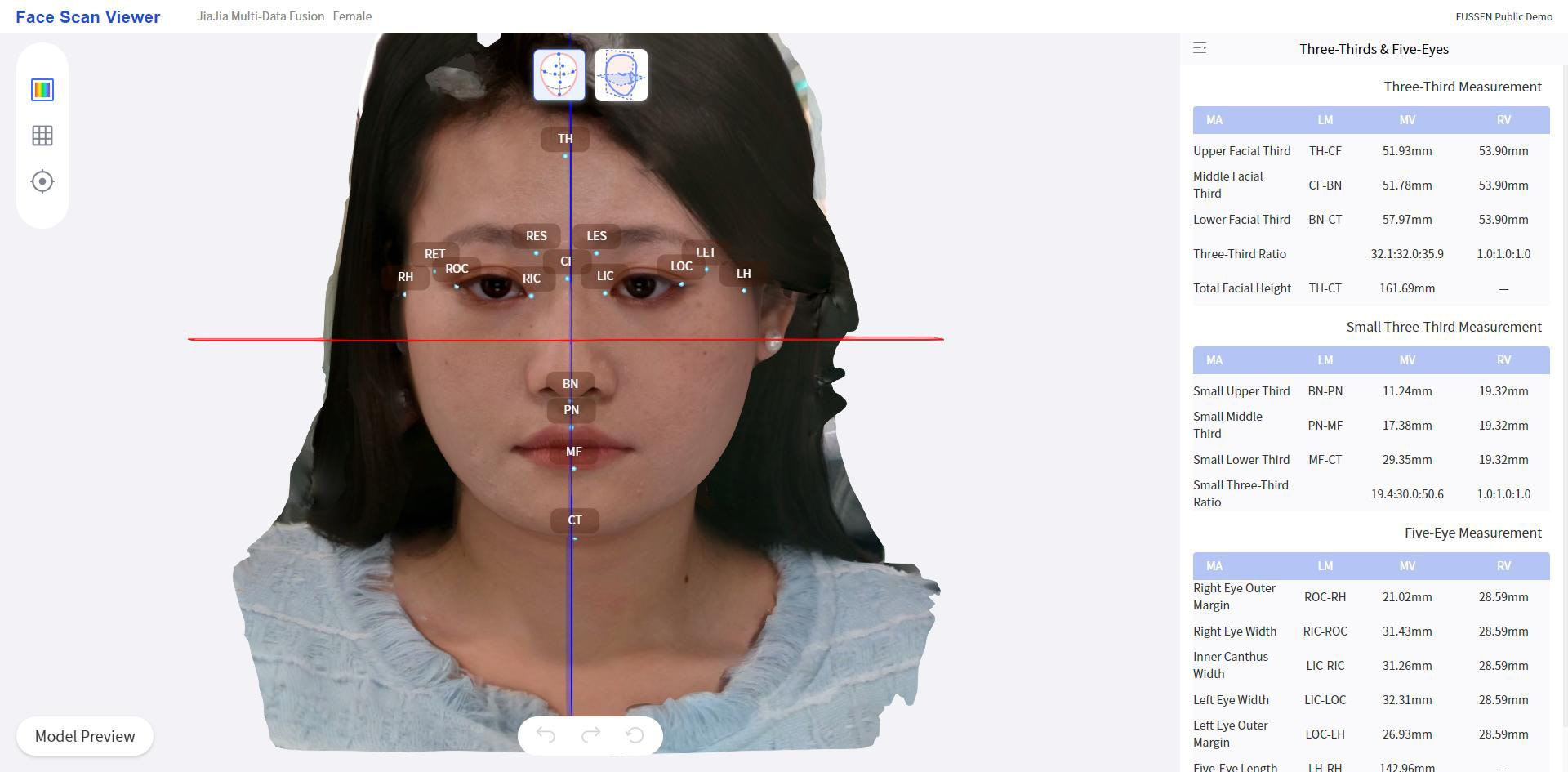
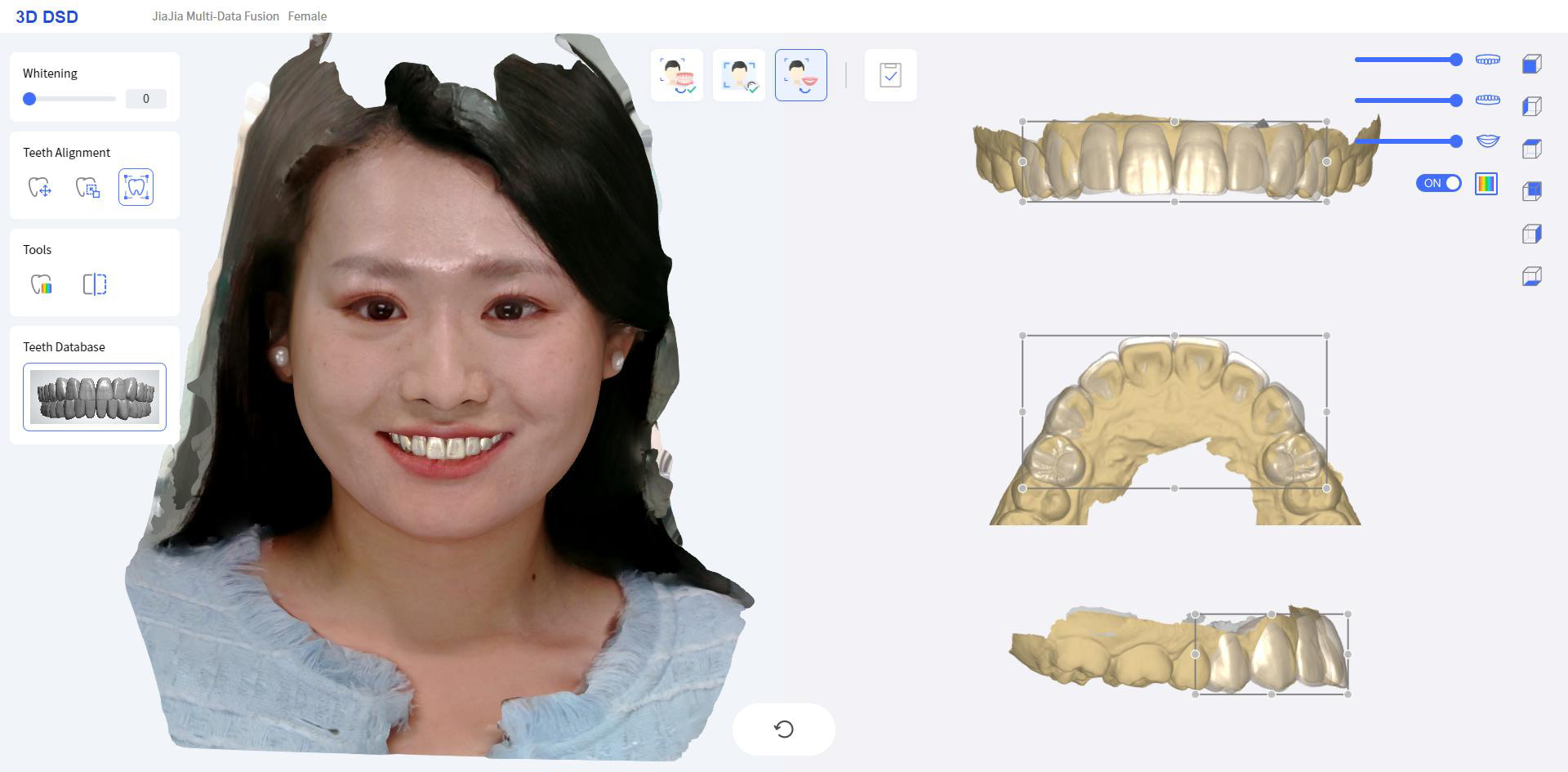
Fussen is transparent that the current fusion function is primarily for patient communication and education, not for driving manufacturing workflows. They mentioned jaw motion tracking and orthodontic simulation as features under active development. It will be interesting to see how these roll out.
Other useful tools in the platform
A few features stood out as genuinely practical.
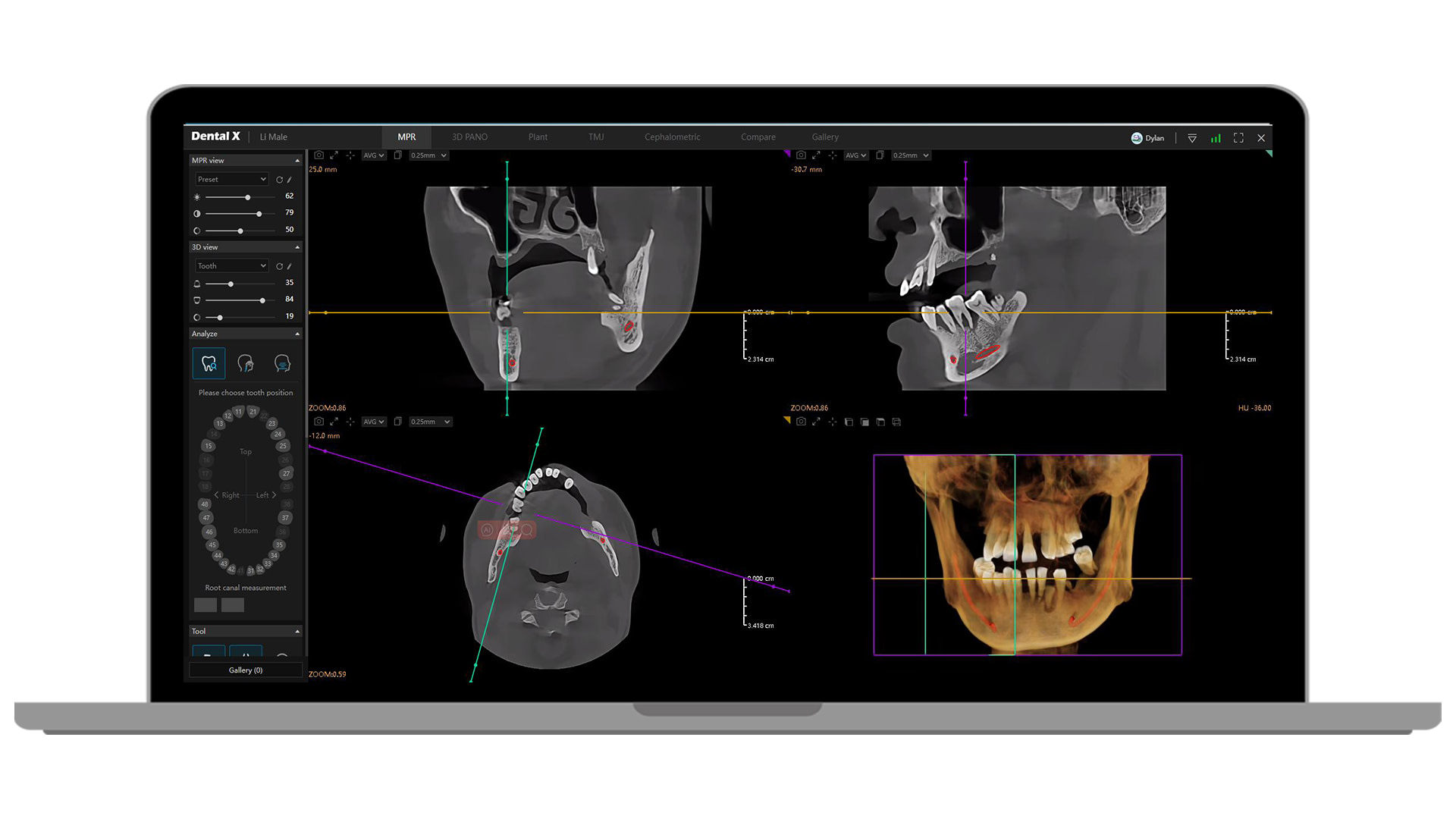
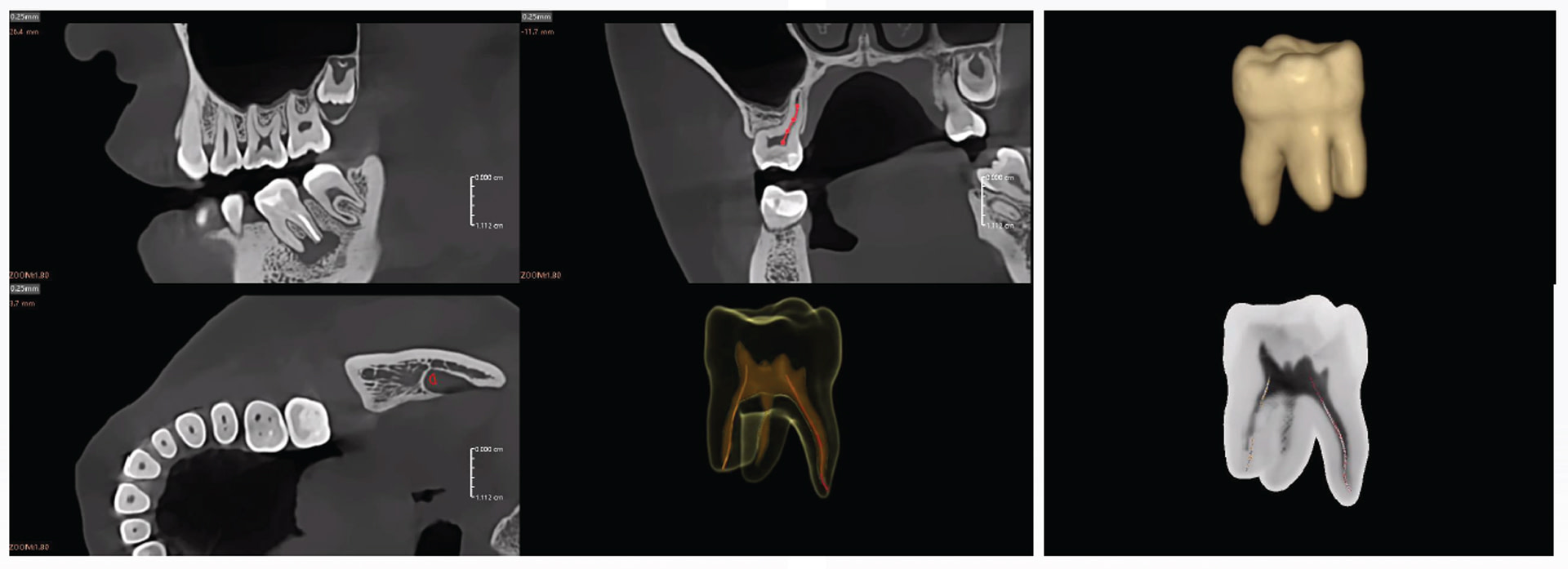
Tooth-by-tooth visualisation for endodontists. You click a tooth number and the AI isolates that tooth from the surrounding bone, showing root canals, external surface, and internal structure in a separable 3D view.
Automatic airway analysis with volumetric measurement and cross-sectional area at the narrowest point. Useful for OSA screening discussions.
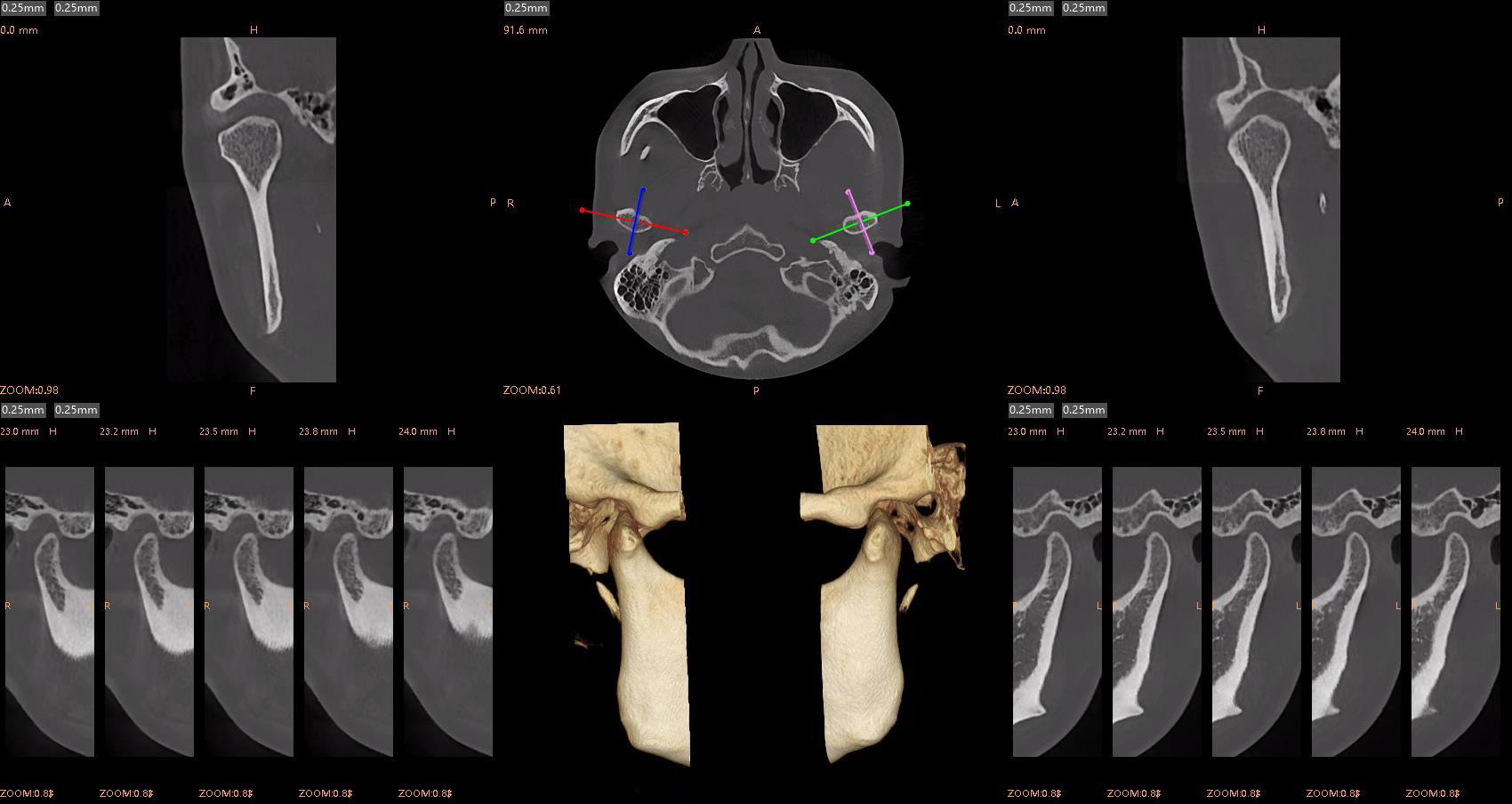
TMJ segmentation and analysis with distance and density measurement tools.
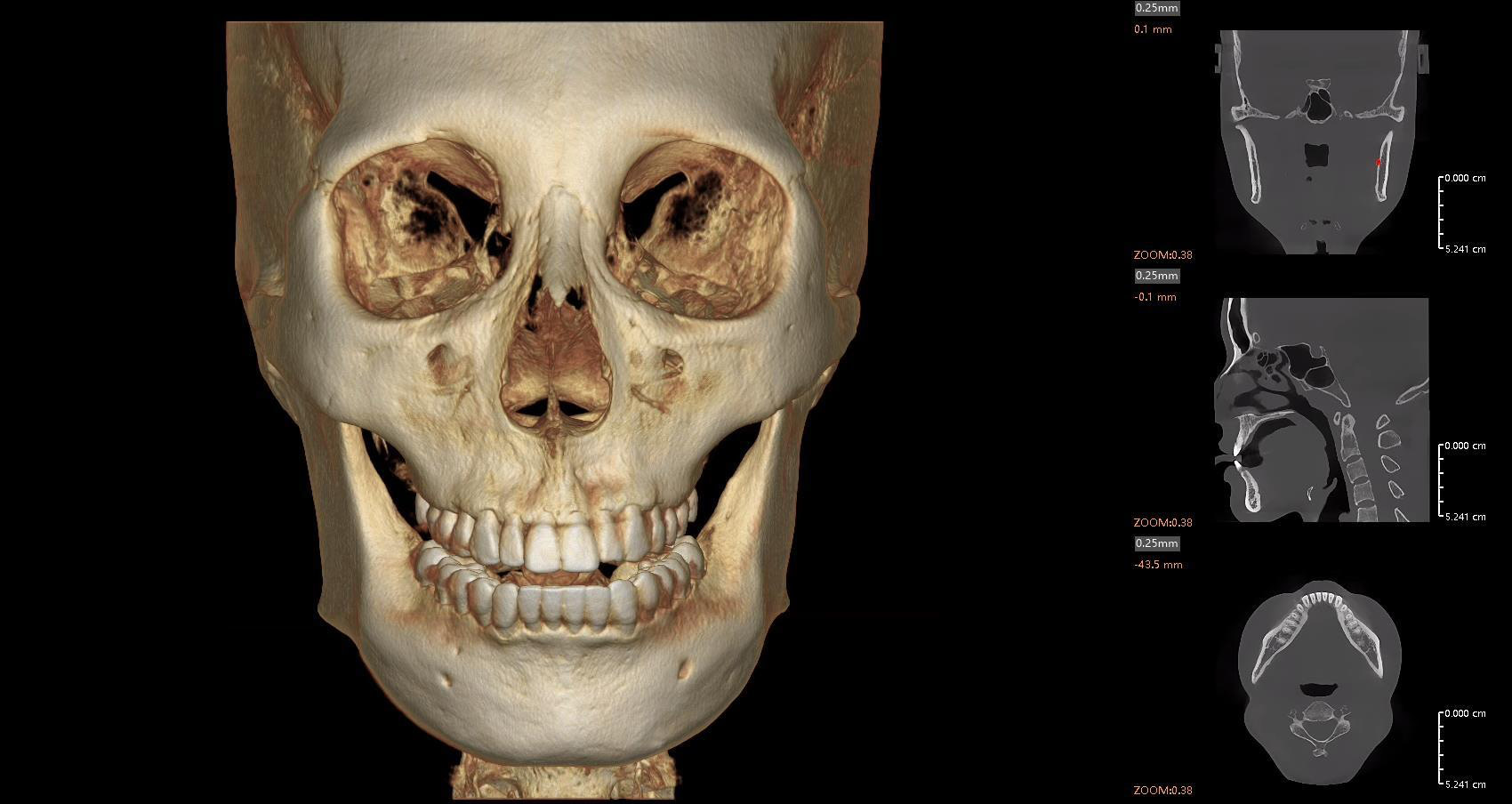
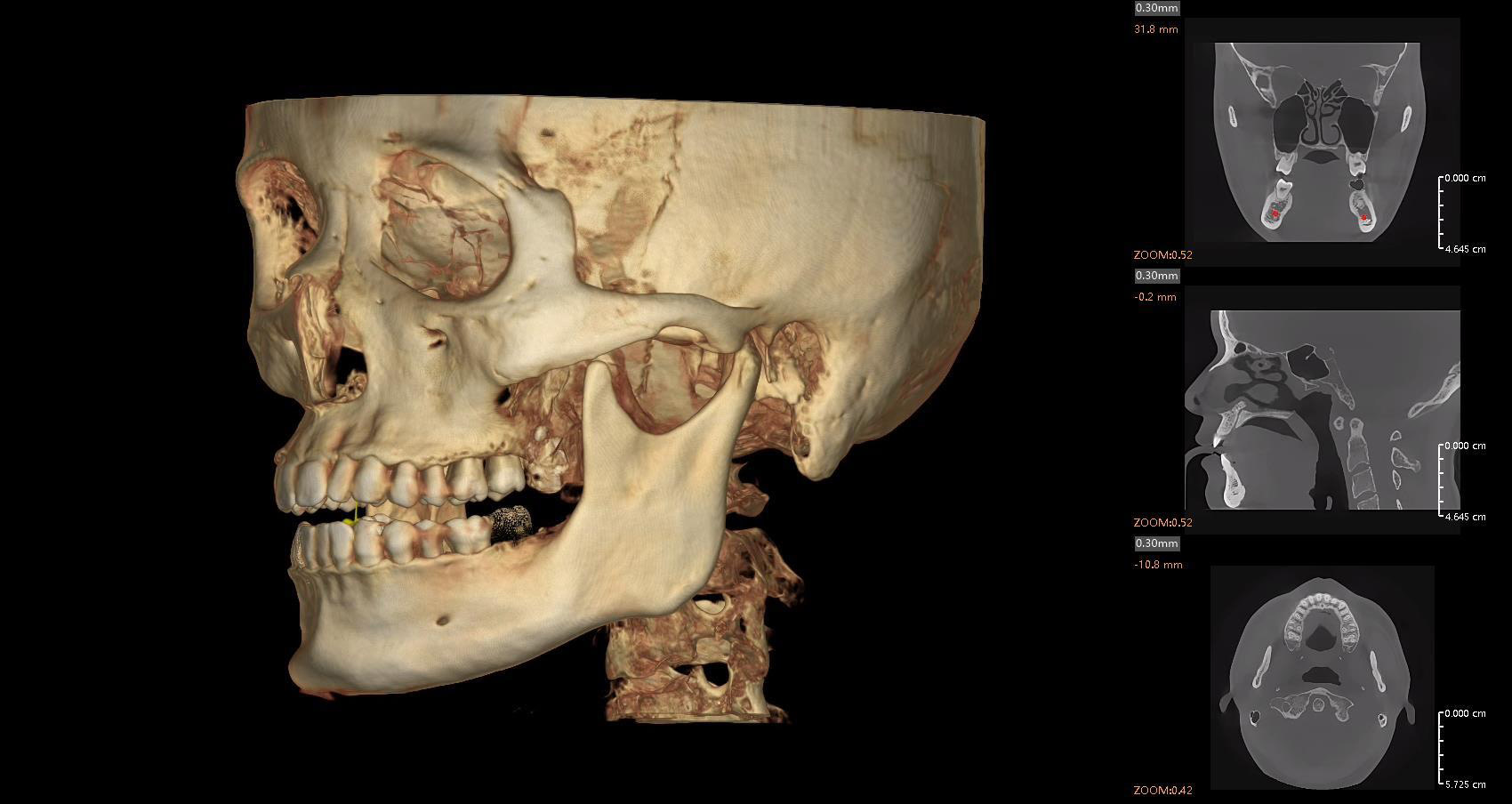
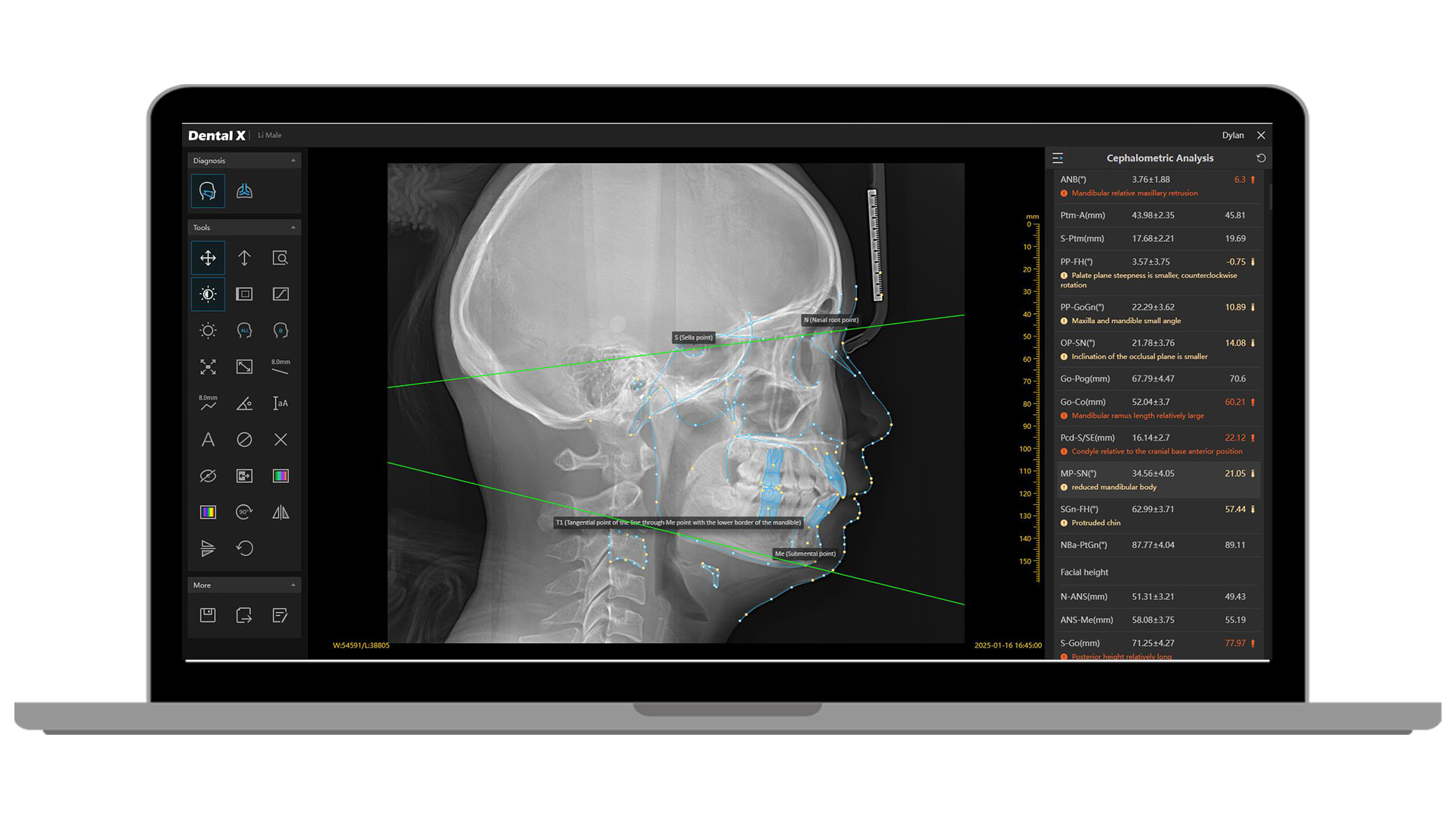
Automated ceph tracing with 15 measurement protocols (Steiner, Downs, McNamara, etc).
One-click case link sharing for colleague consultation or troubleshooting with Fussen's R&D team.
The pricing question - free until 2027, then what?
Here is where things get interesting, and where I want to make sure you are walking in with eyes open.
Currently, all AI features on Dental X 2.0 are free to users. The cloud storage is unlimited and free. The product manager, Mia, explicitly told me, "I can give you my promise, we will be free until 2027." After that, Fussen plans to start charging for advanced AI features (automated crown design, automated surgical guide design, STL export) and likely cloud storage. Basic AI tools (segmentation, model builder, basic reports) are expected to remain free.
In summary, DentalX will remain free to use until the end of 2027 and will introduce a monthly subscription model starting in 2028.
Fussen has not finalized pricing, and it is likely to vary by market. Compare this to Diagnocat, where you pay a clear per-case or subscription fee but know exactly what you are getting. Or to Dentsply Sirona's DS Core platform, which also bundles AI tools into a subscription model. Fussen's approach is more generous in the short term but less predictable in the medium term.
My take: if you are considering Fussen specifically for AI features, budget for future subscription costs rather than assuming current terms will persist. If you are buying primarily for the hardware, the AI is a bonus until 2027 and a question mark after.
How Fussen compares in the market
For context on where Fussen sits in the broader CBCT landscape. At the premium end, you have Planmeca Viso and Carestream CS 9600, both in the USD 120,000 to 200,000+ range depending on configuration, with mature software ecosystems, extensive peer-reviewed validation, and established service networks.
At the mid-range, you have Vatech Green, Morita Veraviewepocs 3D, and NewTom, generally USD 60,000 to 120,000, with varying software maturity.
Fussen's D50 is currently listed by some European distributors from approximately €35,000, putting it at the accessible end of the market. Rubik X pricing has not been publicly disclosed and will vary by region and configuration, but based on Fussen's positioning, I would expect it to land below the premium Western brands while offering comparable spec sheets and an arguably more developed cloud AI ecosystem.
The question becomes, what are you actually getting for the lower price, and where are the trade-offs? Based on what I have seen so far.
What you get. Competitive hardware specifications on paper (120 kV generator, 50 μm voxel, 5-in-1 modular design), a cloud platform that is genuinely feature-rich, an open architecture that accepts third-party data, CE and FDA clearance, and AI tools that are free in the short term.
What is less certain. Long-term software pricing, service and support quality in smaller markets, peer-reviewed validation of AI diagnostic accuracy, distributor presence in your region, and the reliability track record over three to five years of clinical use (the Rubik X has only been in the market a few months).

Final thoughts
Fussen is doing something interesting, and I think it is worth keeping an eye on. The Rubik X launch, combined with Dental X 2.0, represents a serious attempt by a Chinese manufacturer to compete on software sophistication, not just hardware. The cloud-first, AI-integrated, open-platform approach is the right strategic direction and, in some ways, more modern than what some established competitors offer.
That said, the true test of any AI platform comes in daily clinical use, where messy real-world data looks very different from a scripted demonstration. Peer-reviewed validation matters. Service and support networks matter. And pricing clarity beyond 2027 is something the company will need to nail down for buyers making long-term equipment decisions.
I am genuinely interested to see how Dental X 2.0 performs at scale. If you are already using a Fussen CBCT or have clinical experience with Dental X, I would genuinely like to hear from you. Your real-world feedback is more valuable than any product demonstration.
Thanks for reading. If you have any questions, please leave them below.