
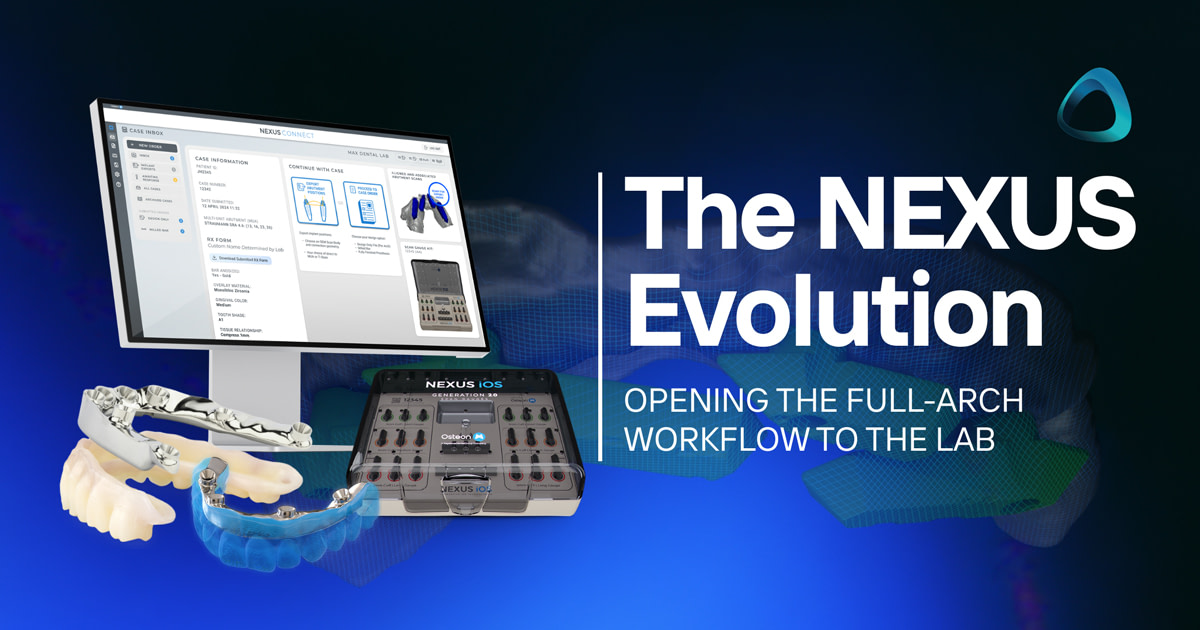

The digital full-arch landscape has changed dramatically over the past few years.
Intraoral scanners have improved, digital workflows have matured, and clinicians now have more options than ever to capture implant positions and deliver full-arch restorations. At the same time, photogrammetry's once-dominant position has been challenged by a growing number of horizontal scanbody workflows.
Yet despite all this innovation, one challenge remains at the center of full-arch treatment: predictability.
Capturing implant positions is only one part of the equation. Turning that data into a passive-fitting restoration requires accuracy throughout the entire workflow. From scan acquisition and validation through to design, manufacturing, and final delivery.
That is where Osteon Medical built its reputation. Long before digital full-arch workflows became mainstream, Osteon was focused on solving the restorative challenges that exist beyond scan capture alone. The company was one of the pioneers of horizontal scan gauge technology and, with the launch of Nexus iOS in 2020, introduced one of the industry's earliest dedicated digital full-arch workflows. Their milling center is shown below. I visited their HQ back in 2023.
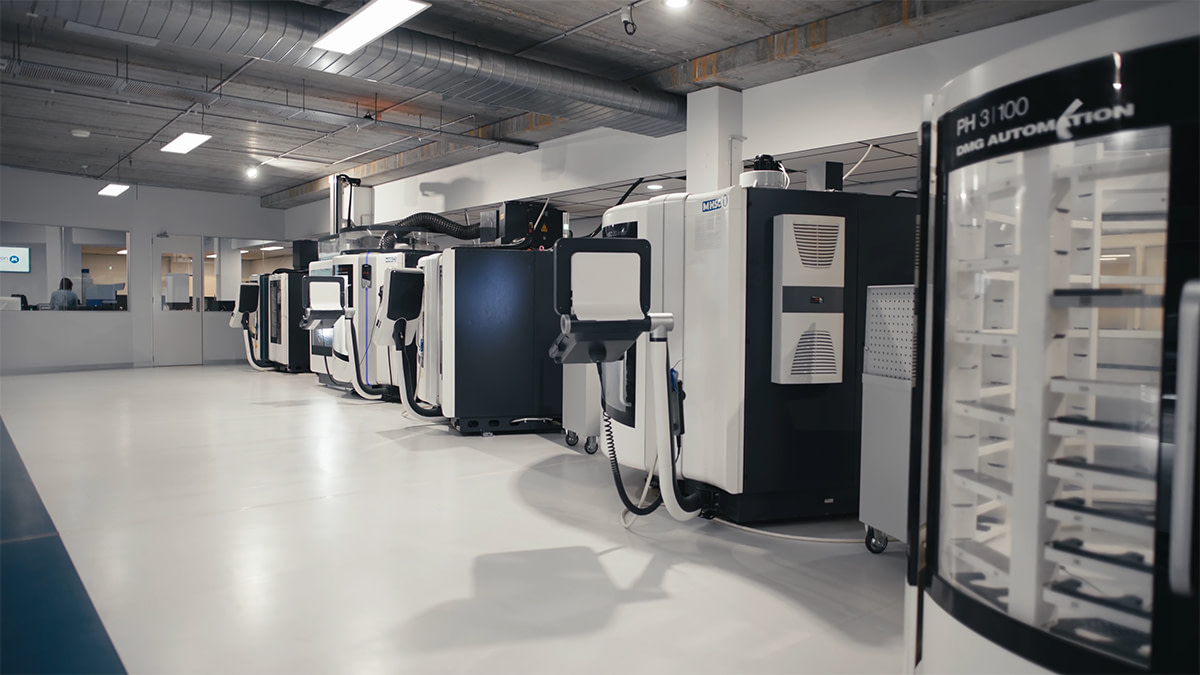
The Nexus IOS technology was innovative, but adoption faced two significant challenges:
1) First, Osteon had to convince clinicians and laboratories that the workflow could reliably deliver passive fit in an era dominated by verification jigs and, later, photogrammetry. Remember, this was 5 years ago.
2) Second, the system operated as a closed ecosystem.
If you wanted to use Nexus IOS, you also needed to use Osteon's manufacturing center in Australia. For some clinicians and laboratories, this was not a problem. In fact, Osteon's laboratory has built a strong reputation for full-arch restorations and bars. I personally used the service a few times while evaluating the workflow (read the overview here), and the results were consistently impressive.
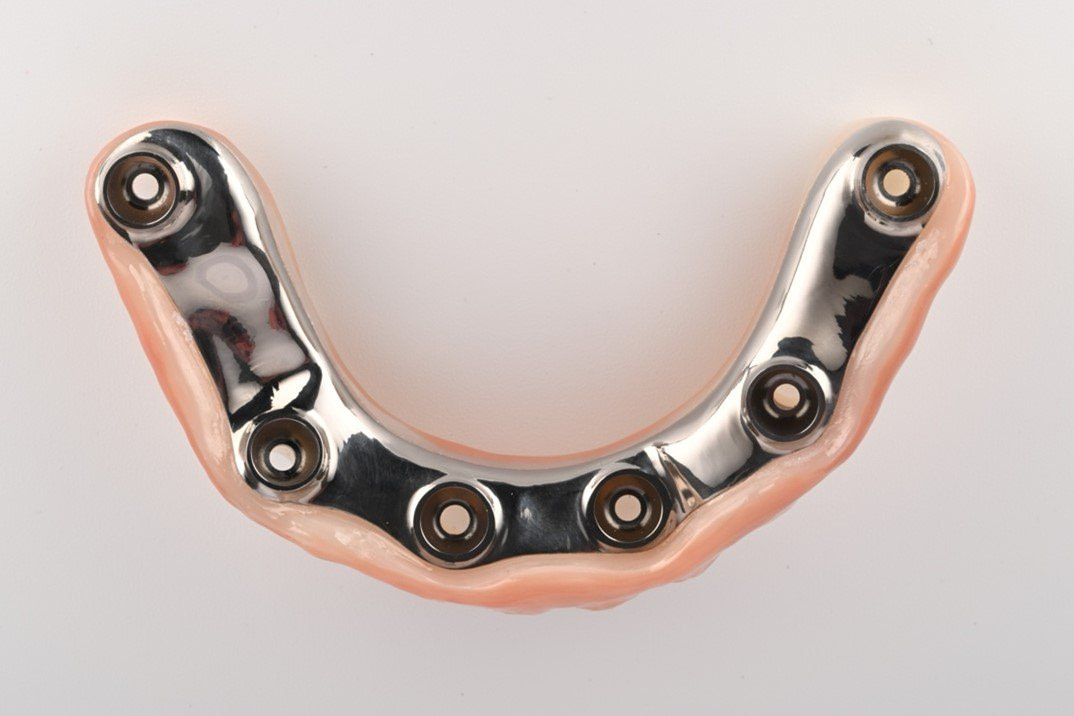
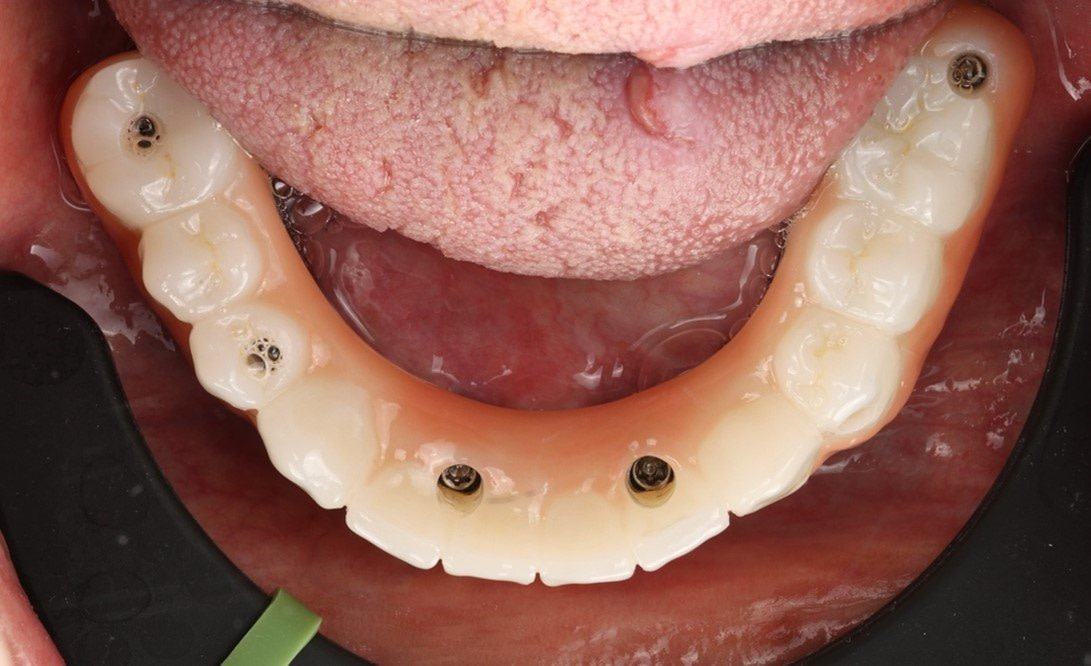
However, for clinicians with their own laboratory (like me) or those wanting complete control over production, being locked into their manufacturing center was a limitation. It was one of the reasons I ultimately purchased an iMetric ICAM4D instead.
That is now changing.

Know what’s next in dentistry. Before everyone else.
The innovations, clinical insights, and digital trends that matter - curated by iDD and delivered straight to your inbox every week.
Nexus Originally Operated as a Locked Ecosystem
According to the company, the original closed model was intentional. There were two main reasons behind the decision.
The first relates to calibration and validation. Each Nexus Scan Gauge Kit is linked to its own unique digital STL library. When a full-arch scan is submitted, the kit-specific digital files are merged with the scan data and validated through Osteon's workflow. This process was designed to ensure consistent interpretation of scan data and maintain accuracy across cases.
Similar to what many leading horizontal-scan body workflows now do these days within the scanner software itself.
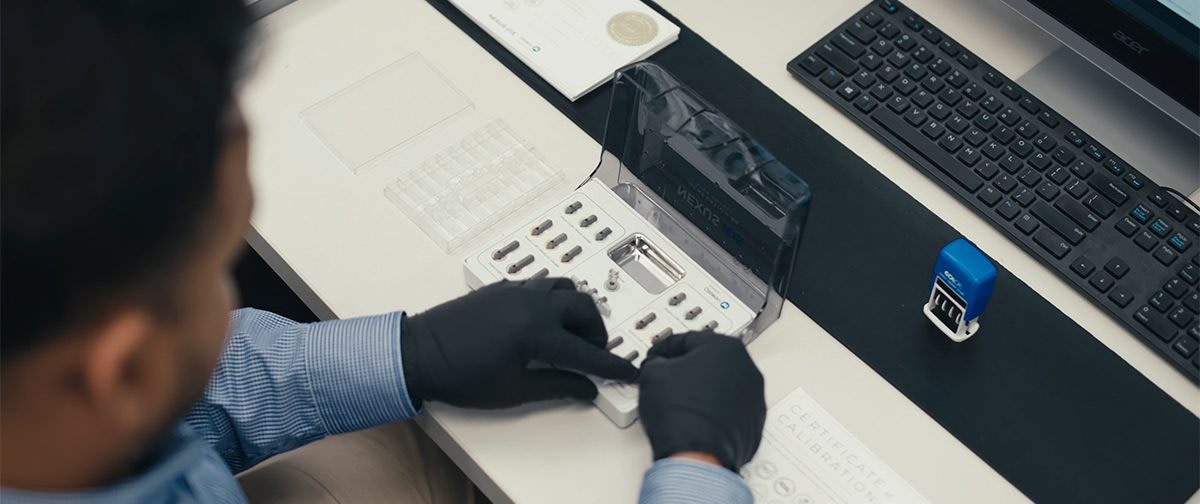
The second reason was manufacturing control. Osteon designed the framework and used a highly controlled 5-axis manufacturing process to preserve the precision captured during scanning through to final production. One of the strengths of the original Nexus workflow was that the company controlled every critical stage of the restorative process.
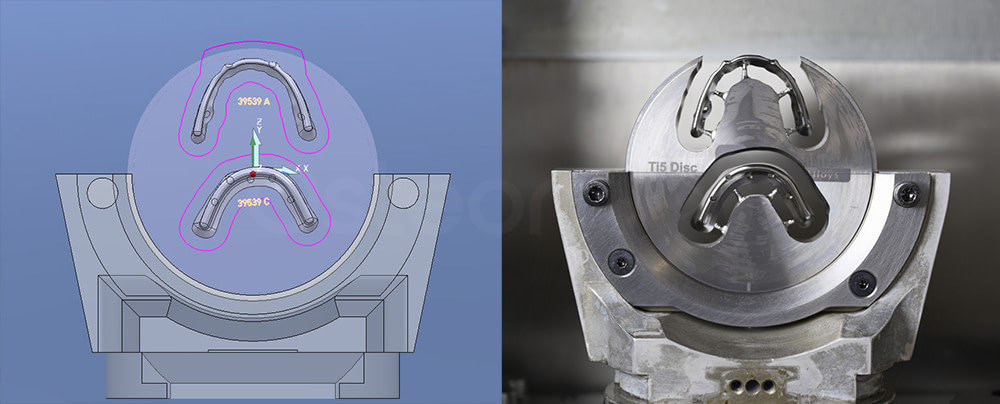
Confidence in the workflow came not from a single accurate scan but from the entire chain being engineered and validated as a single system. The challenge is that the market has evolved rapidly since.
Digital full-arch adoption has accelerated, and new workflows continue to emerge. Shining 3D's Elite IPG system has seen rapid adoption, while alternatives such as Alliedstar Direct IP, TruAbutment IO Connect, and numerous IOS-driven solutions have significantly expanded clinician choice.
As the market matured, Osteon Medical obviously felt the disruption happening. Some laboratories and clinicians still want access to Nexus IOS but without being tied to Osteon's manufacturing center.
Nexus Connect Lab - An Open Platform Approach
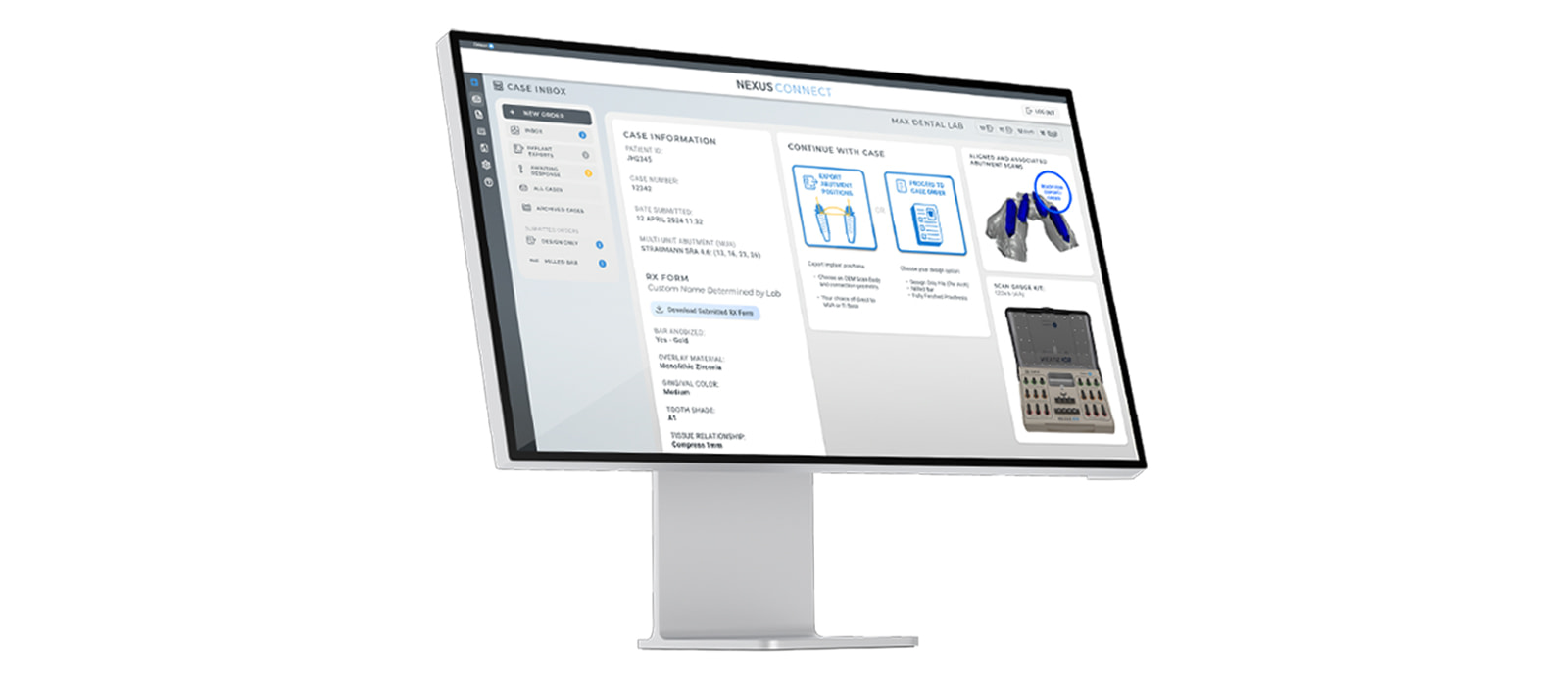
Nexus Connect Lab represents a shift in direction for the company. Nexus iOS started as a clinical workflow tool. A horizontal scan body kit to capture implant positions precisely.
Nexus Connect Lab is built as a software-first platform aimed at the lab side of the equation. The goal, the company says, wasn't simply to open the ecosystem. It was to make it more accessible without sacrificing the validation, engineering, and manufacturing discipline that the original platform relied on.
Nexus Connect Lab provides:
- Chairside scan validation
- Scan Gauge Kit library association
- Digital case intake and management
- Access to Osteon's design and manufacturing infrastructure
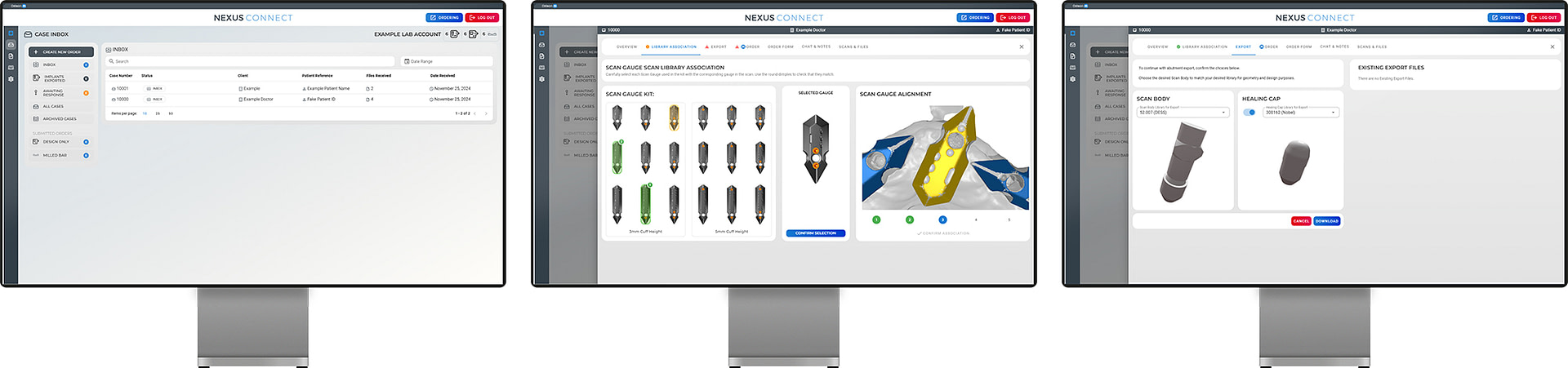
The result is a connected pathway linking clinic, laboratory, design, and advanced manufacturing.
For laboratories already operating at a high digital level, Nexus Connect Lab offers a more streamlined and validated workflow. For developing laboratories, it lowers the barrier to entry into complex full-arch restorations without requiring investment in extensive internal infrastructure. Laboratories can also continue to leverage Osteon's design and manufacturing services where required.
Why This Matters
Many digital workflows today focus primarily on scan acquisition and file transfer. But in full-arch dentistry, scan capture is only the beginning.
Even when surgery and implant capture are successful, multiple factors can compromise restorative outcomes:
- Missing scan data
- Tolerance stacking
- Manufacturing inconsistencies
- Communication gaps between the clinic and the laboratory
In many digital workflows, responsibility effectively ends once the scan has been captured. Nexus Connect Lab is built around what happens after that.
The platform attempts to connect validation, design, communication, engineering, and manufacturing into a single ecosystem. Whether that ultimately results in more predictable outcomes remains to be seen, but the philosophy behind the platform is notably different from workflows that focus exclusively on implant position capture.
For clinicians, this may mean greater confidence in treating complex full-arch cases. For laboratories, it provides a more structured route into advanced restorative workflows.
Know what’s next in dentistry. Before everyone else.
The innovations, clinical insights, and digital trends that matter - curated by iDD and delivered straight to your inbox every week.
The Conversation Is Changing
The launch of Nexus Connect Lab comes at a particularly interesting time for the digital full-arch market, as the conversation itself appears to be shifting.
For much of the past five years, the industry has focused on a relatively straightforward question: who can accurately capture implant positions to support a passive-fitting restoration? That question drove the rise of photogrammetry, horizontal-scan body systems, and the growing number of implant-capture solutions now available across the market.
Today, however, implant capture is becoming increasingly commoditized. Multiple technologies are capable of producing accurate results, as evident by a growing body of literature, and the number of available workflows continues to expand. As a result, the more interesting question may no longer be who can capture implant positions, but who can deliver predictable restorative outcomes once those positions have been captured.
That distinction is important because capturing data and delivering a restoration are not the same thing.
Even in a fully digital workflow, accuracy can be lost due to validation errors, tolerance stacking, design decisions, manufacturing inconsistencies, or communication breakdowns between the clinic and the laboratory. As digital full-arch treatment becomes more widely adopted, these downstream challenges are likely to receive increasing attention.
This is where Nexus Connect Lab is attempting to differentiate itself. Unlike newer entrants to the category, Osteon's experience did not begin with implant capture. The company has been involved in full-arch design and manufacturing for many years and built its original Nexus workflow around the idea that restorative predictability depends on maintaining control and validation throughout the entire process, with an emphasis on workflow validation, restorative accuracy, laboratory integration, manufacturing precision, and ultimately the pursuit of predictable passive fit.
Whether these priorities become the defining characteristics of next-generation full-arch workflows or remain a more niche approach is difficult to predict. What is clear, however, is that Osteon is trying to claw back market share from many of its competitors. Rather than positioning implant capture as the primary challenge, it is positioning restorative execution as the challenge that still needs to be solved.
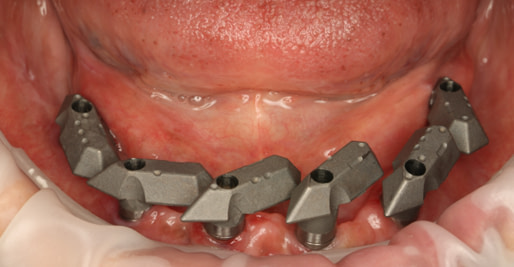
Can Nexus IOS Regain Momentum - is it too late?
This launch is notable for representing a significant strategic shift for the company. Market pressure.
One of the most common criticisms of the original Nexus ecosystem was that it required users to use Osteon's manufacturing pathway - this was my issue with it, too. While that level of control undoubtedly contributed to consistency, it also limited adoption among laboratories that had already invested heavily in their own digital infrastructure.
By introducing Nexus Connect Lab, Osteon appears to be acknowledging that the market has moved on and increasingly values flexibility alongside validation.
In many respects, the company is now attempting to occupy a middle ground between two competing philosophies. On one side are fully closed ecosystems, where every stage of the workflow is tightly controlled. These don't seem to work in the market anymore.
On the other hand, completely open workflows prioritize interoperability above all else. Nexus Connect Lab appears to be seeking a balance between the two: opening access to laboratories while maintaining many of the engineering and manufacturing principles that originally defined the platform.
The reality is that the market Nexus is entering today is far more competitive than the one it entered in 2020. Elite IPG has achieved significant adoption, alternative direct implant capture solutions continue to emerge, and many laboratories have already committed considerable resources to other workflows. Opening the ecosystem removes one of the biggest historical barriers to Nexus adoption, but it does not automatically guarantee market share.
At the same time, there is a reasonable argument that the industry may now be more receptive to Nexus' original philosophy than it was when the platform first launched. As digital full-arch workflows mature, laboratories and clinicians are increasingly discovering that capturing implant positions is only one part of the challenge. Delivering predictable outcomes repeatedly and at scale may prove to be the more difficult task.
Nexus Connect Lab is currently available in the United States, with European availability expected later in 2026 and additional regions planned thereafter.
Ultimately, the significance of this launch is not that Nexus has introduced a new way to capture implant positions. It is that the company is betting the next phase of digital full-arch dentistry will be defined by something else entirely: the ability to consistently transform accurate scans into predictable restorative outcomes.
Whether the market agrees is a question that only adoption will answer. Let me know your thoughts below.